
CONTENT
Satisfaction in the Non-Digital
Aljoya Thornton Place. 450 NE 100th St., Seattle (September 22, 2026 – January 17. 2027)
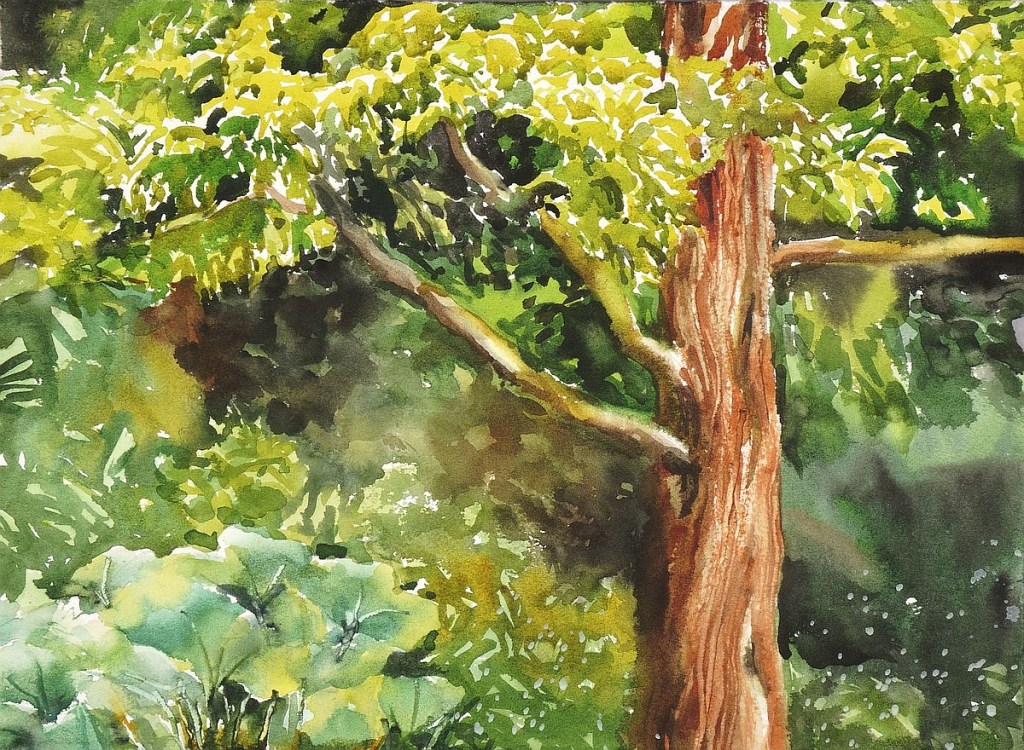
The word content has two main meanings. The first has to do with being pleased and satisfied (feeling content) or making someone else feel happy and at peace with things (contenting them). The other meaning has to do with subject matter: the content of a math class might be geometry. These days, it often refers to digital content. Posting on social media requires figuring out the written and visual content of the reel or post. These are small bites (bytes) of information – wonderful as they may be, they are fleeting and quite frankly soon forgotten. As a society we have grown accustomed to these quick flashes that move so swiftly alongside our lives, but I still prefer a longer gaze at things, especially when it comes to fine art.
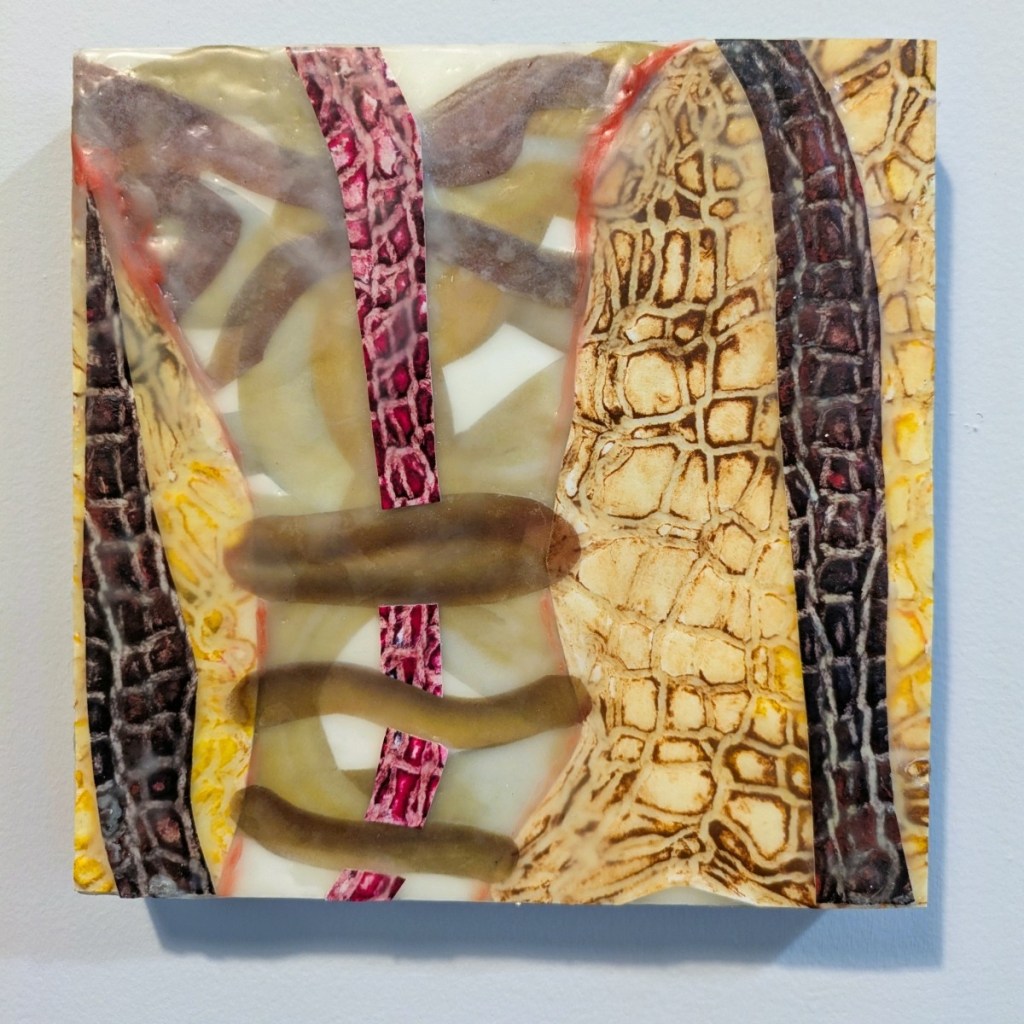
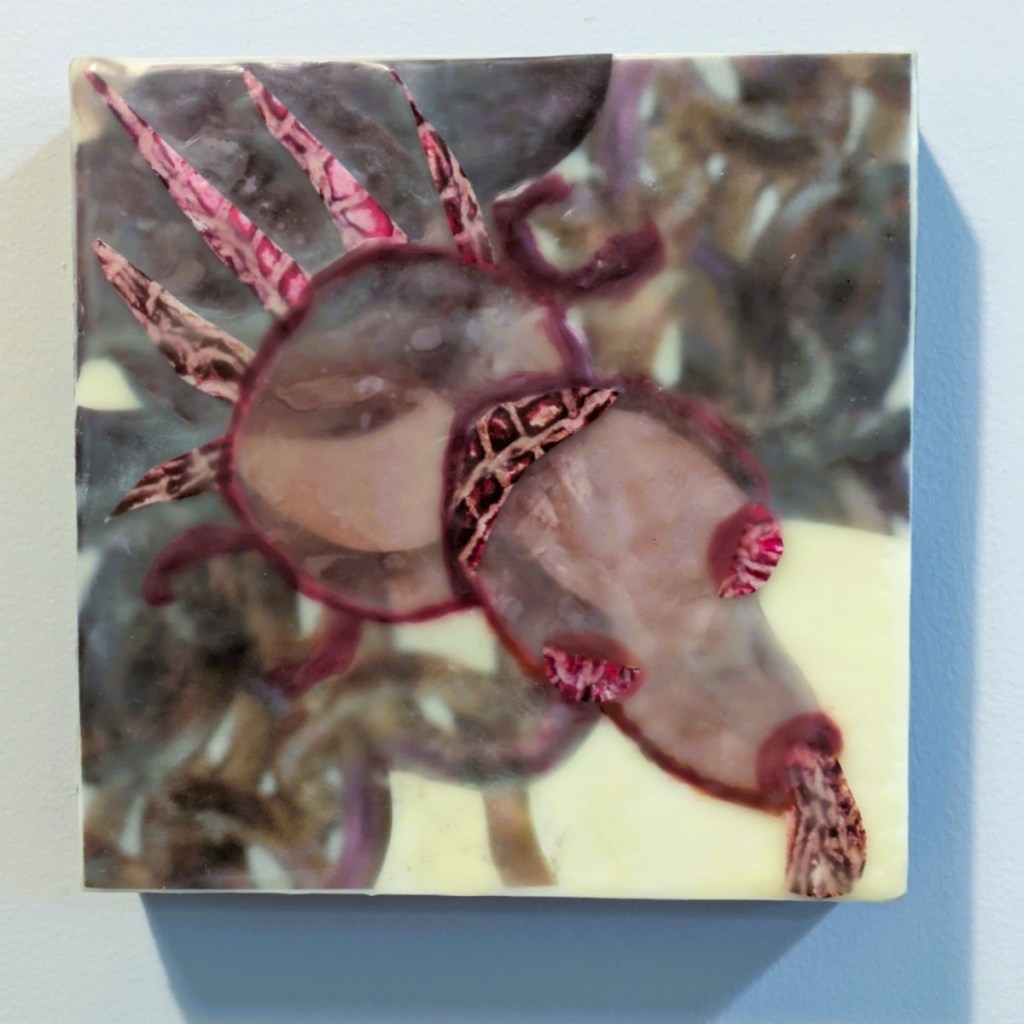
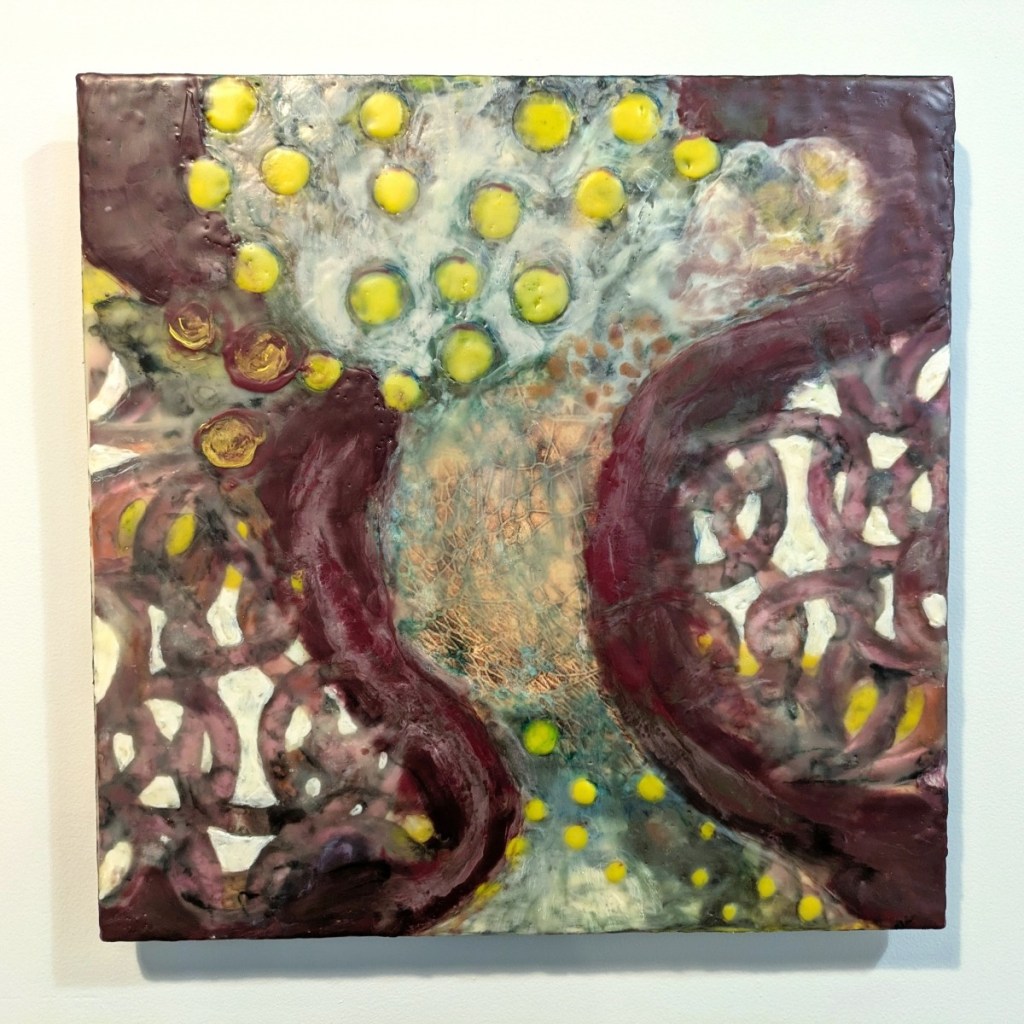
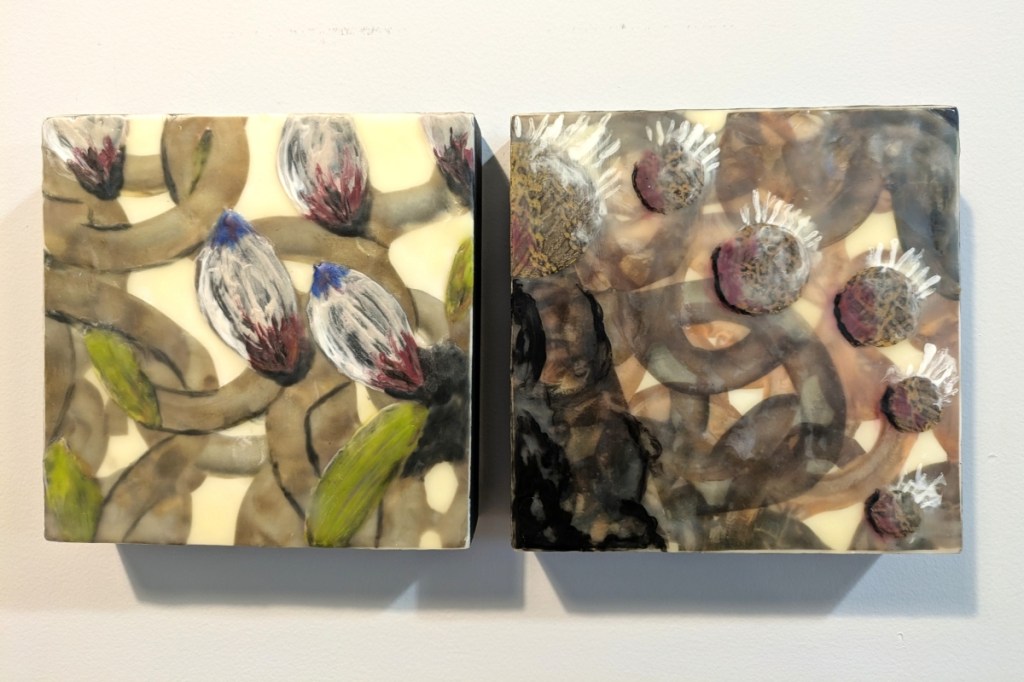
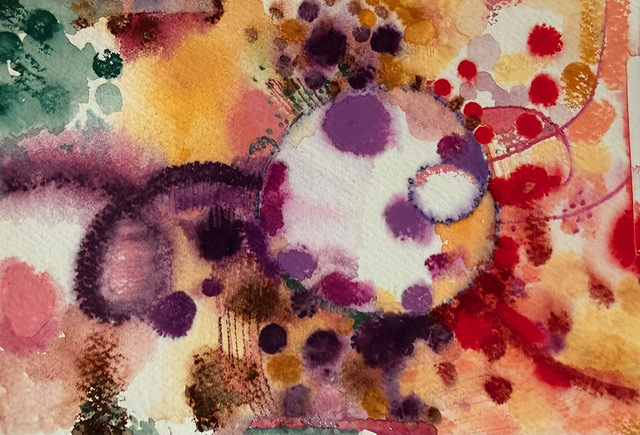
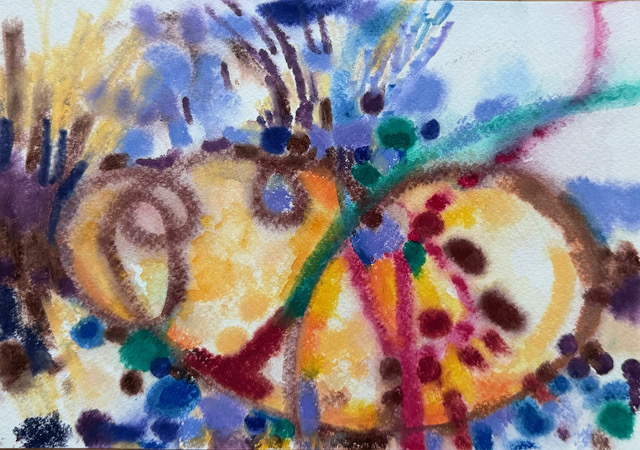
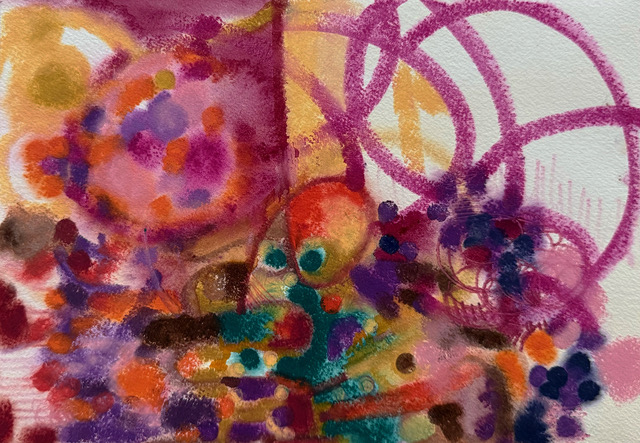
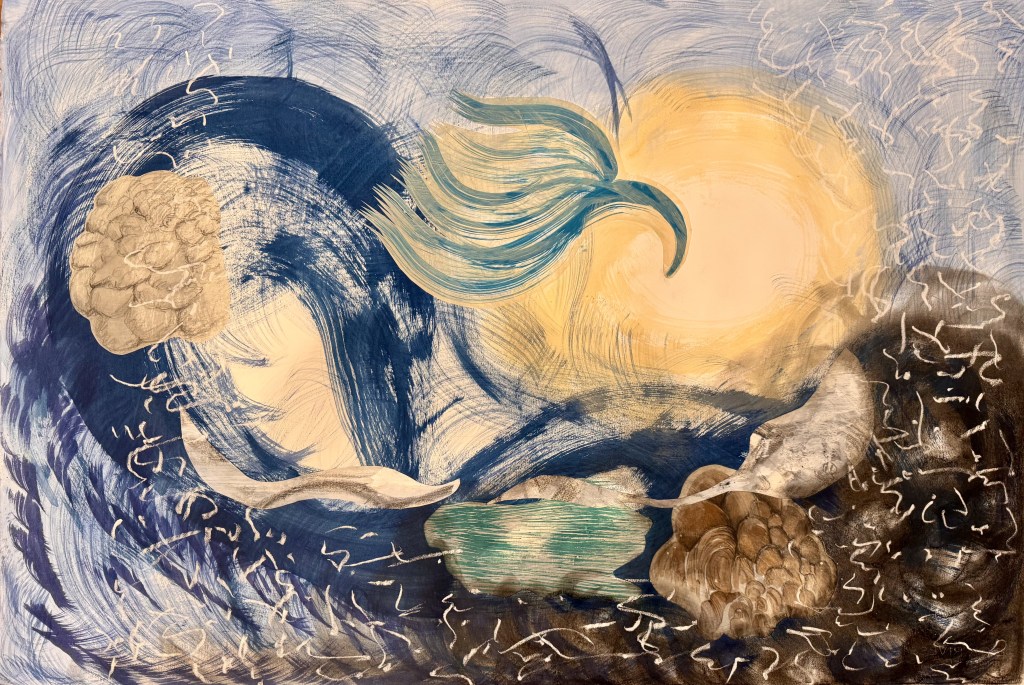
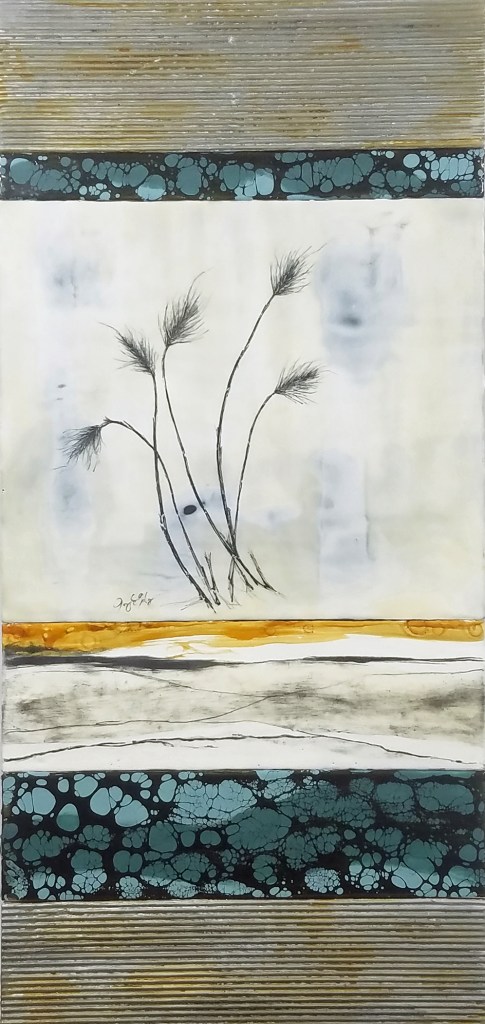
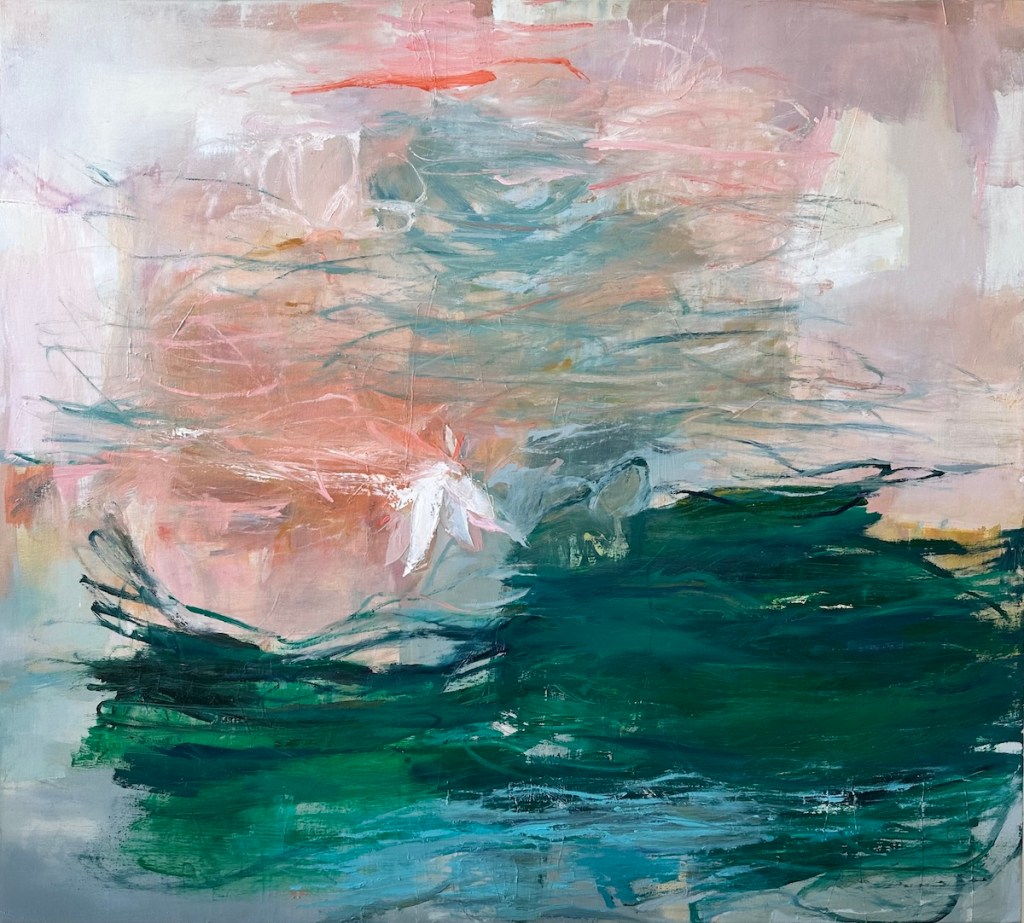
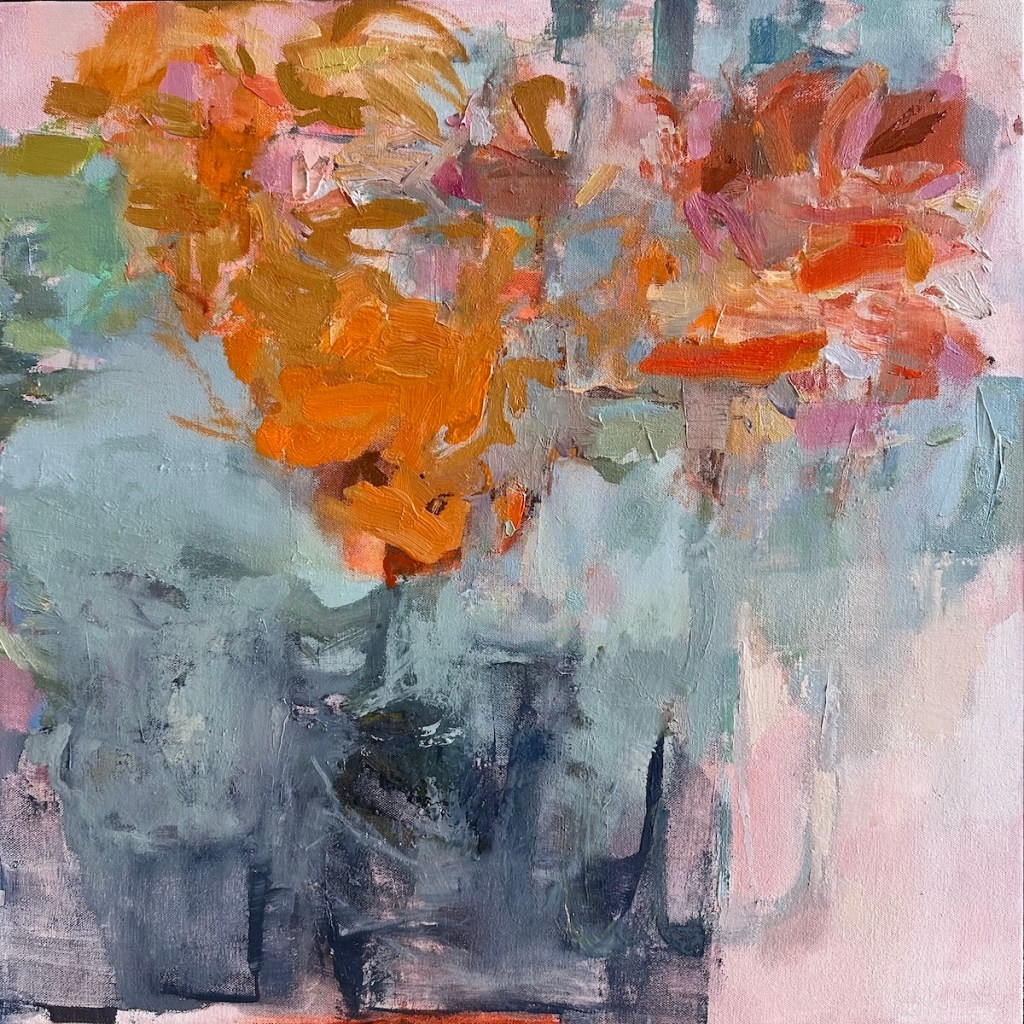
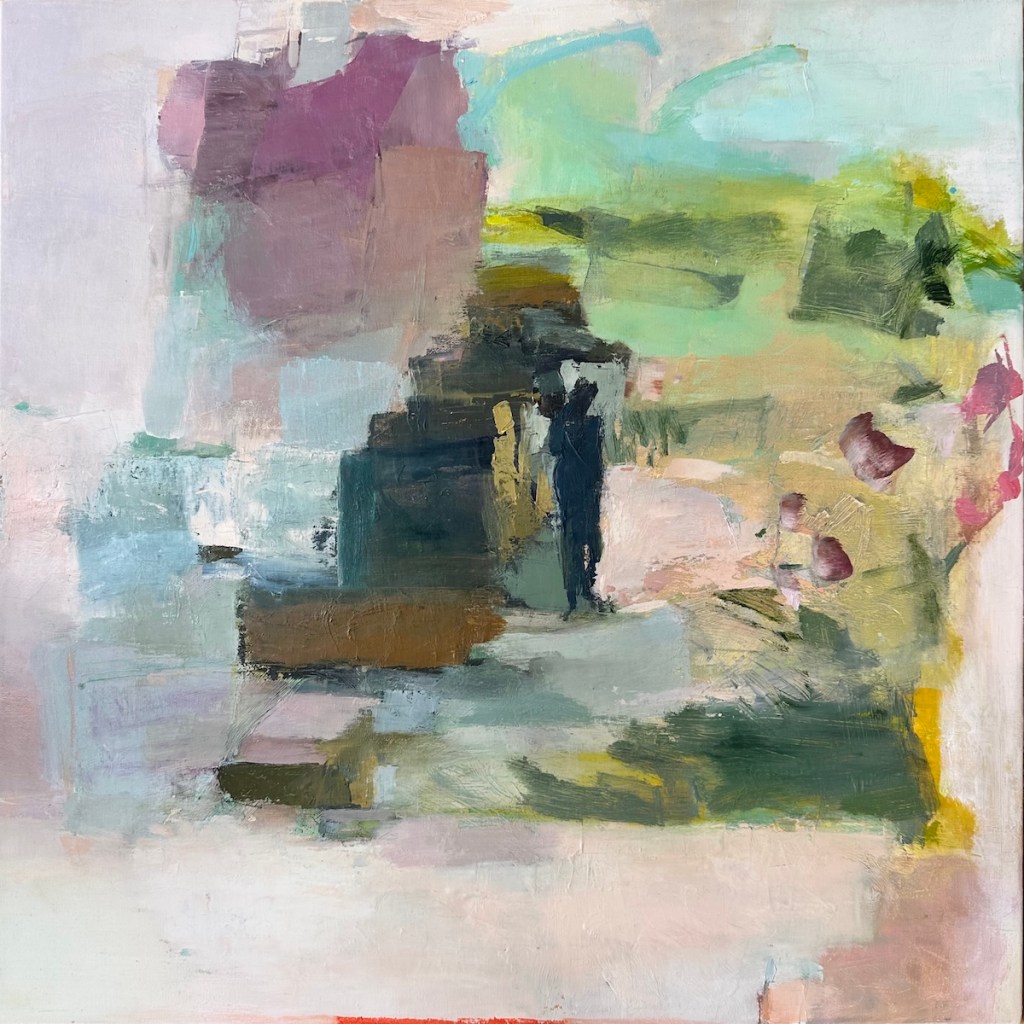
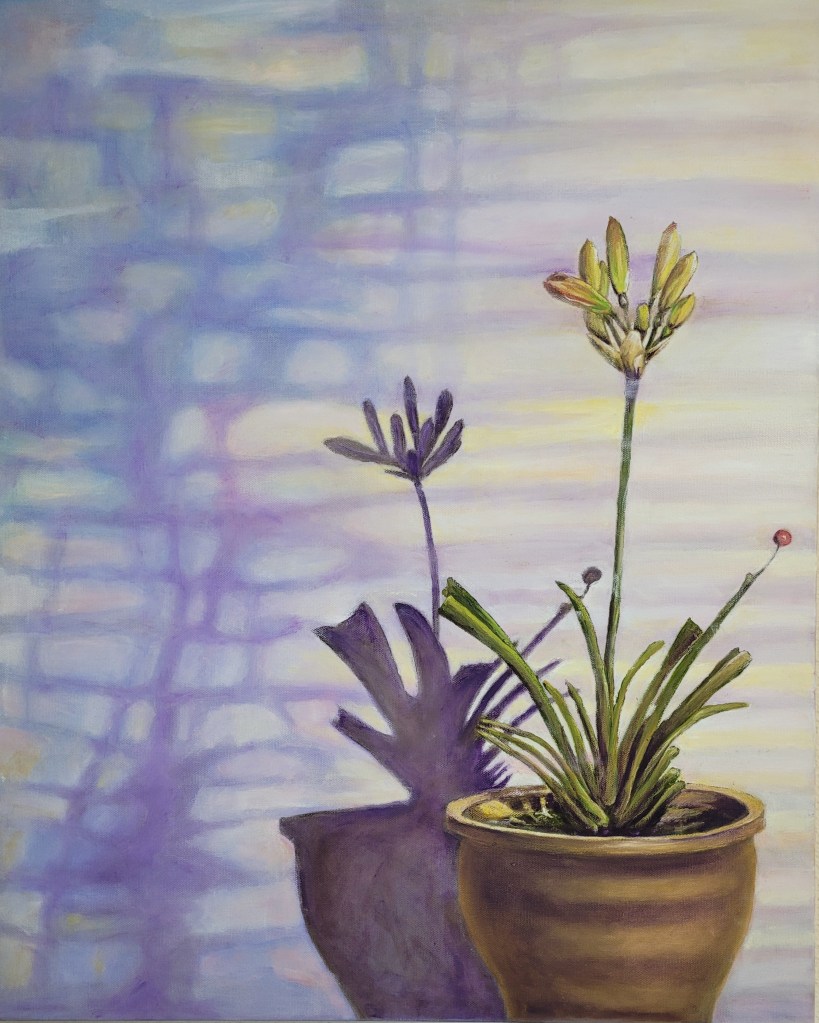
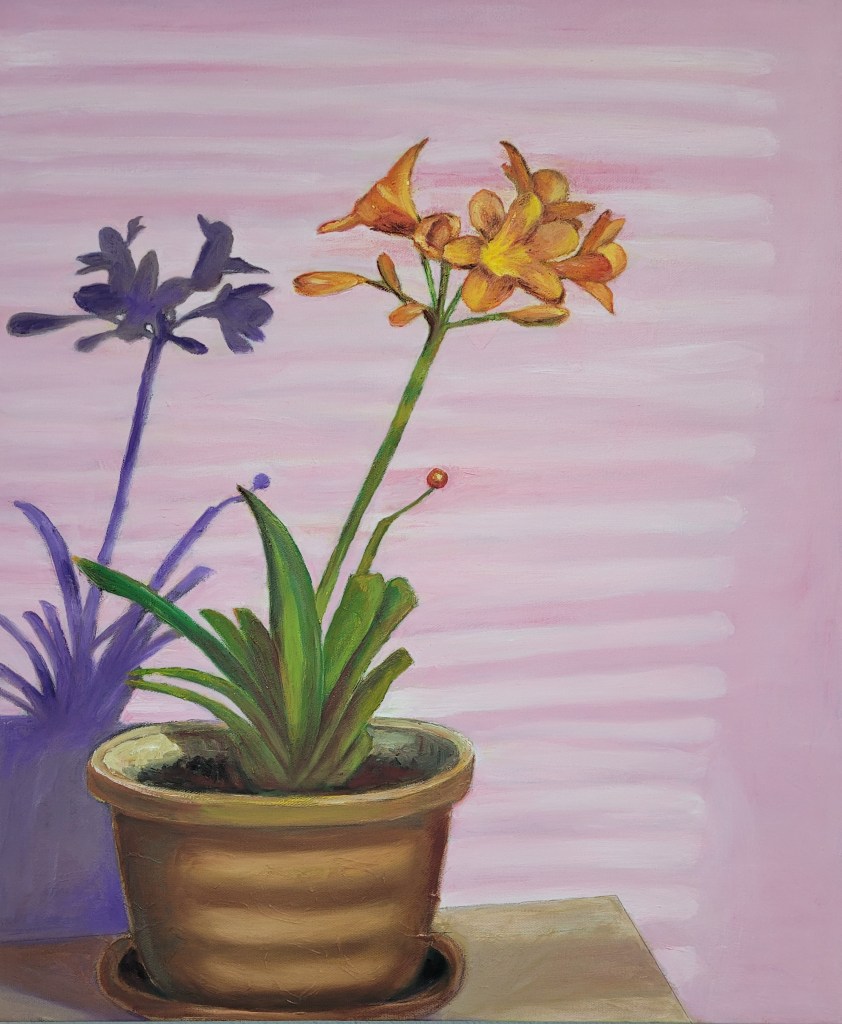
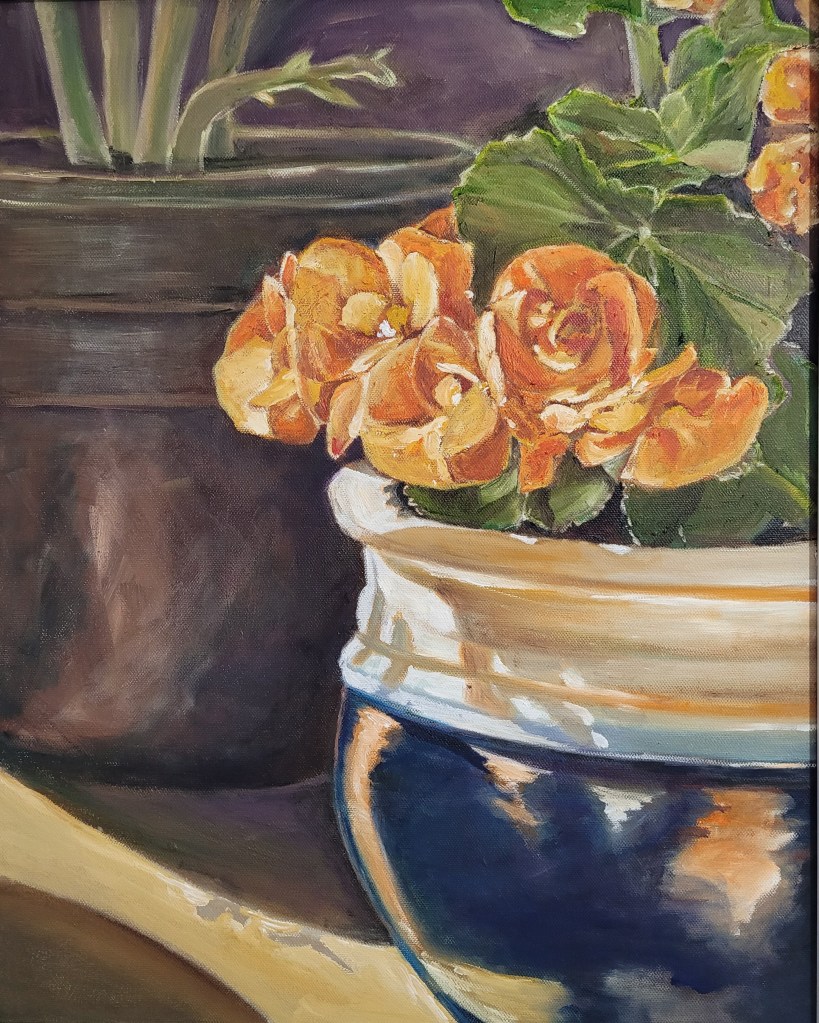
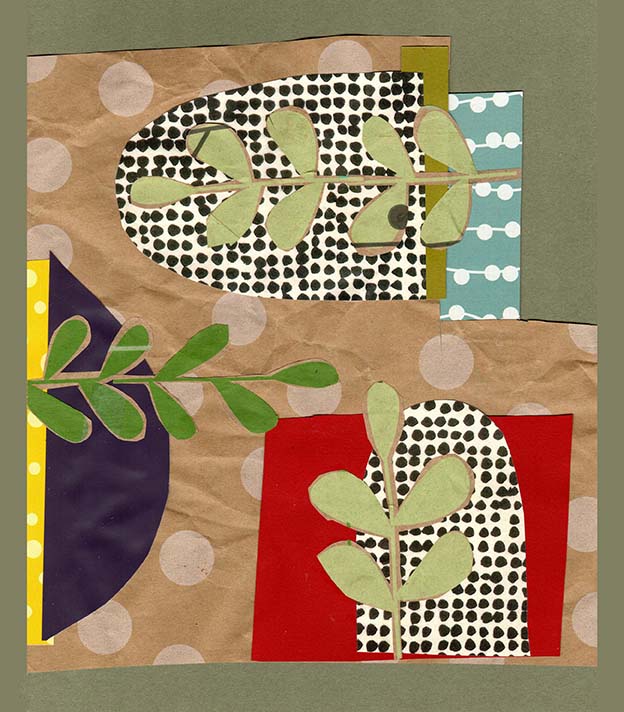
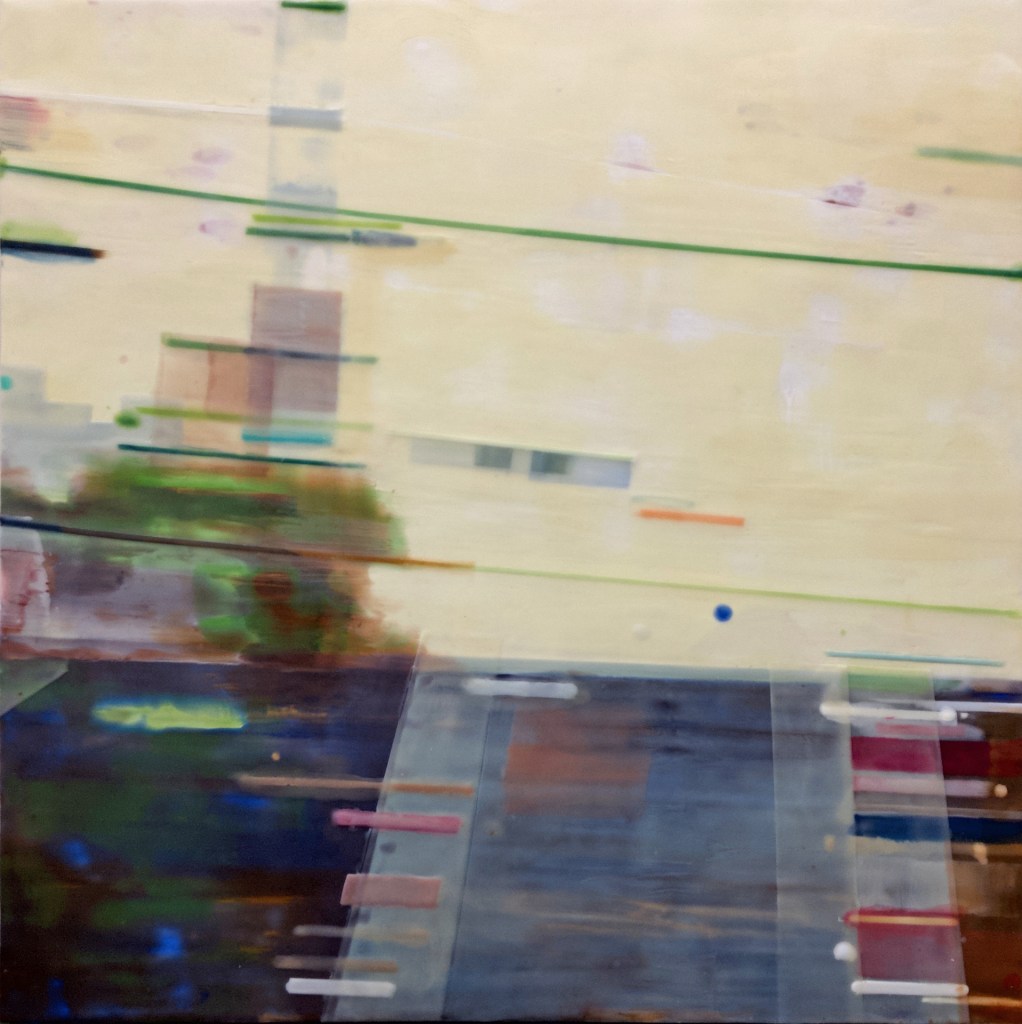
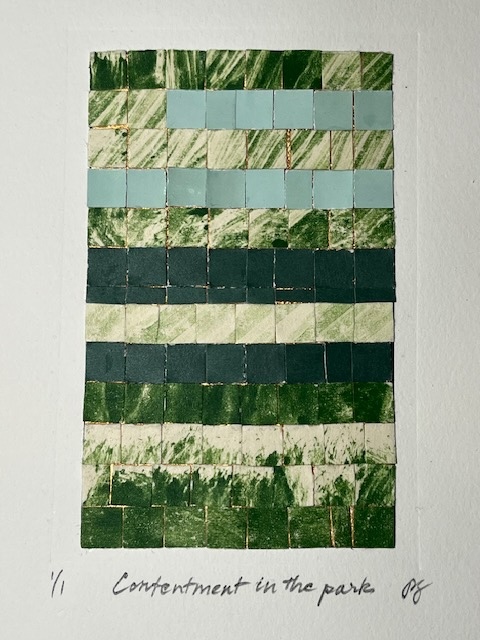
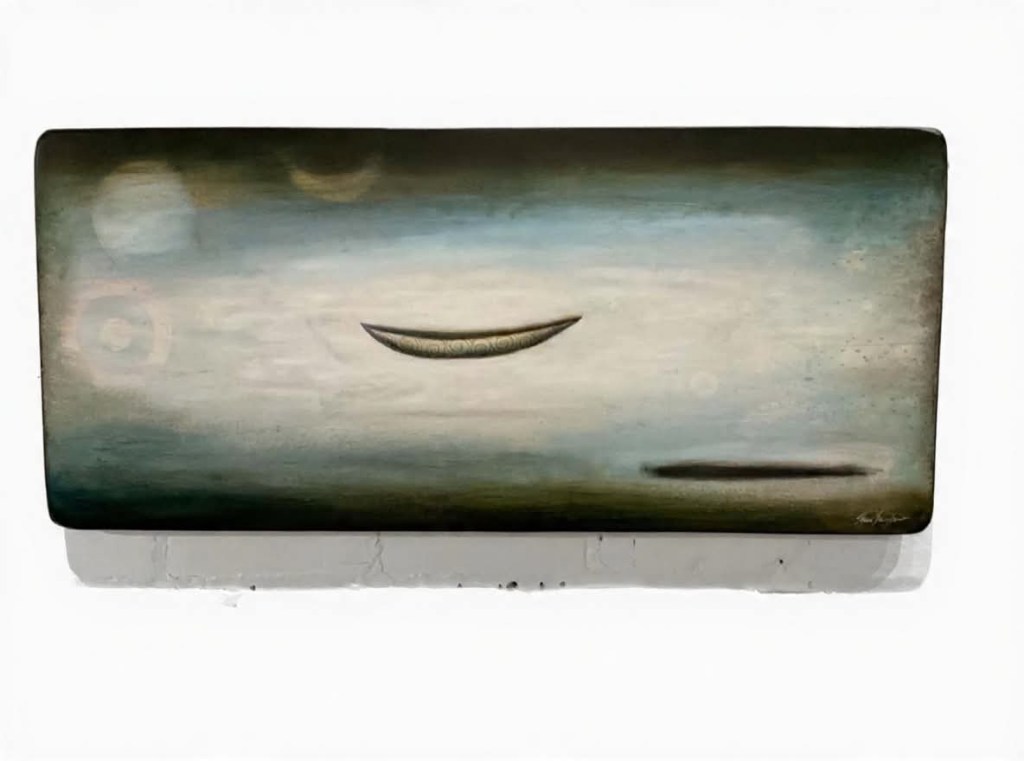
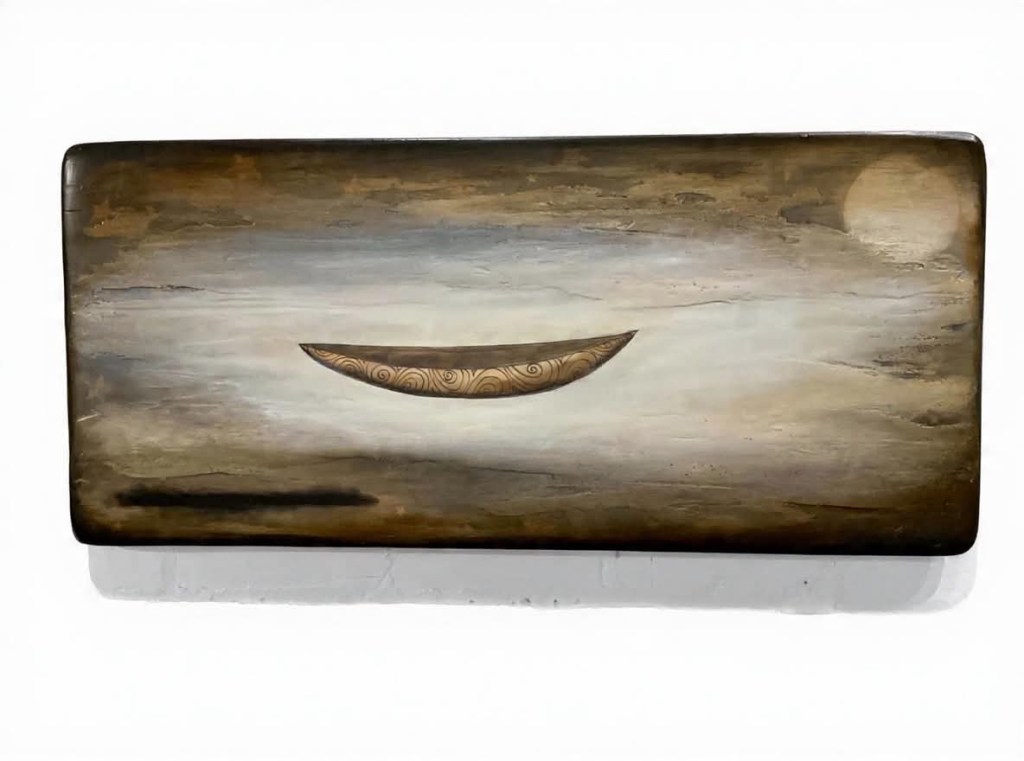
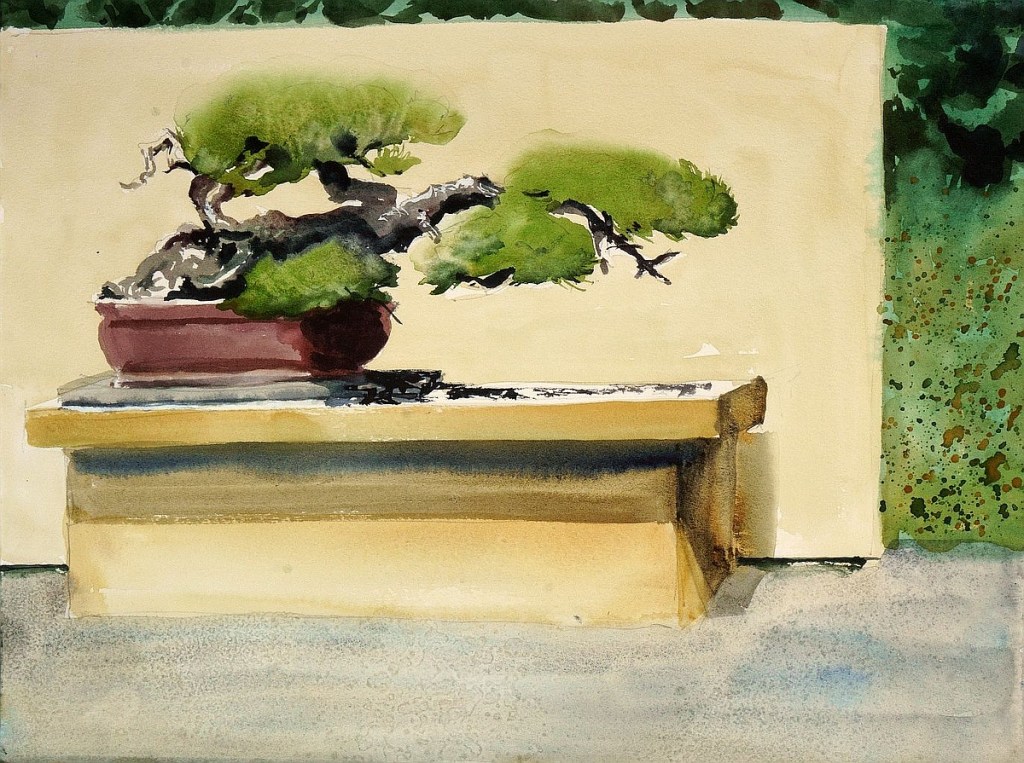
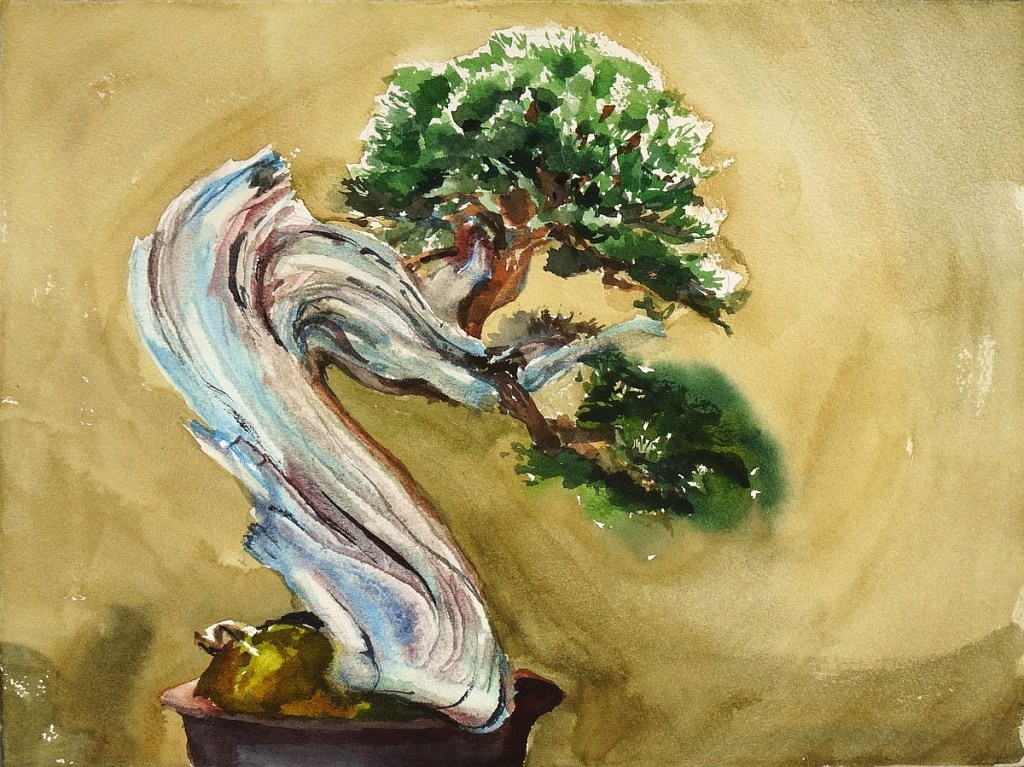
This exhibit invites you to spend time with the content of these artworks; to view them repeatedly even, as you consider both the subject matter as well as the contented feeling it might produce, and the feelings of satisfaction it brought the artist in creating it.
There is significance in slowing down and pondering a body of handmade artwork. It feels satisfying to counter the sound bites and digital content that floods us daily, and to wallow in the artistic content. The works in this exhibit were chosen to allow for that lengthy consideration we so rarely take the time for.
Enjoy the exhibition,
Stephanie Hargrave
Artist / Curator
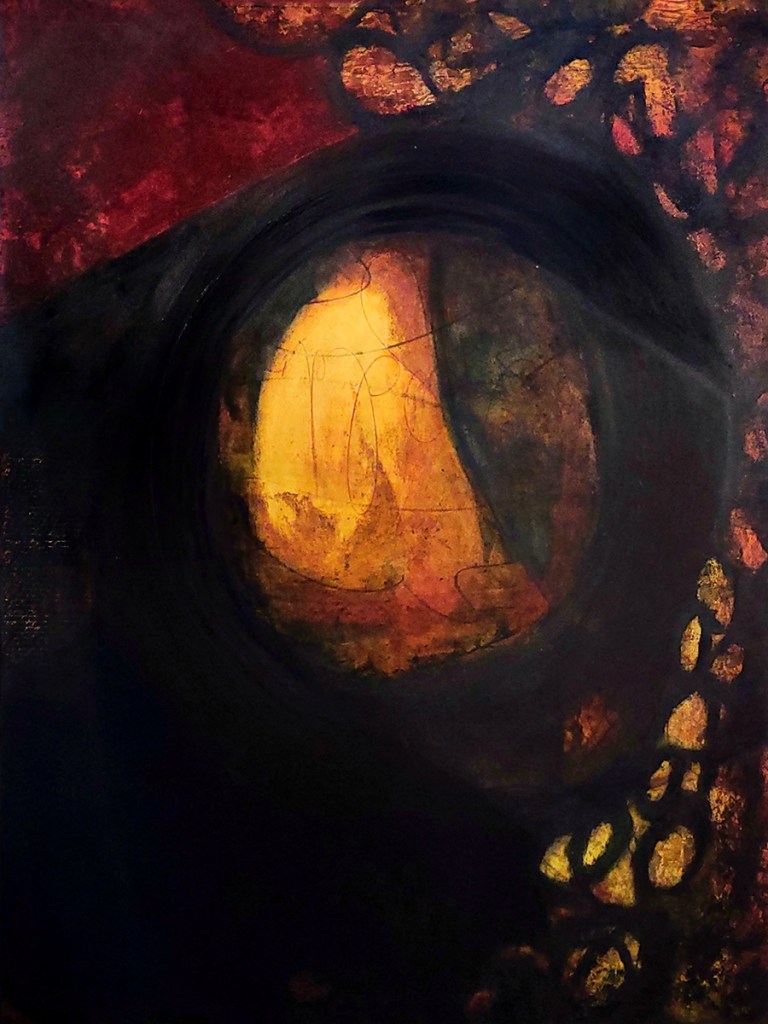
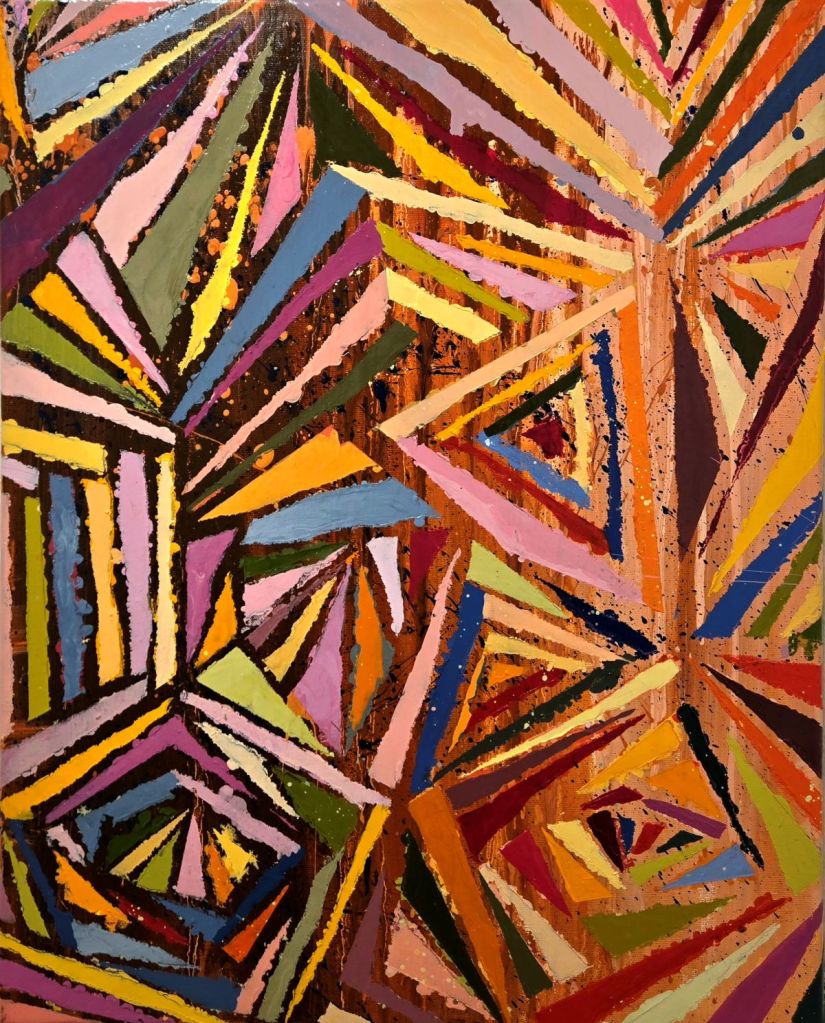
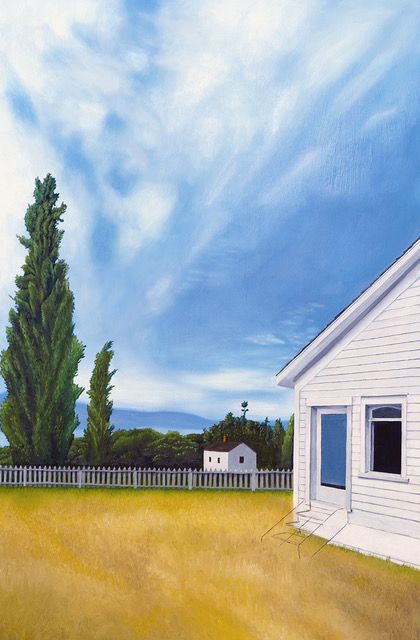
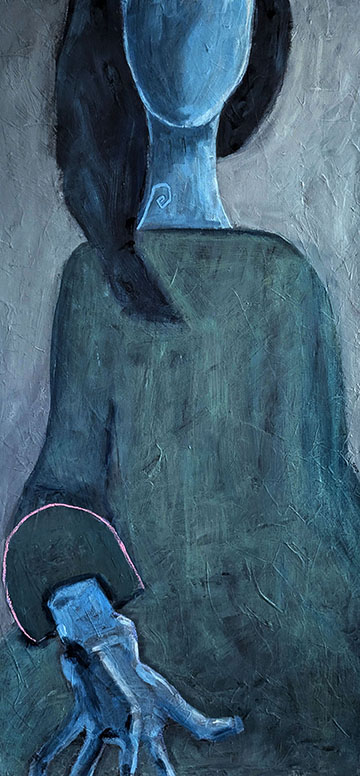
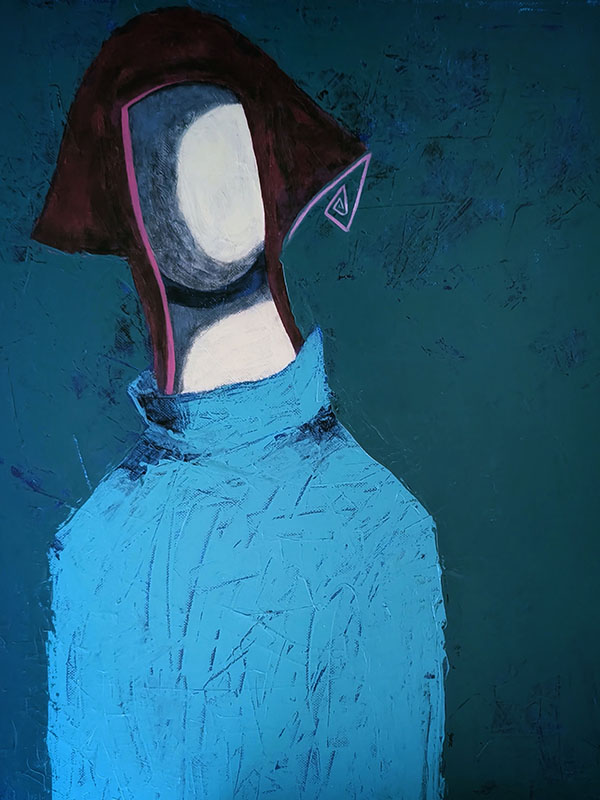
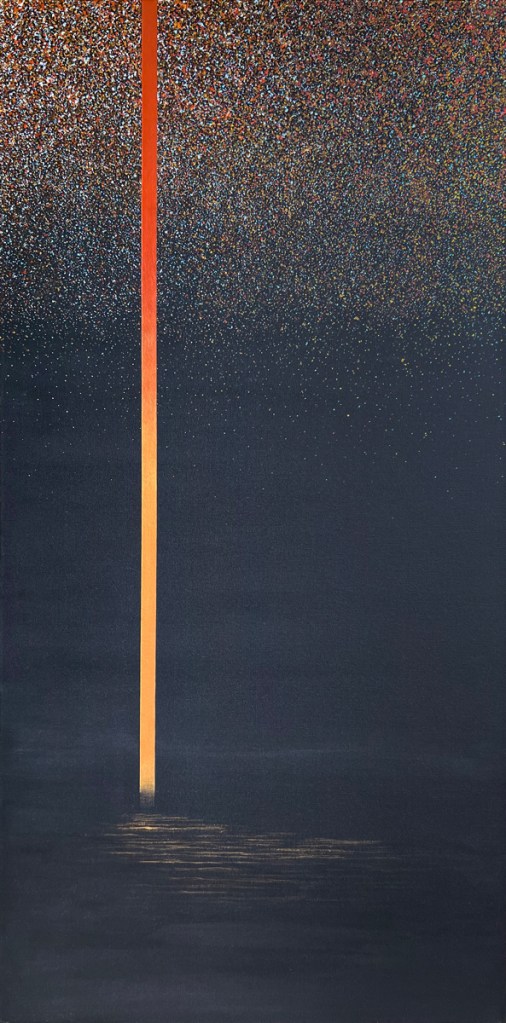
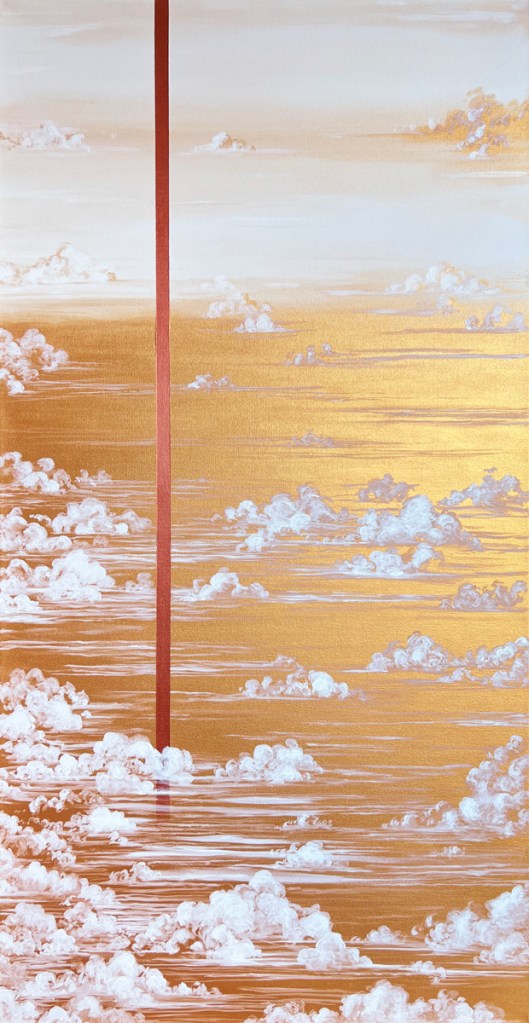
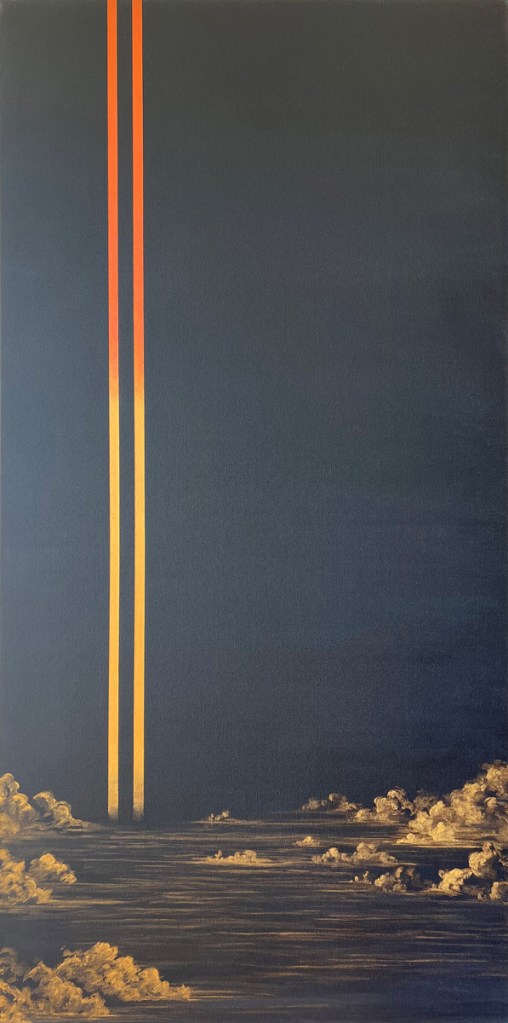
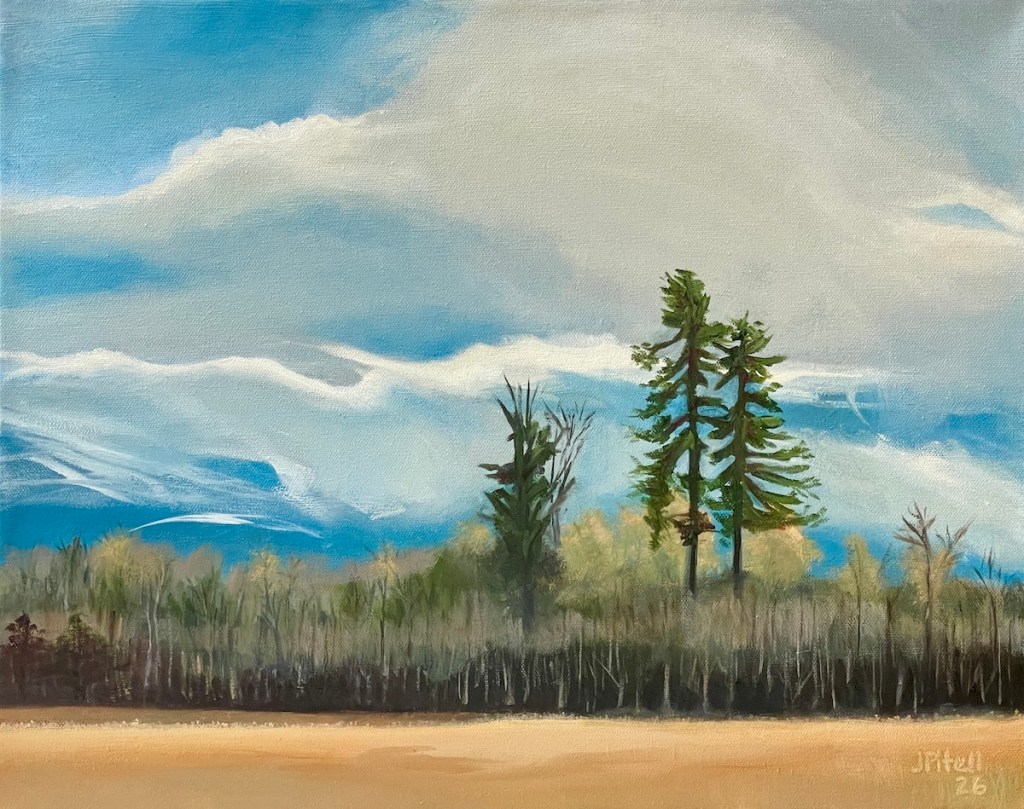
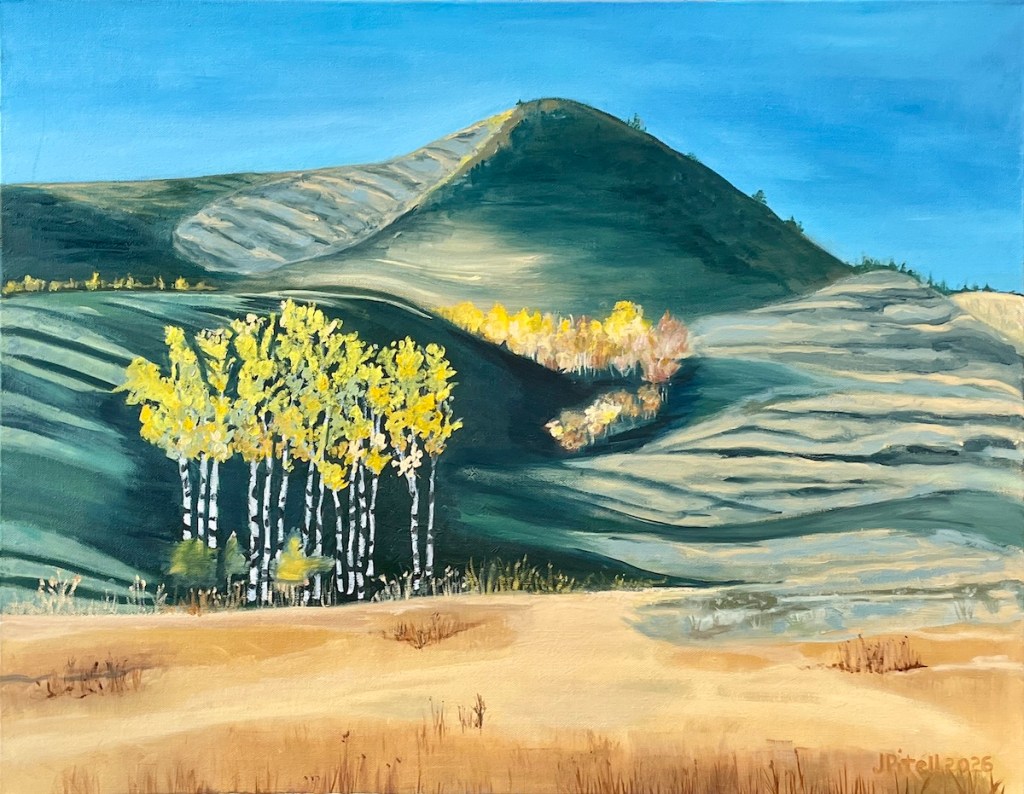
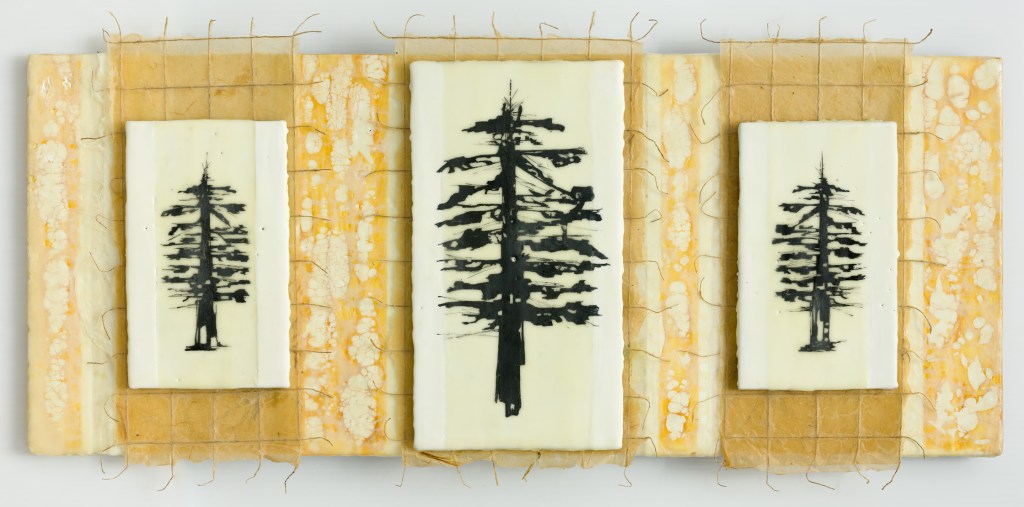
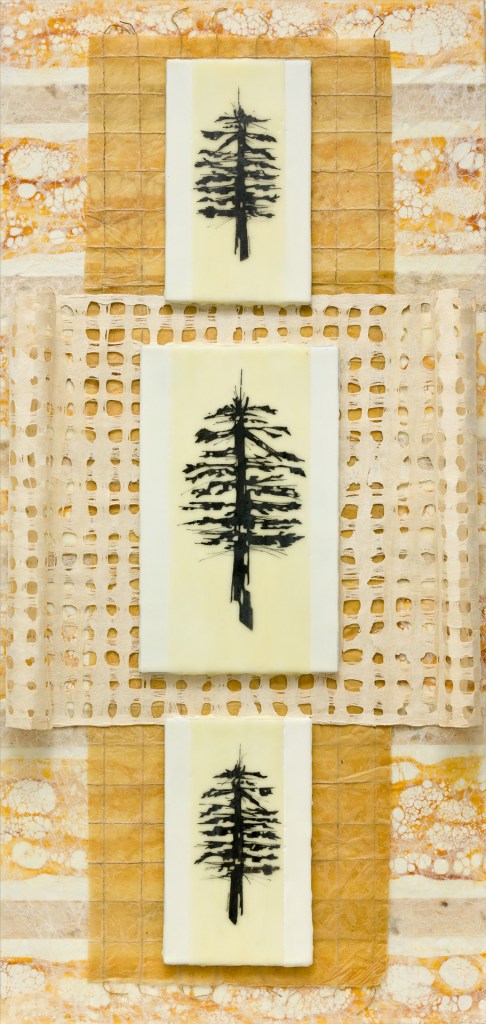
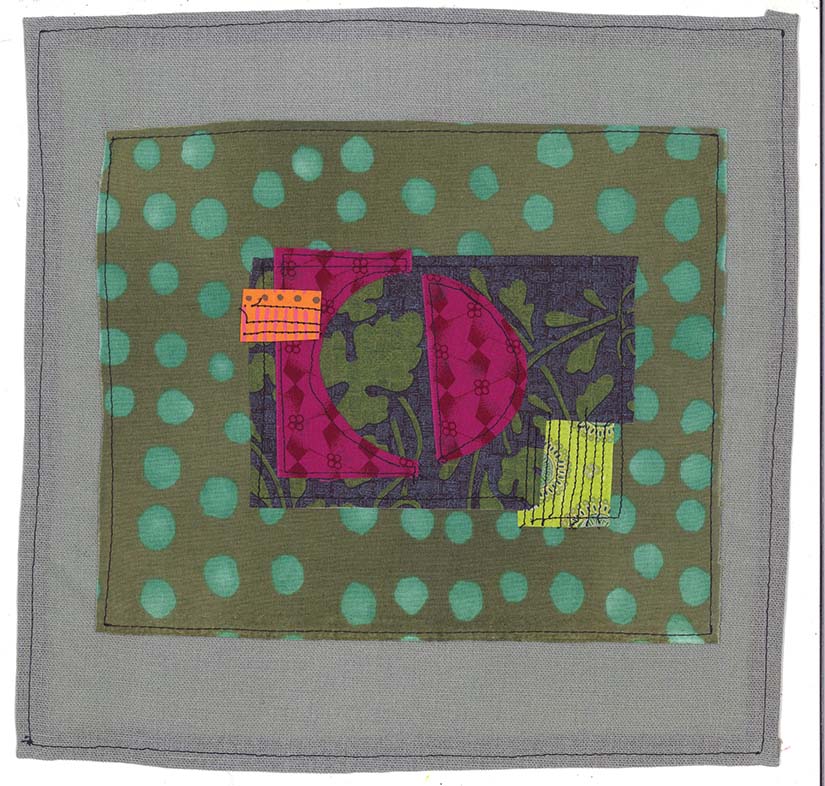
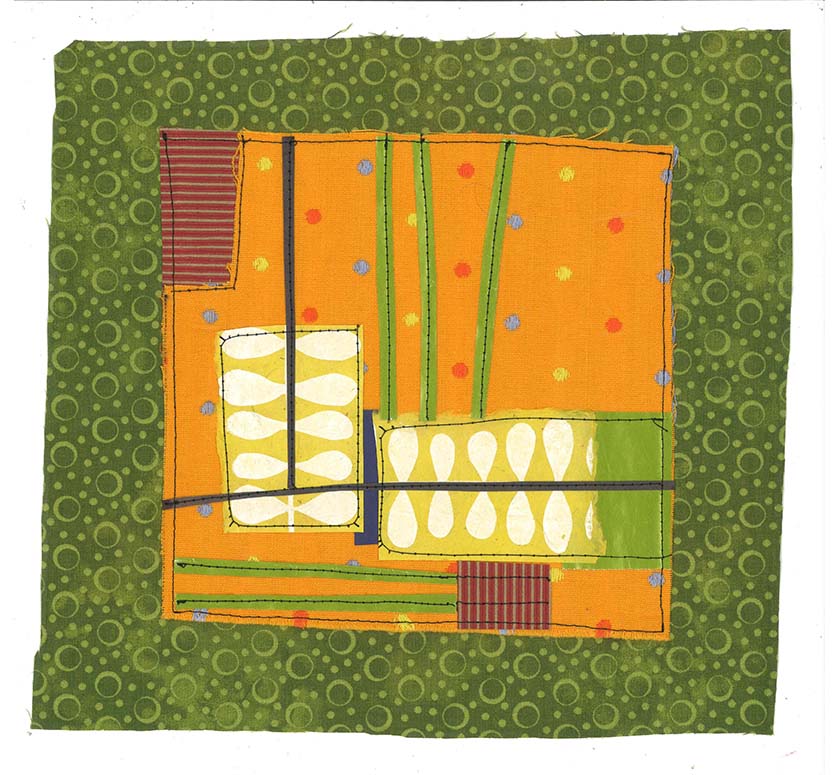
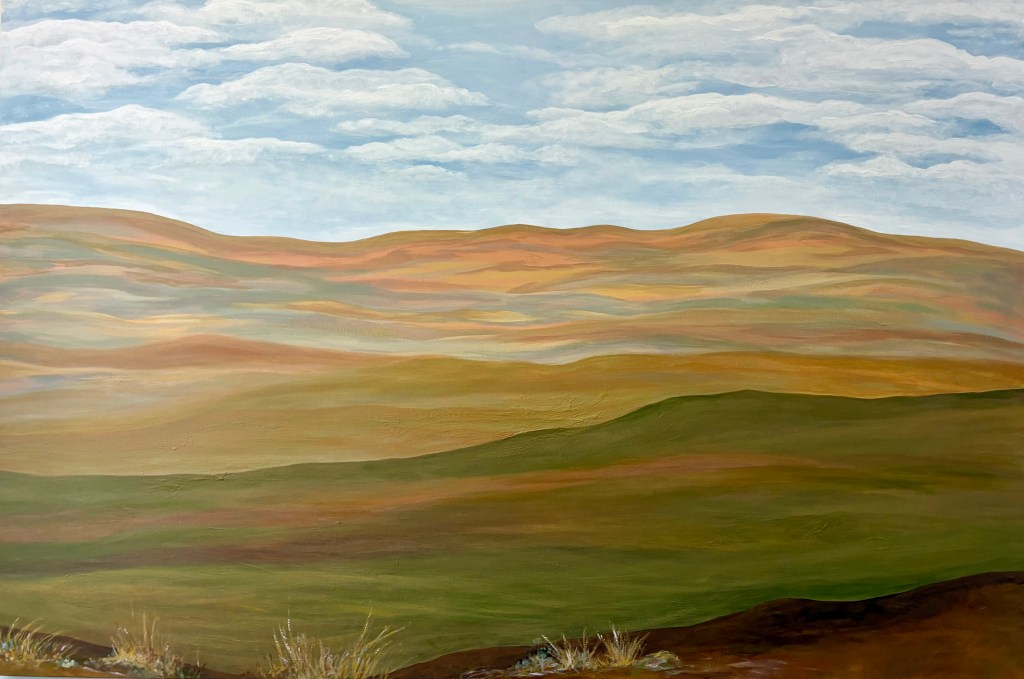
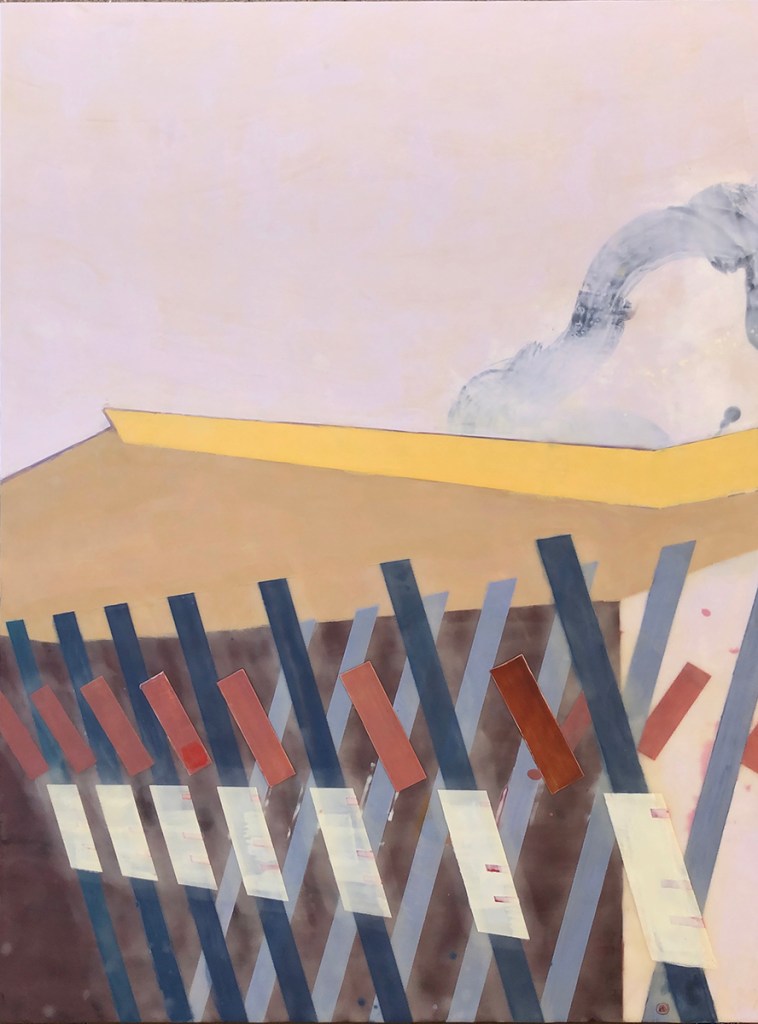
COLOR THEORY
What the Eye Perceives
The Lakeshore. 11448 Rainier Avenue S., Seattle, WA. 98178 (September 15, 2026 – January 10. 2027)
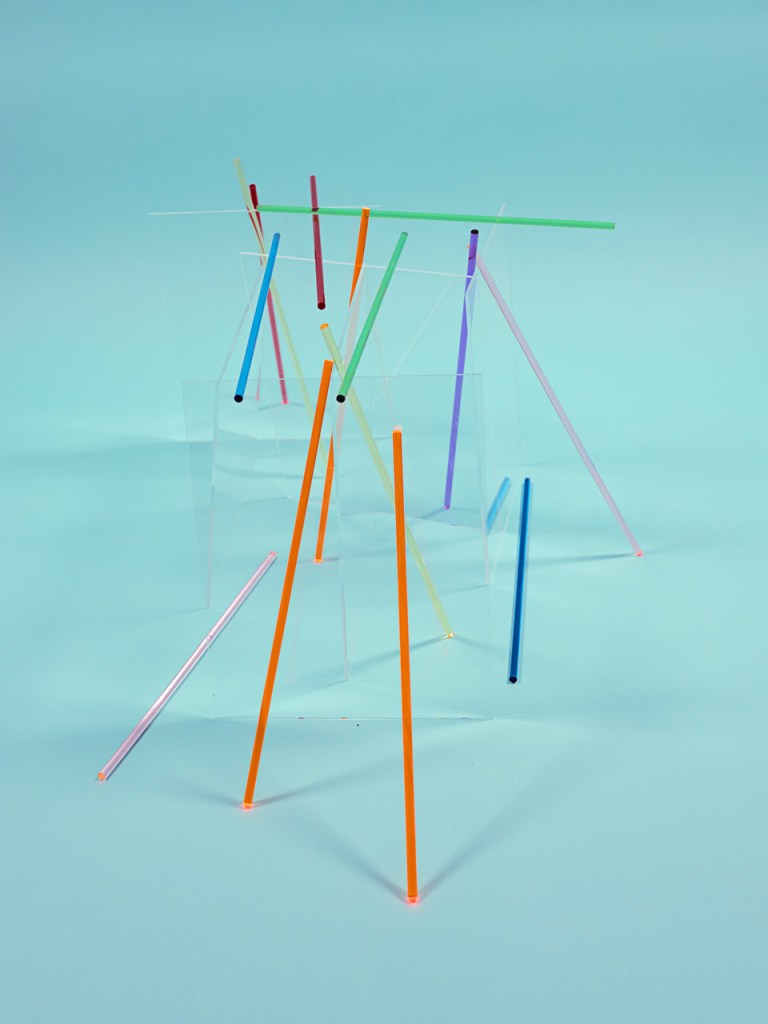
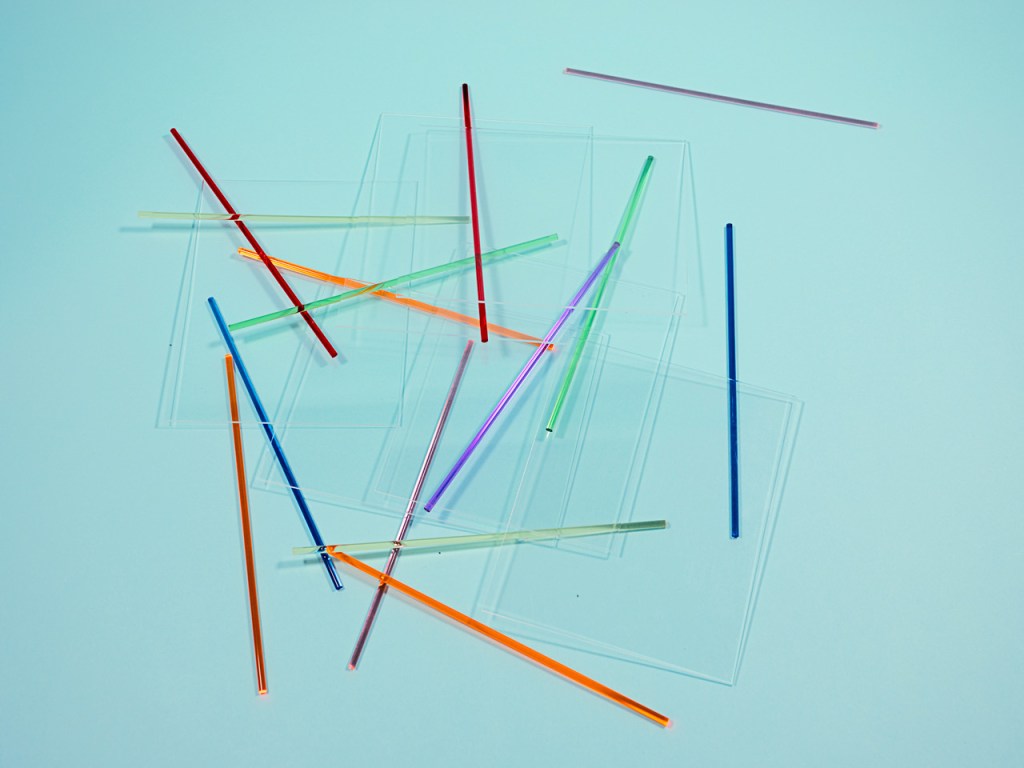
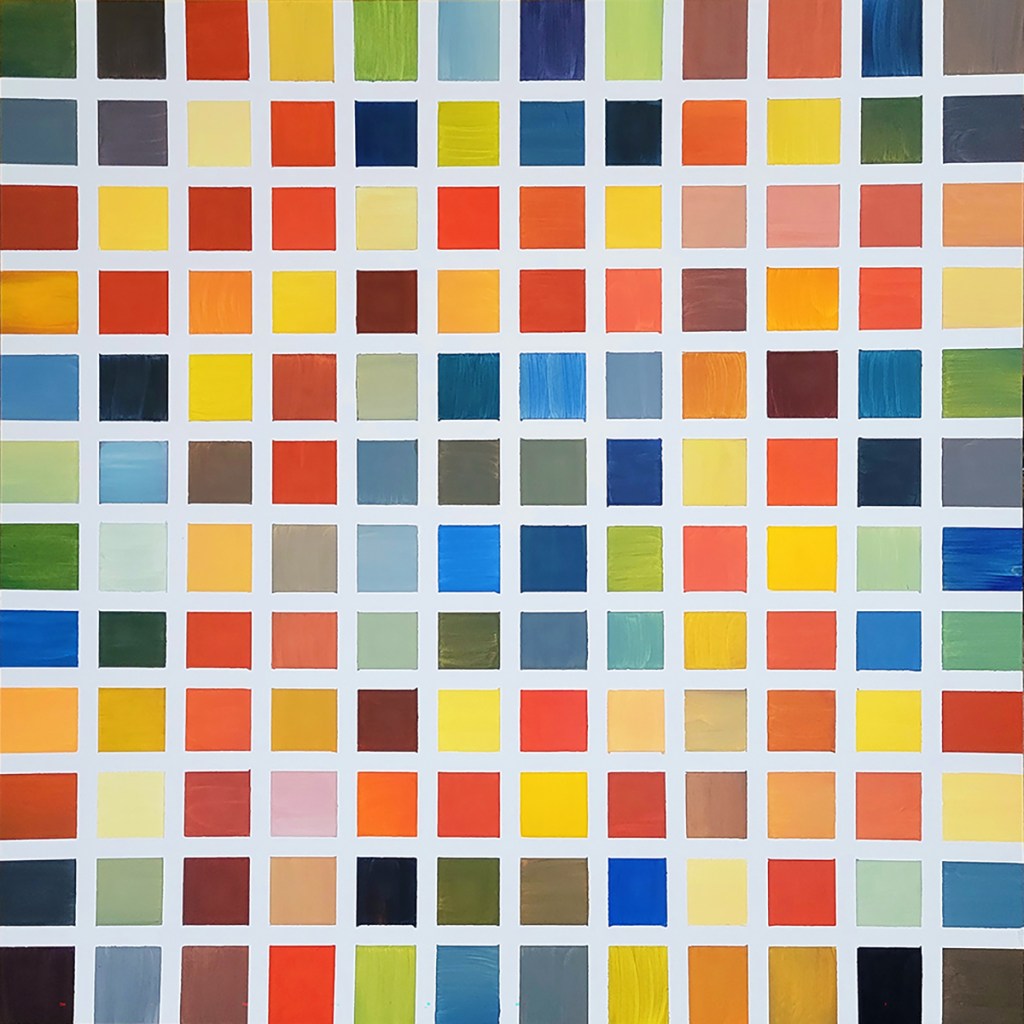
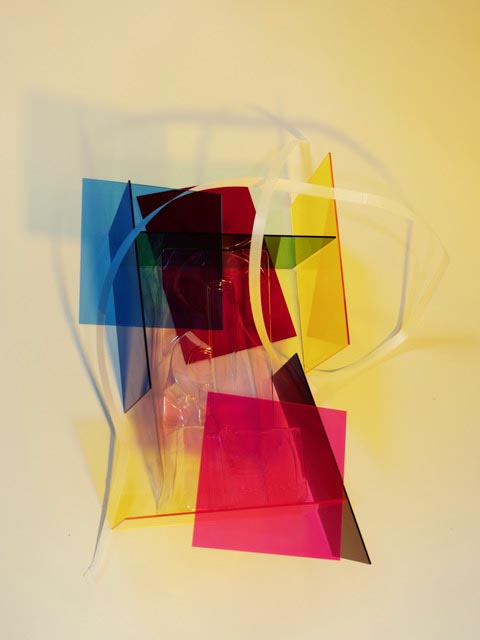
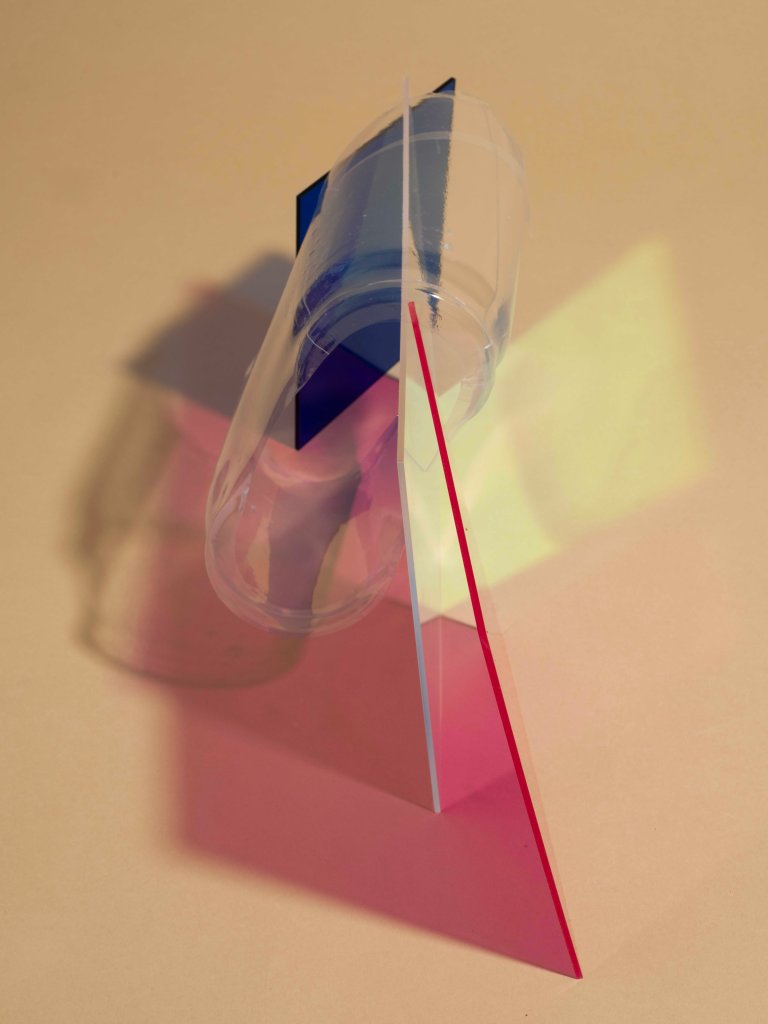
Humans can perceive around 2.3 million different colors. I find that astonishing, especially because it all happens in the eye. The retina is the hub for all the magnificent color we enjoy, but we didn’t know this until long after the advent of color theory, which began as far back as Aristotle. Color science, however, is the modern extension of traditional color theory, but over time the two grew apart. The chasm had more to do with discordant culture than a natural incompatibility, as there really is no separating the two. Responding to color is many things simultaneously; emotional, cultural, scientific, and very much optic. The objects we see are not the color they appear to be. Color is a feature of visual perception that involves a complex relationship between the wavelengths of light in the visual spectrum.
One of my favorite artists, Josef Albers, published Interaction of Color in 1963. It was an experiential way of studying and teaching color. He said color “is almost never seen as it really is” and that “color deceives continually”. He asserted the best way to study color is via experience, accomplished with experimentation and observation.
In college we spent countless late nights in the painting studio completing our color studies. We brushed small swatches of color, the mixing of which was deeply considered as it made its way across the paper. Whether primary, complimentary, harmonious or discordant, it was a consideration of color we had not previously experienced, and it would prompt all manner of further exploration over time.
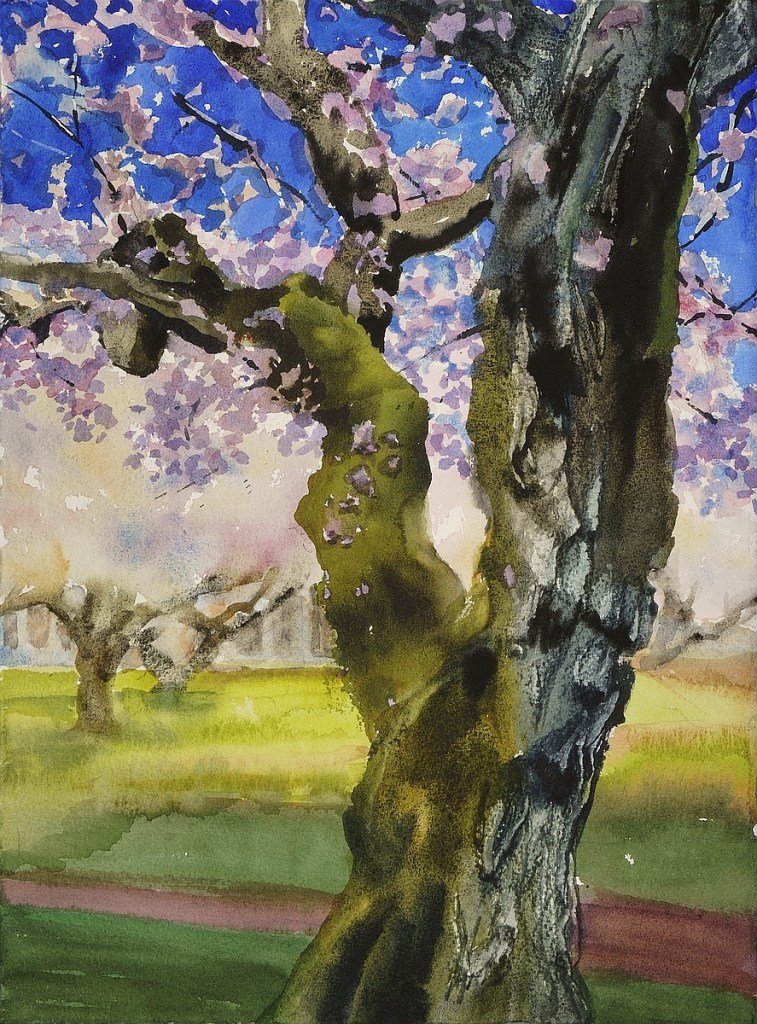
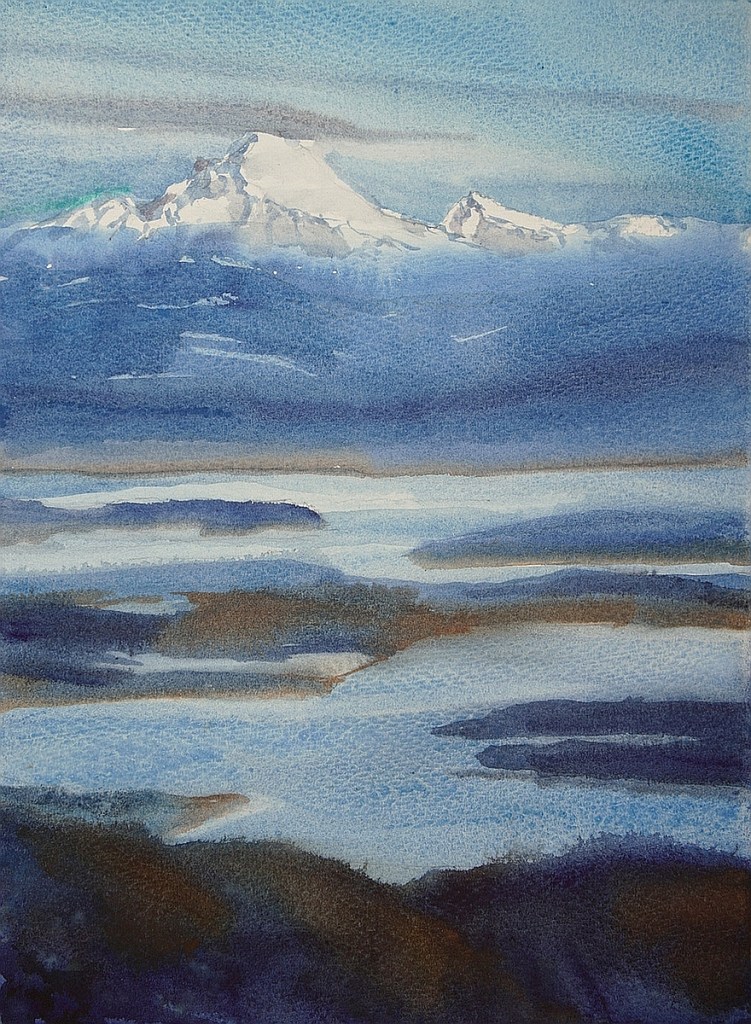
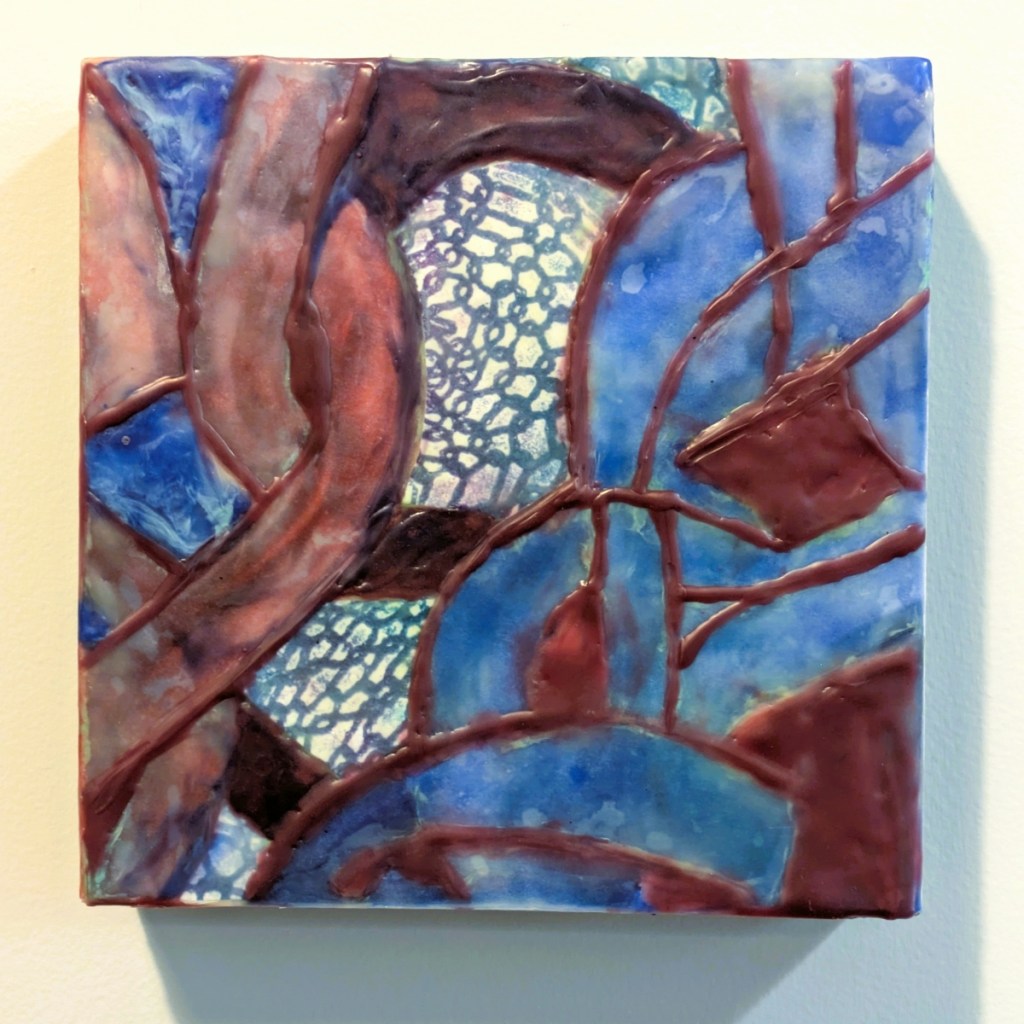
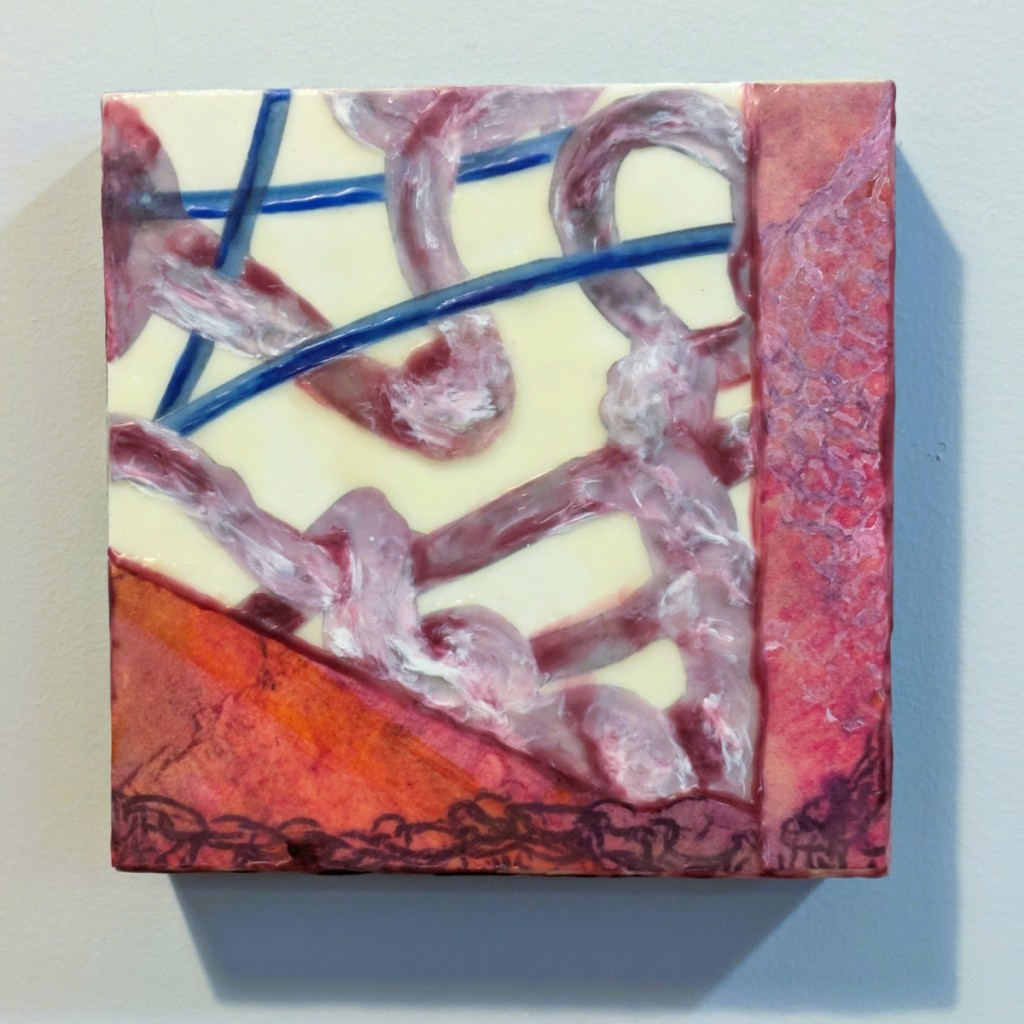
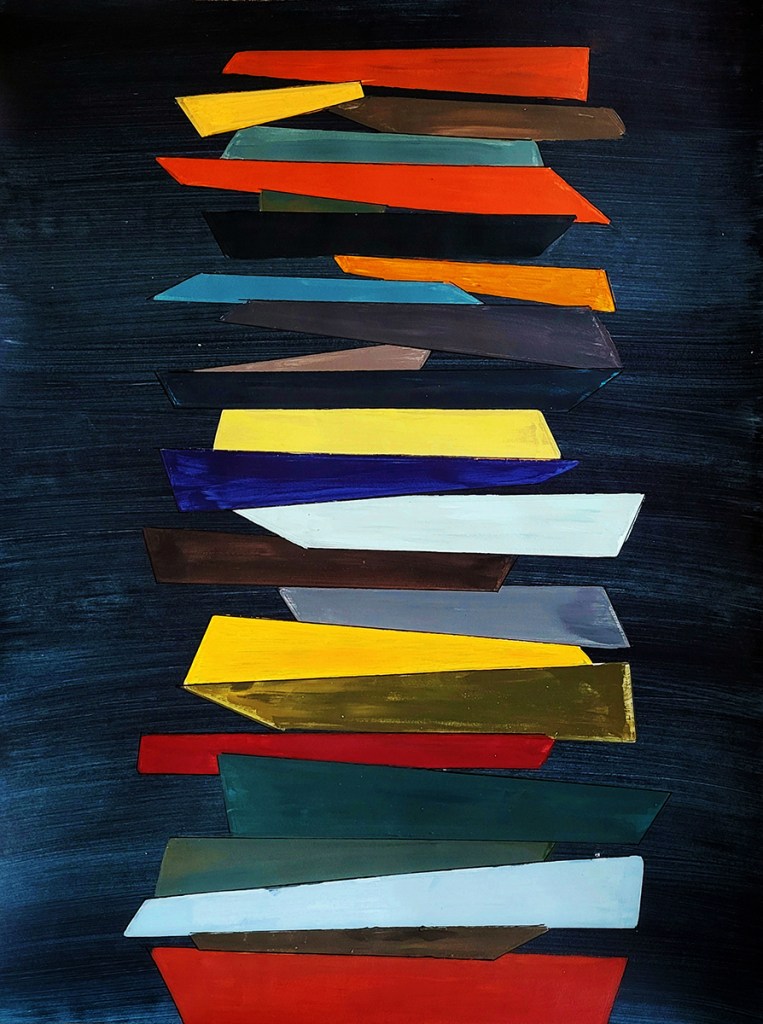
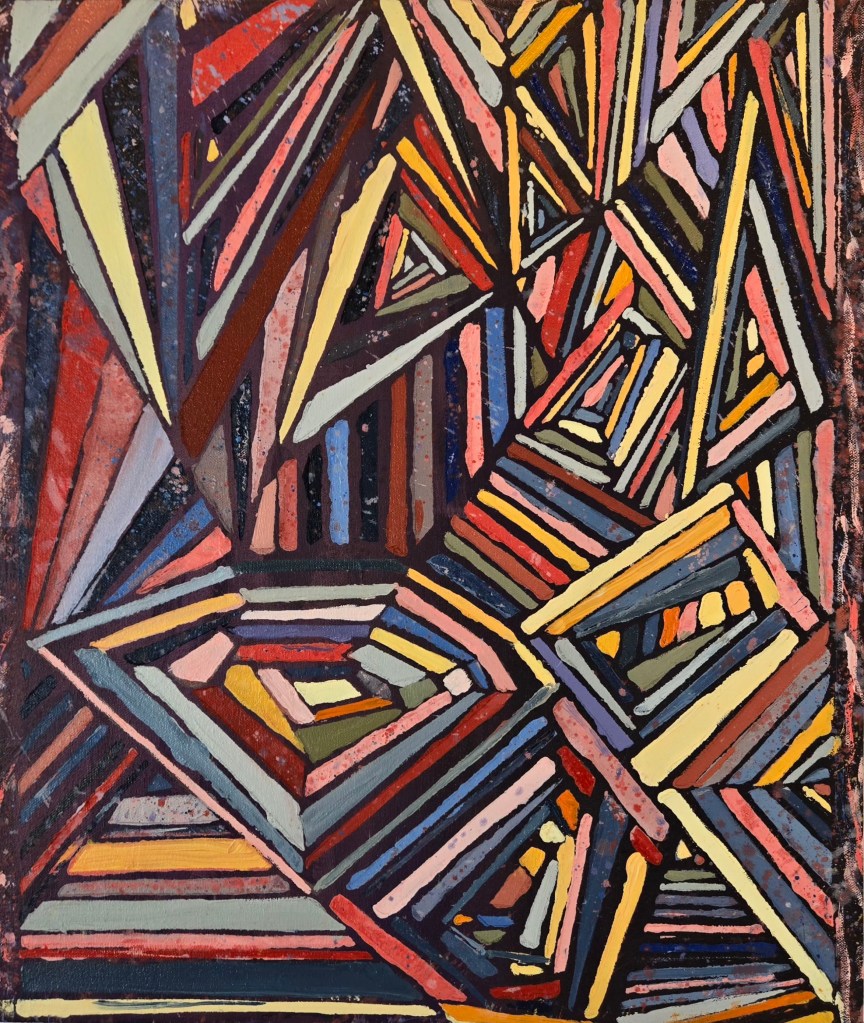
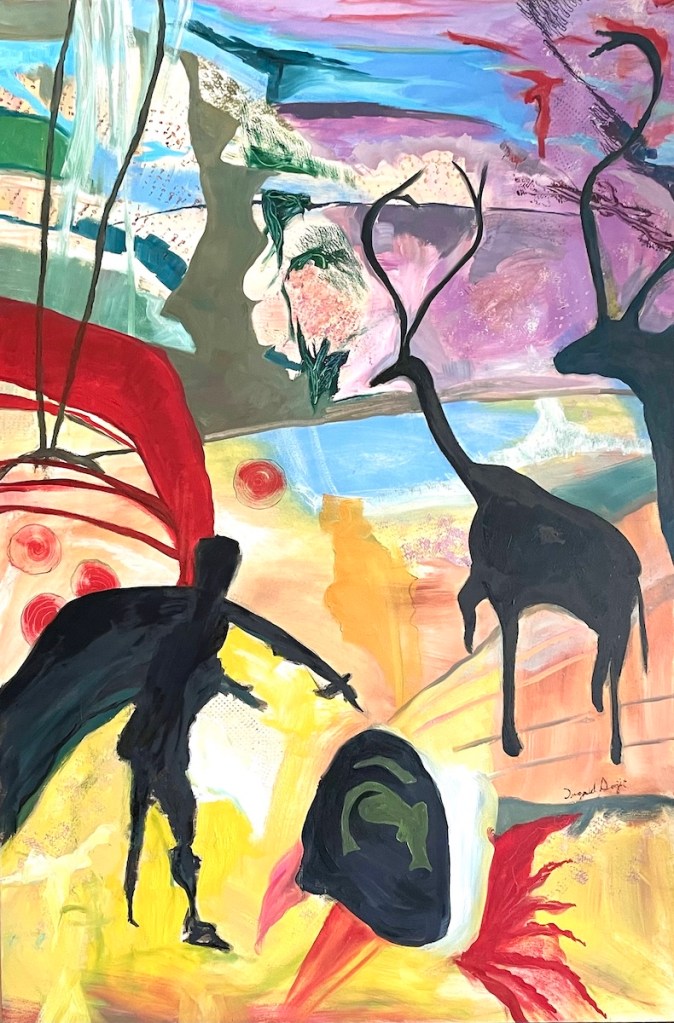
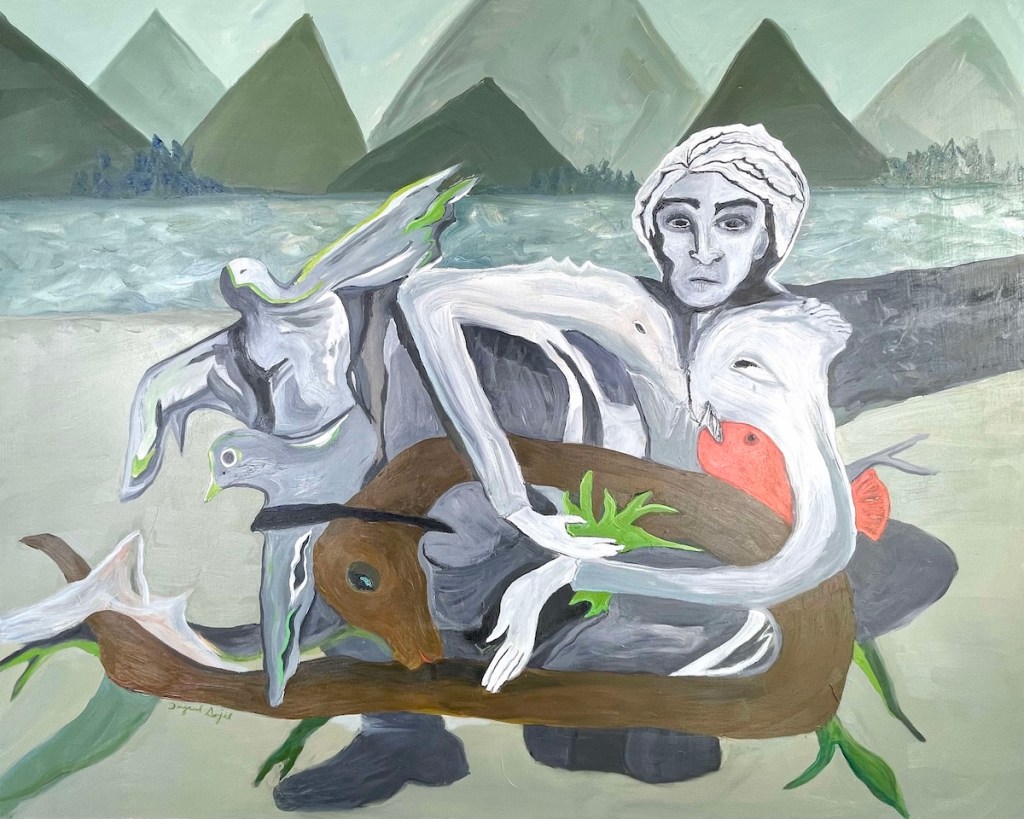
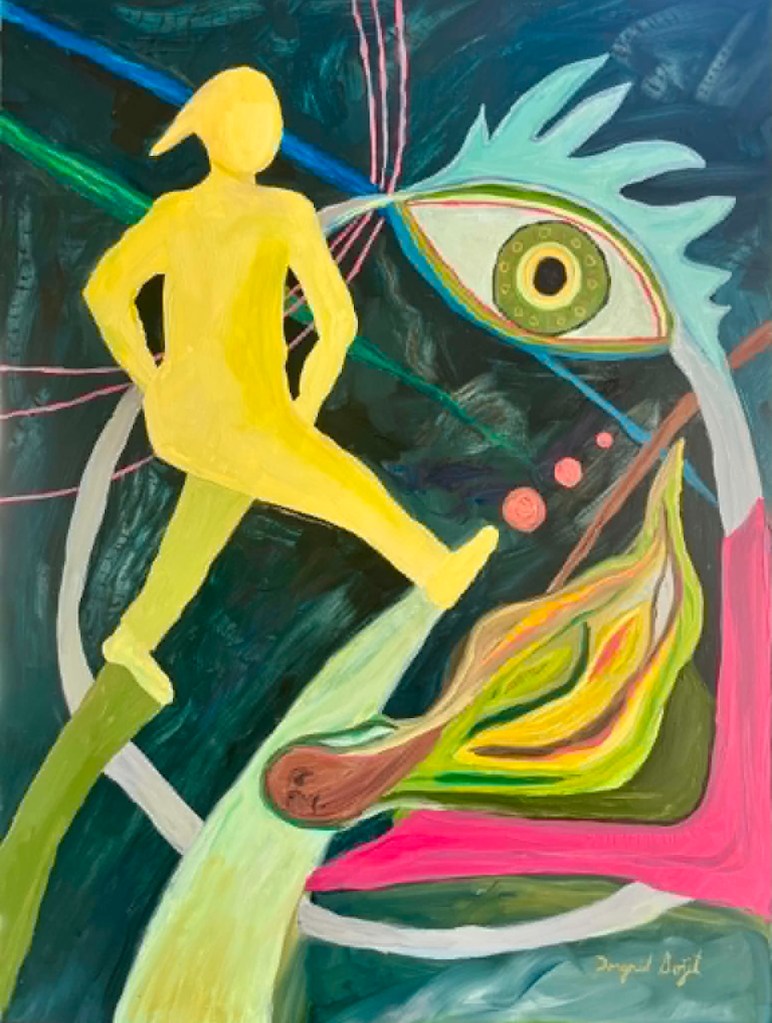
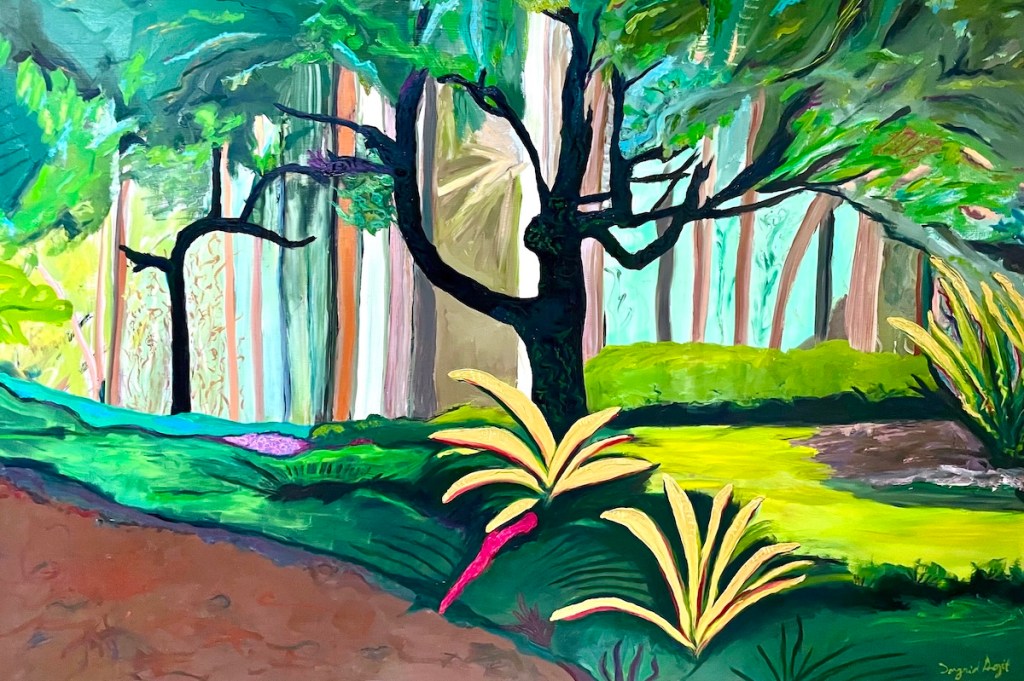
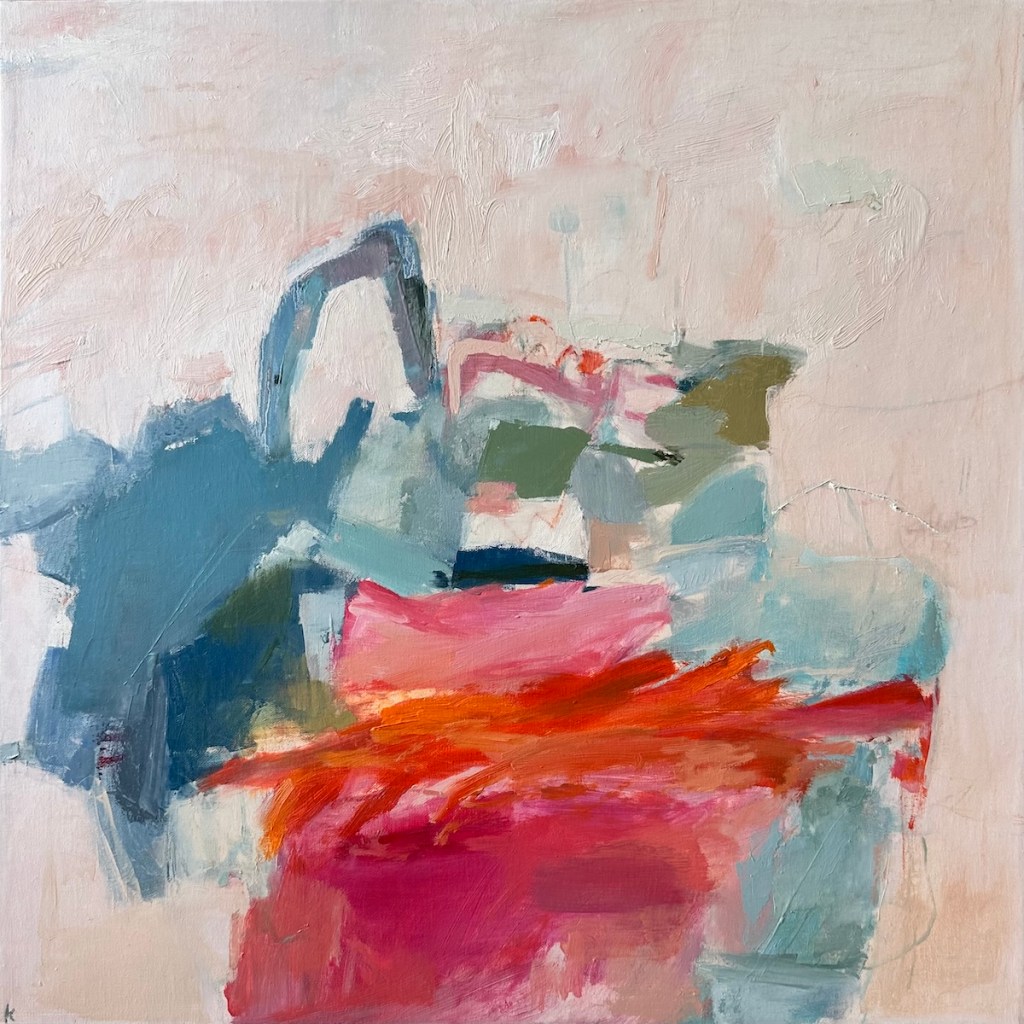
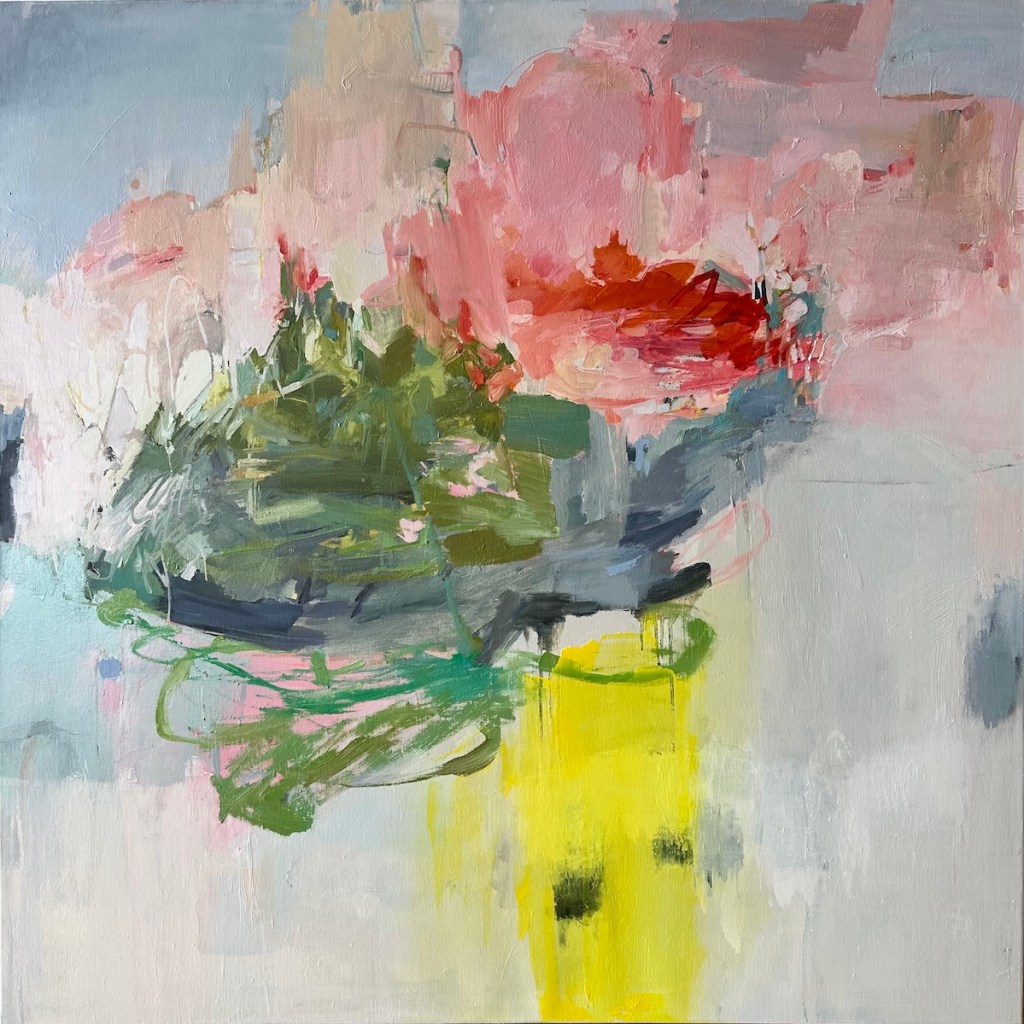
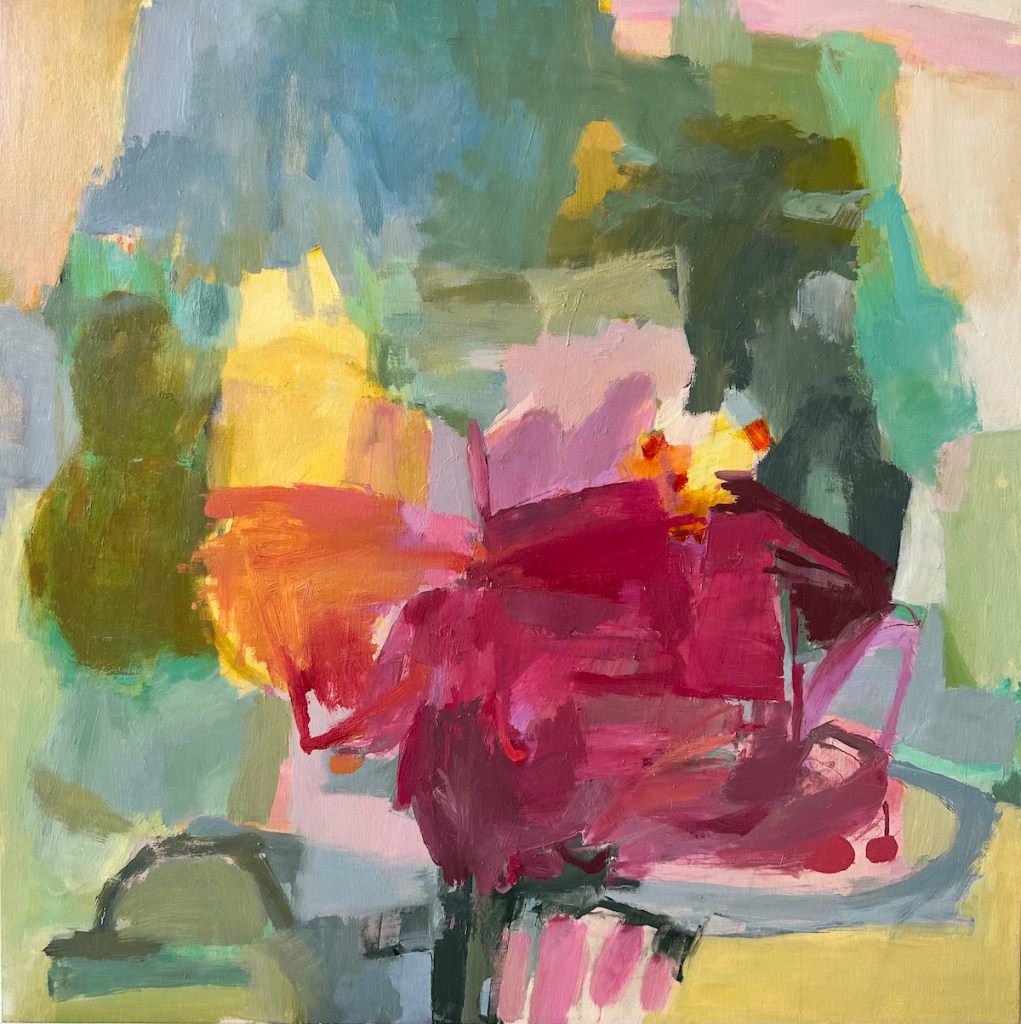
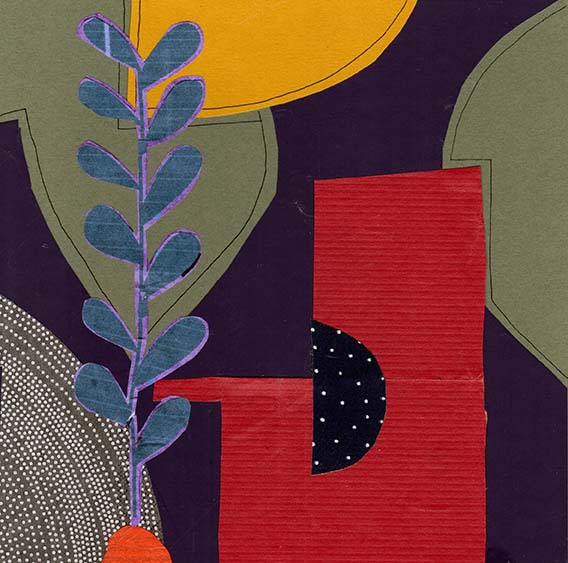
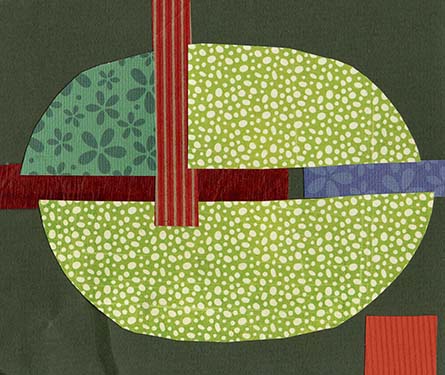
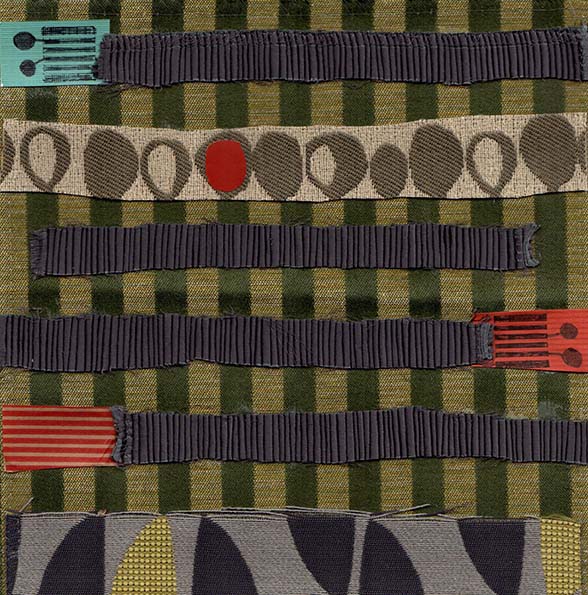
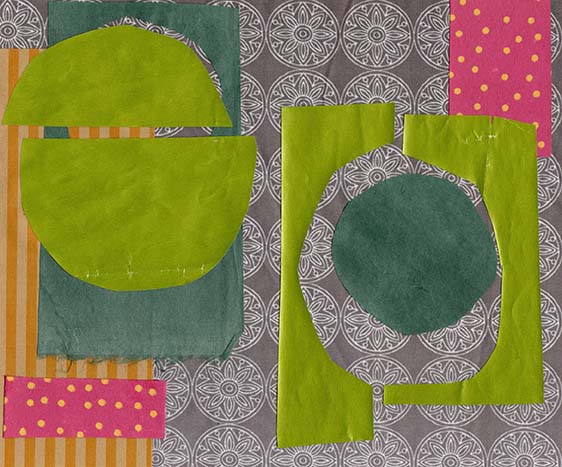
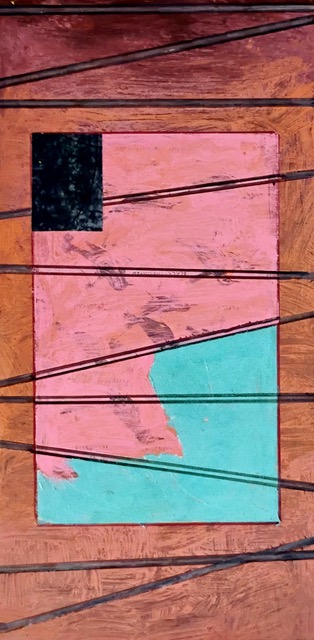
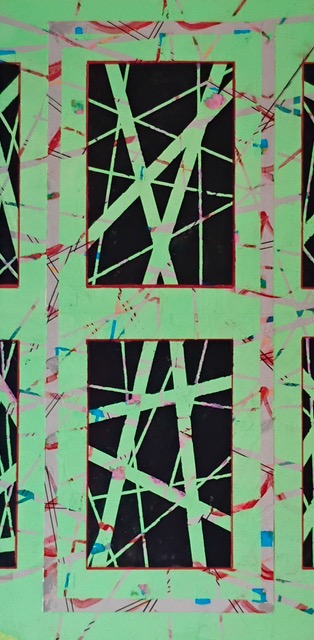
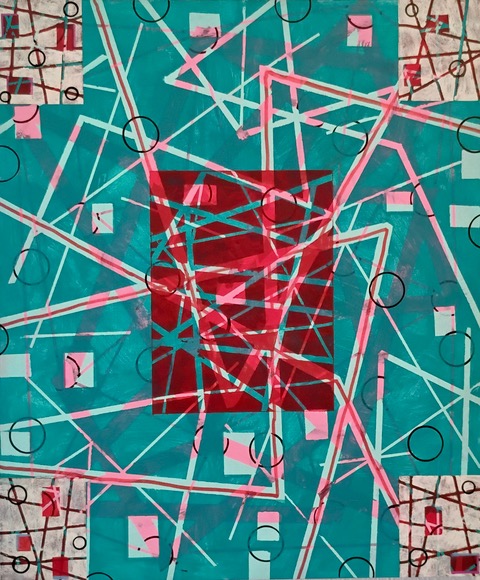
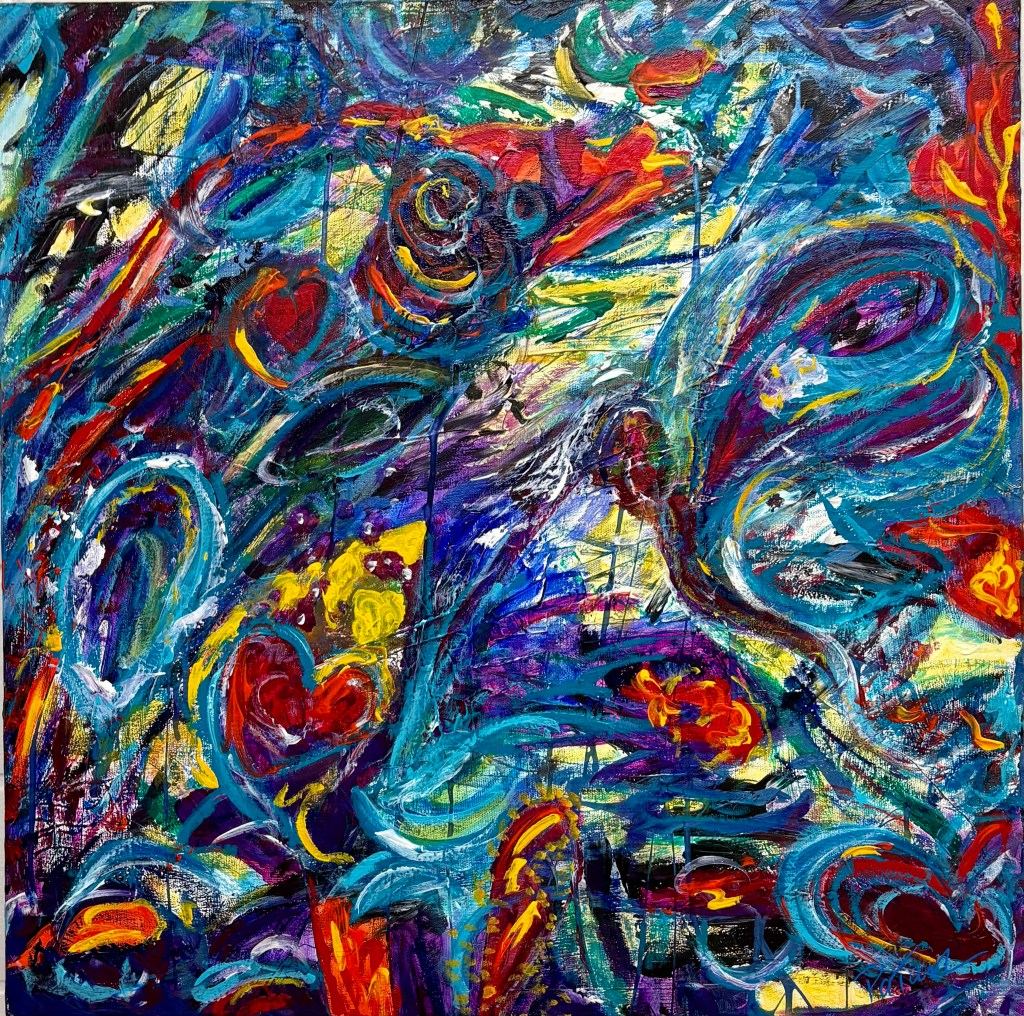
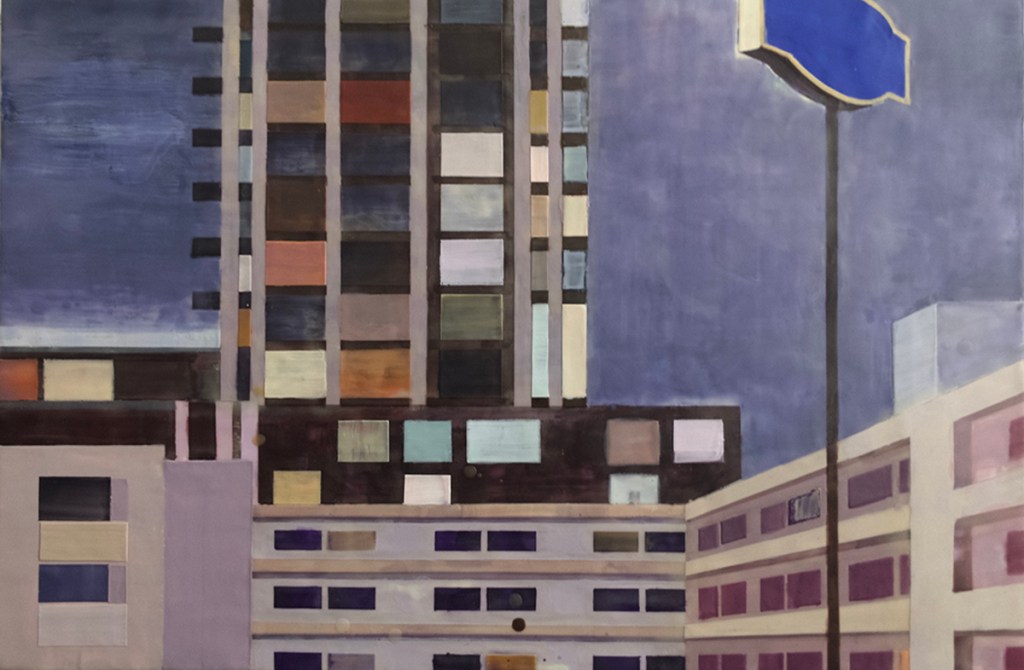
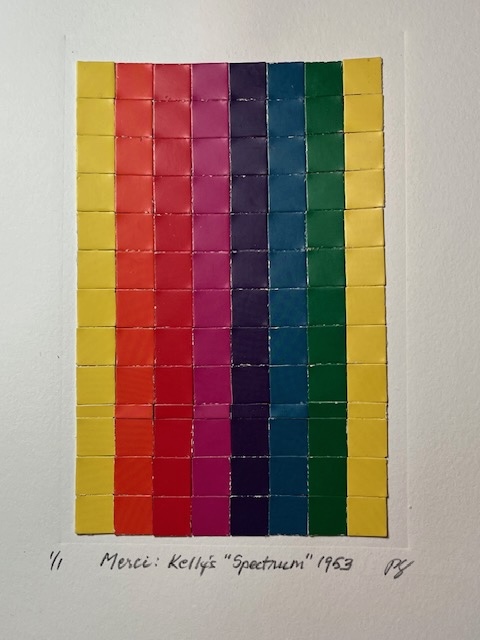
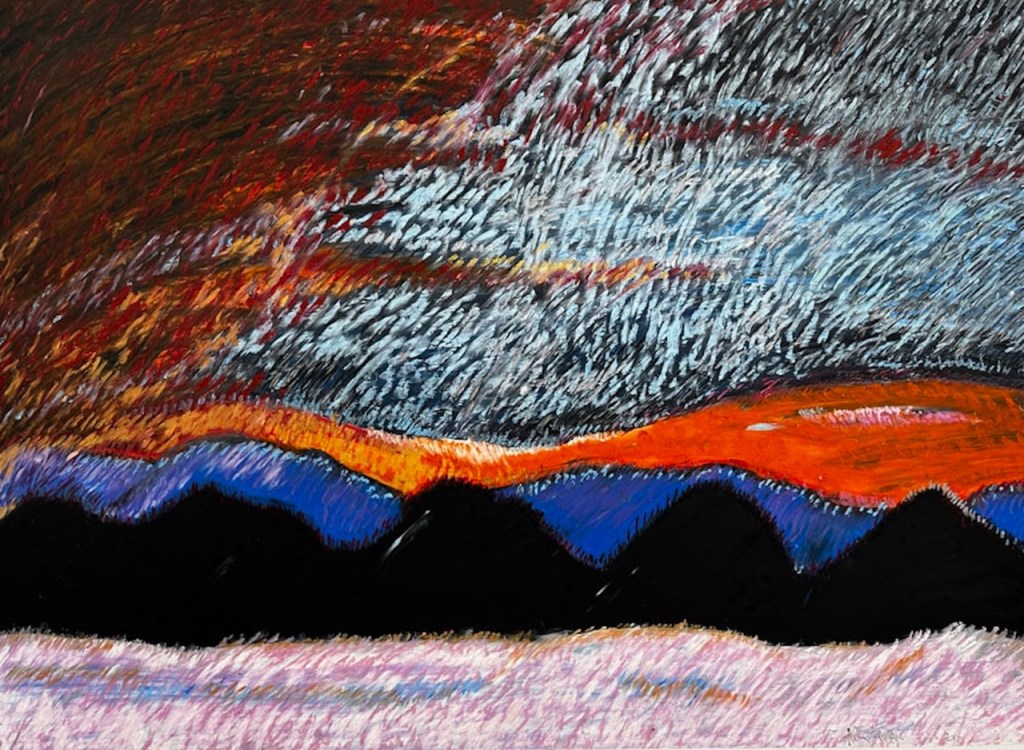
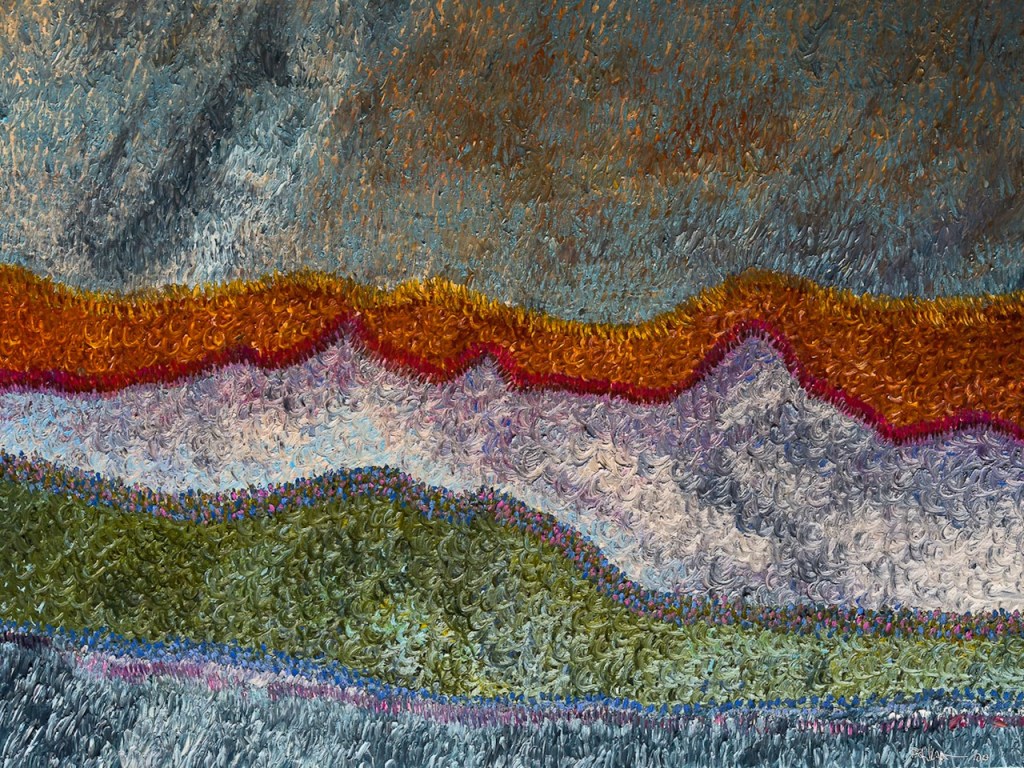
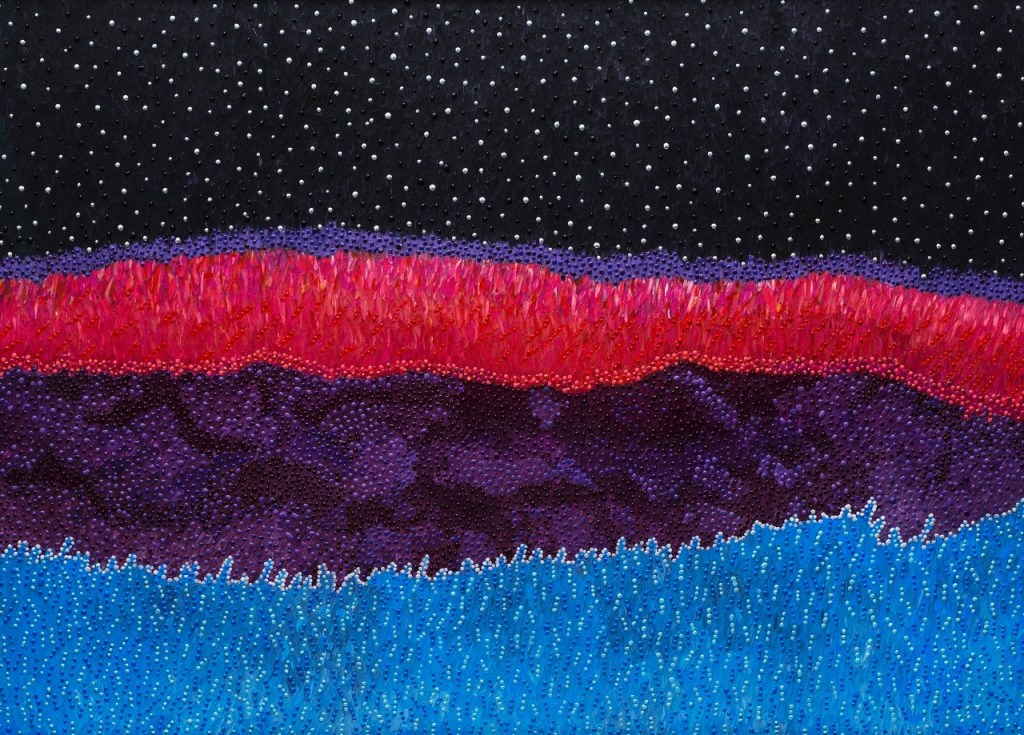
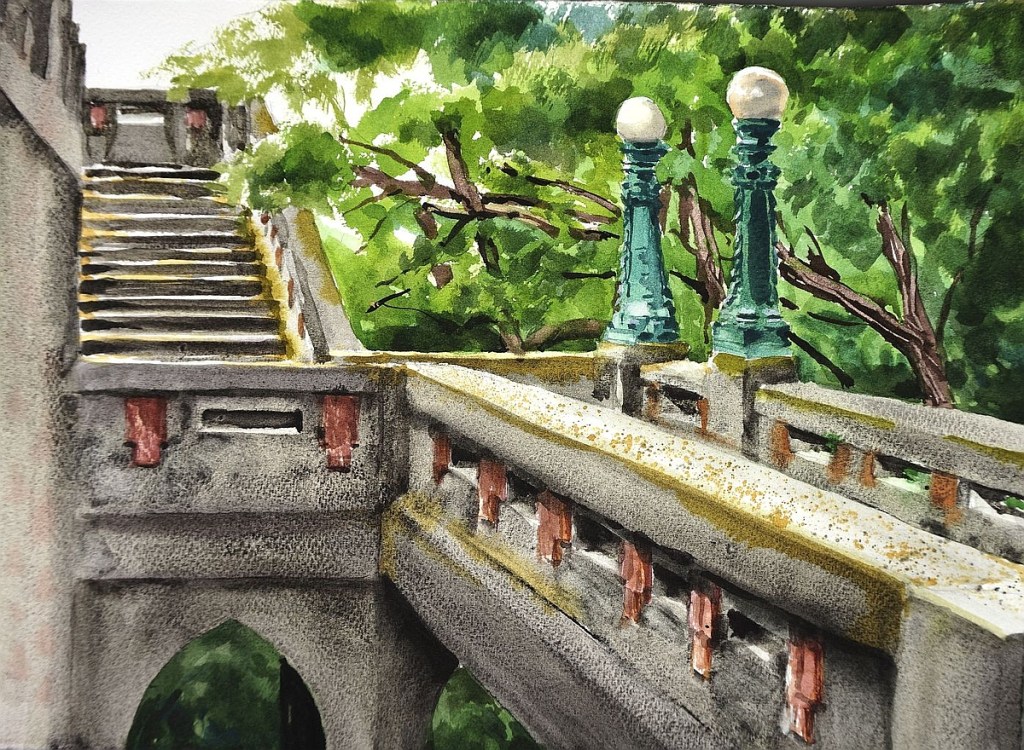
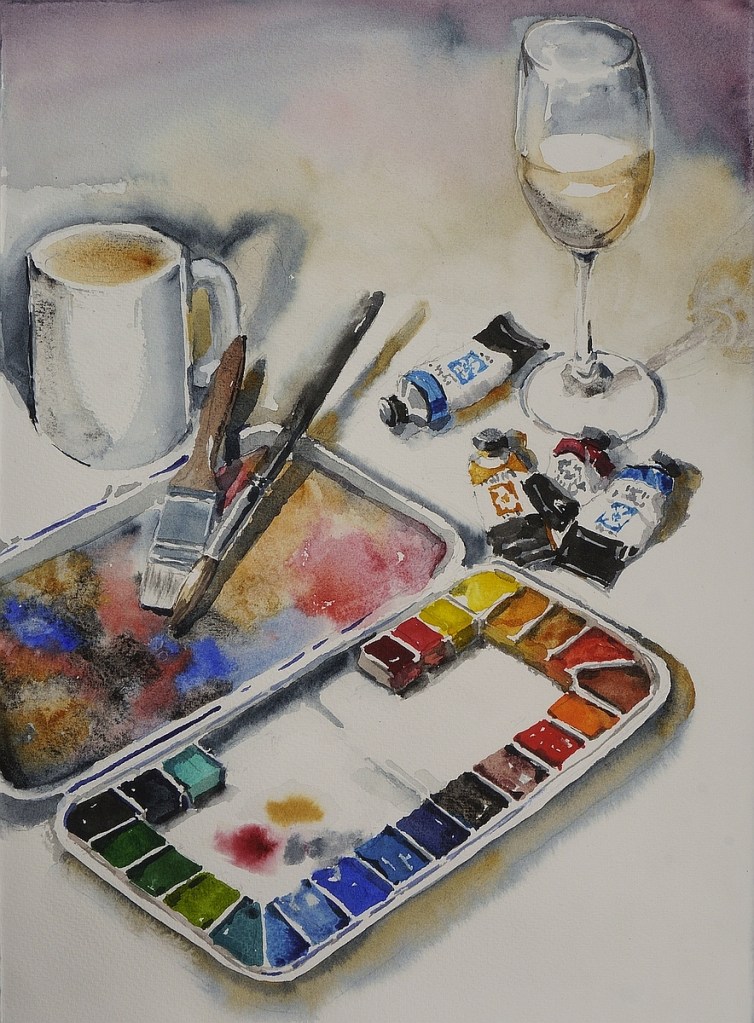
I invite you to experience the works in this show knowing each piece was selected based on the use of color regardless of genre. Each work expresses some aspect of color theory, and each work is perceived in the back of our eyes – the ultimate optical illusion.
Stephanie
Artist, Curator
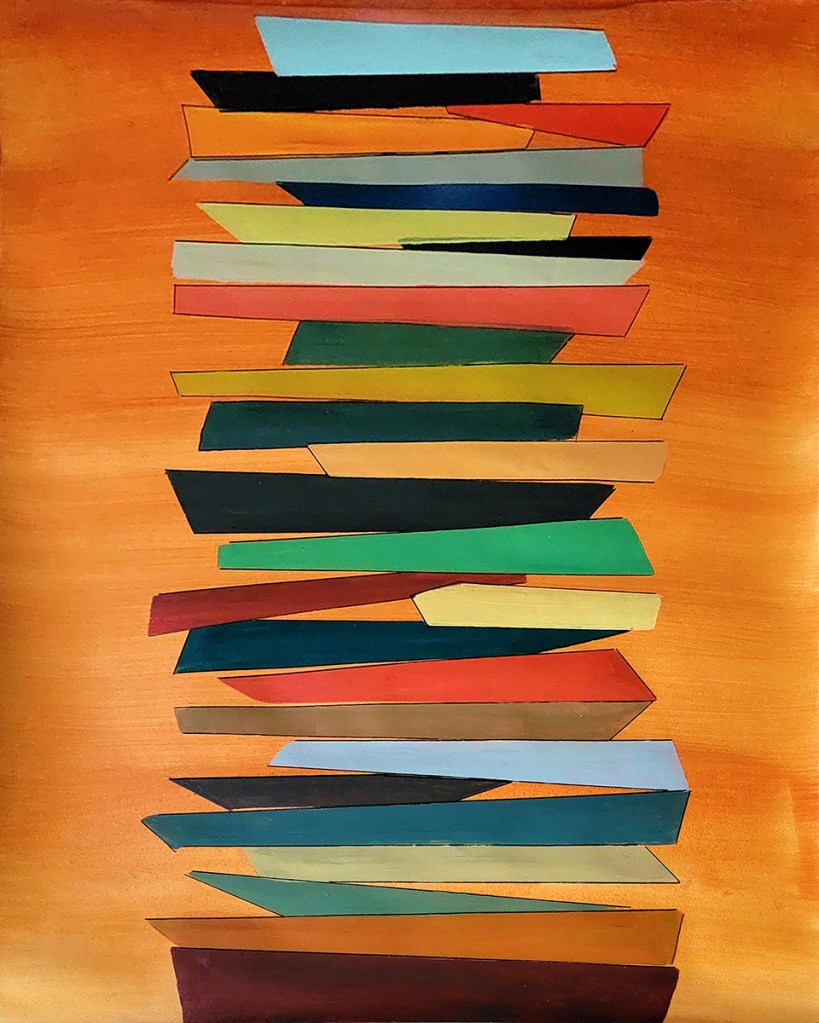
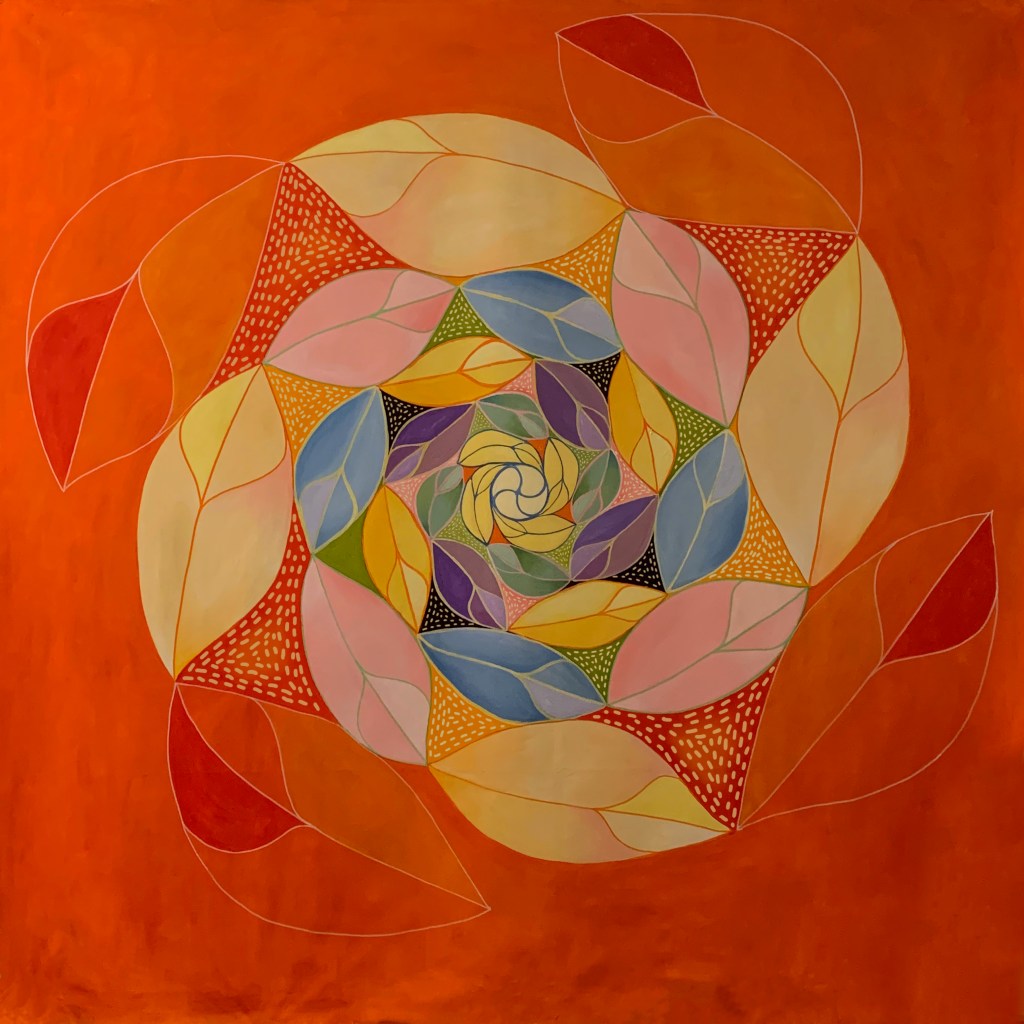
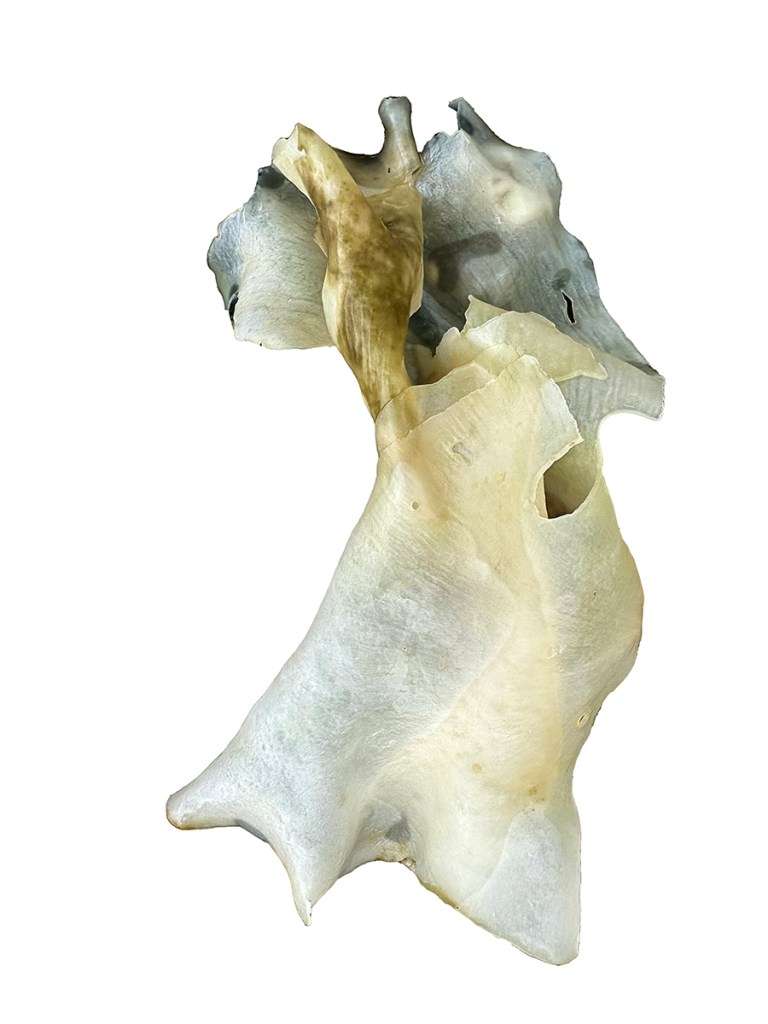
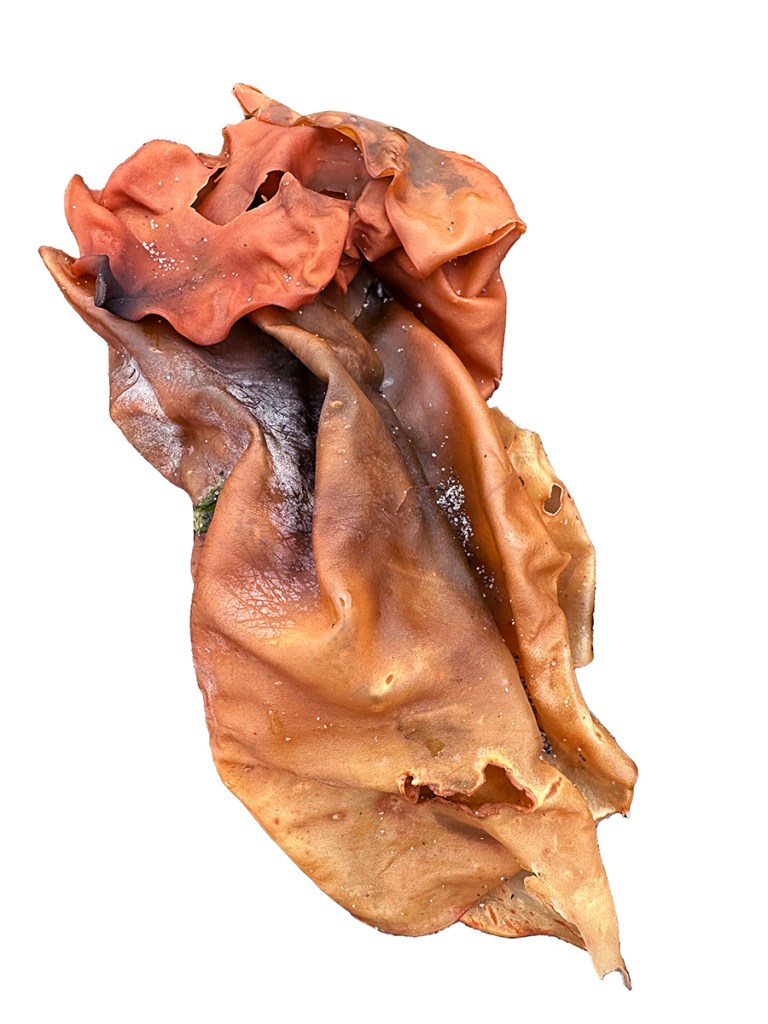
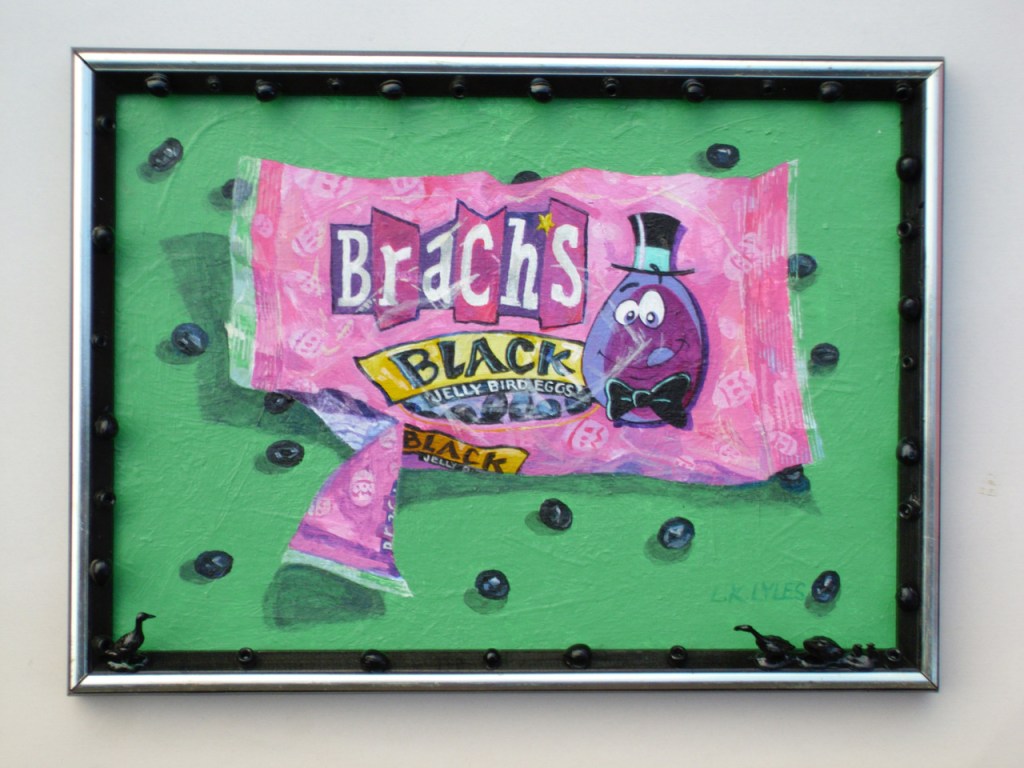
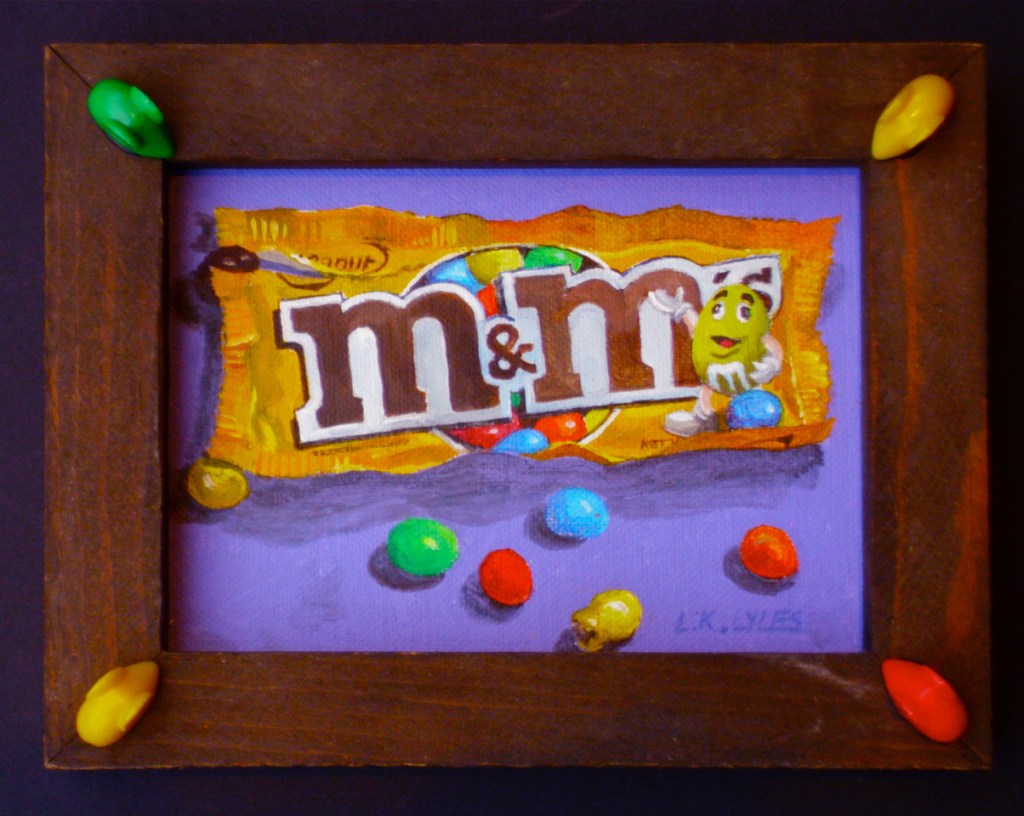
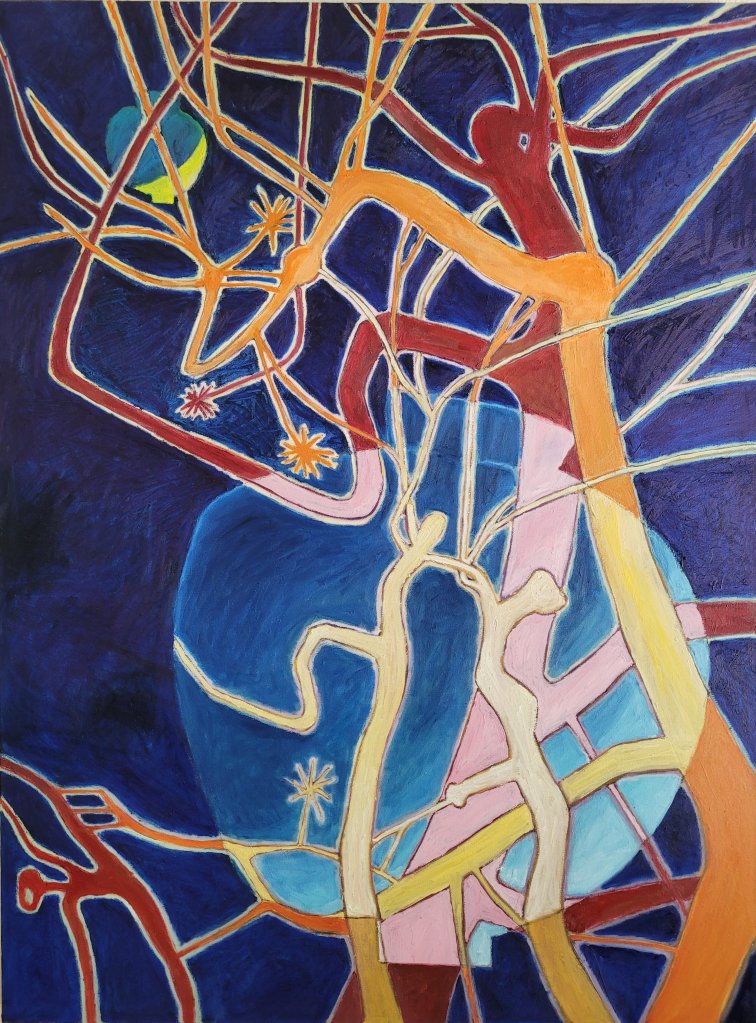
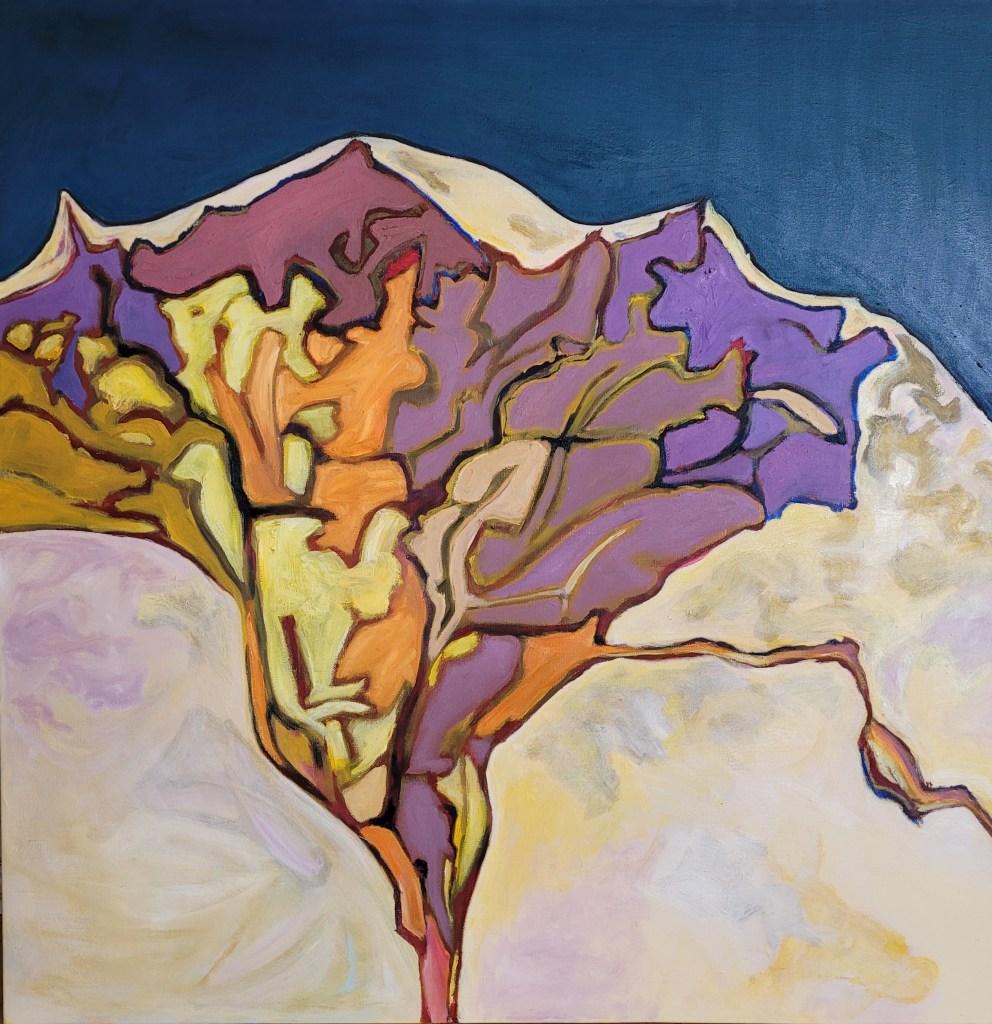
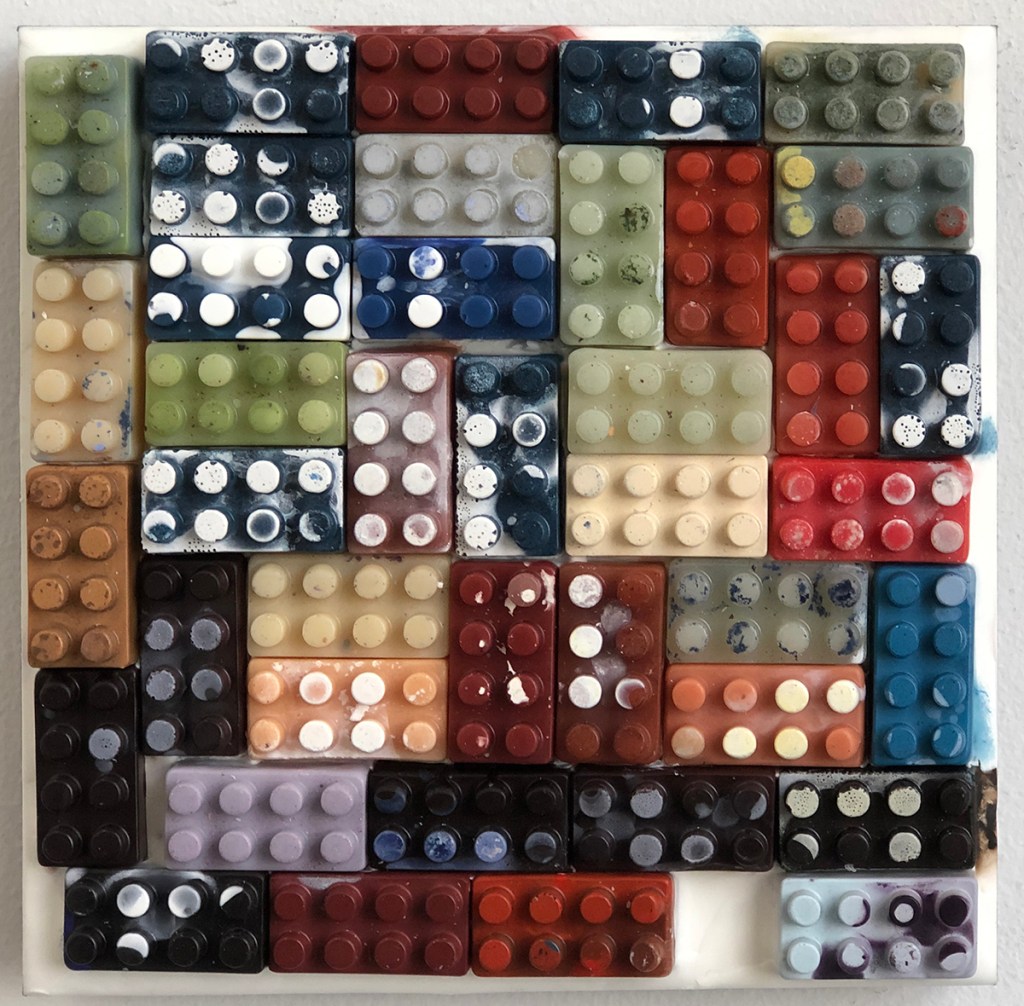
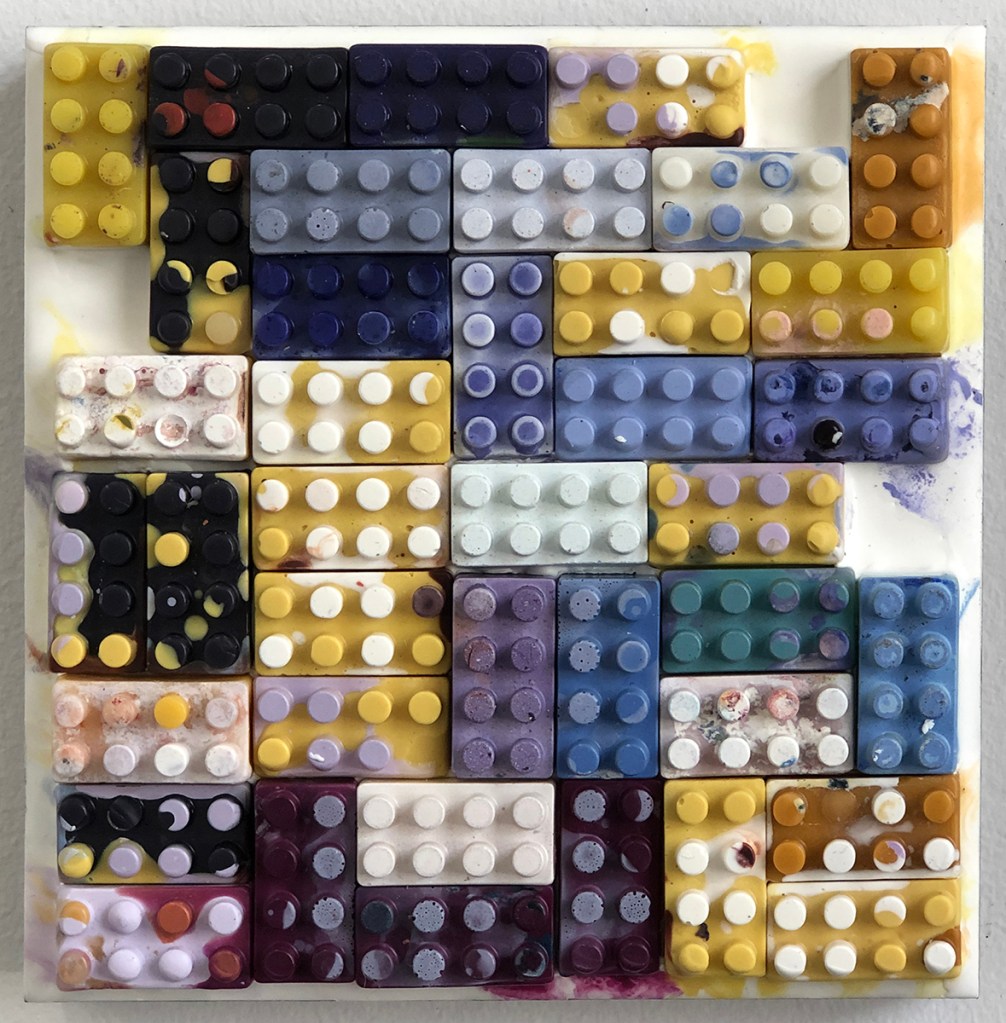
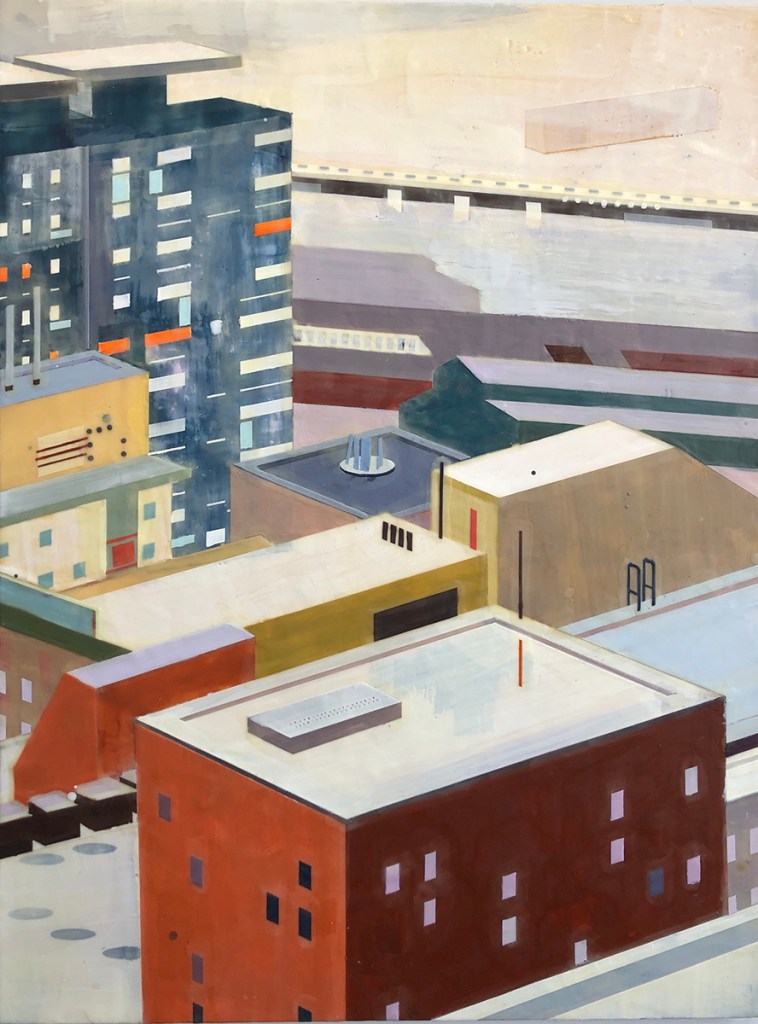
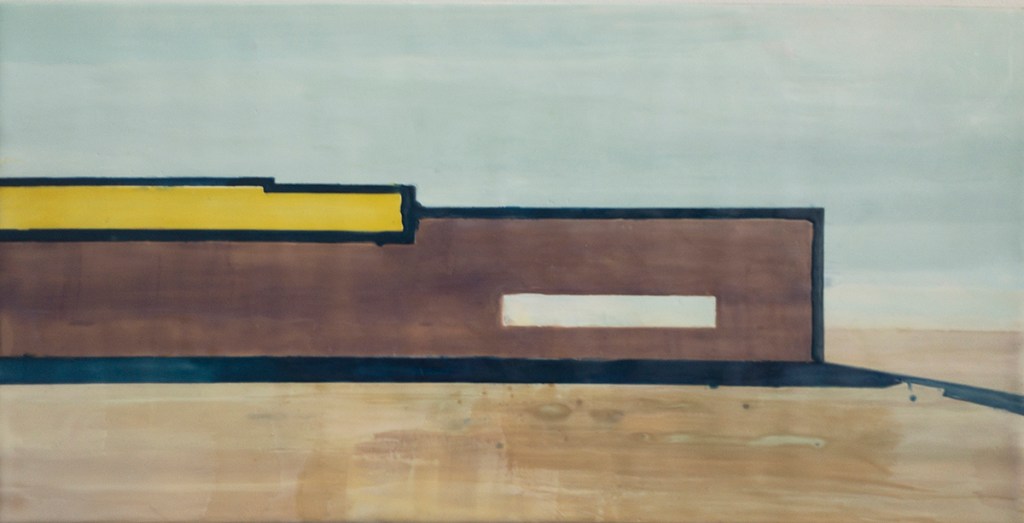
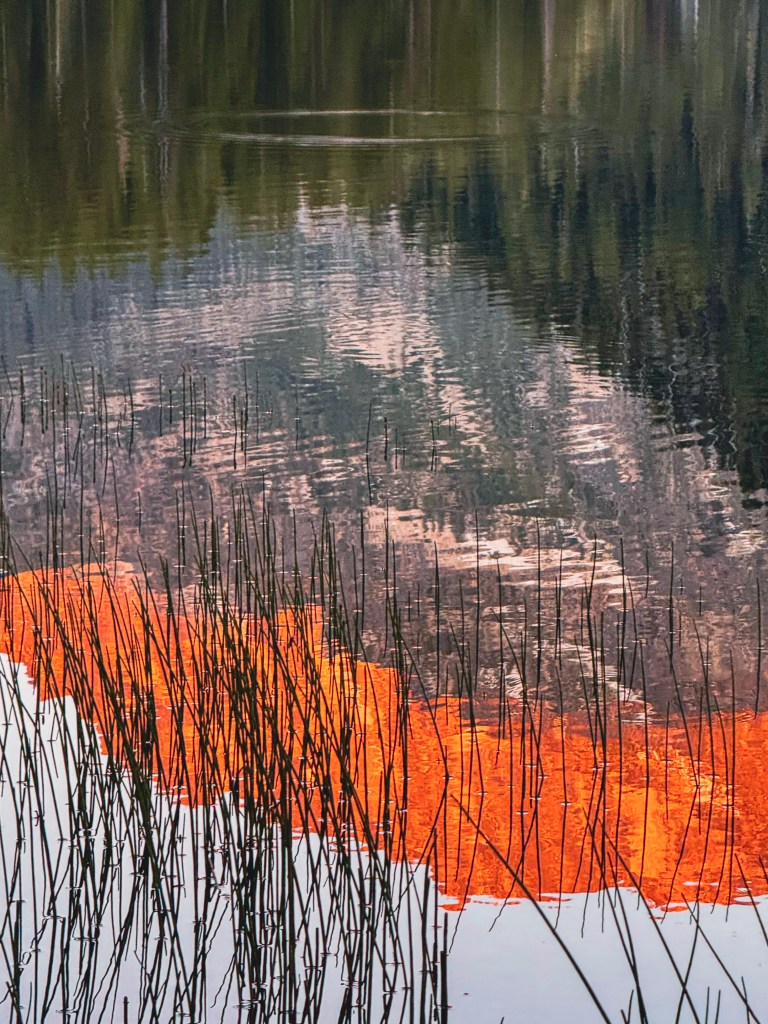
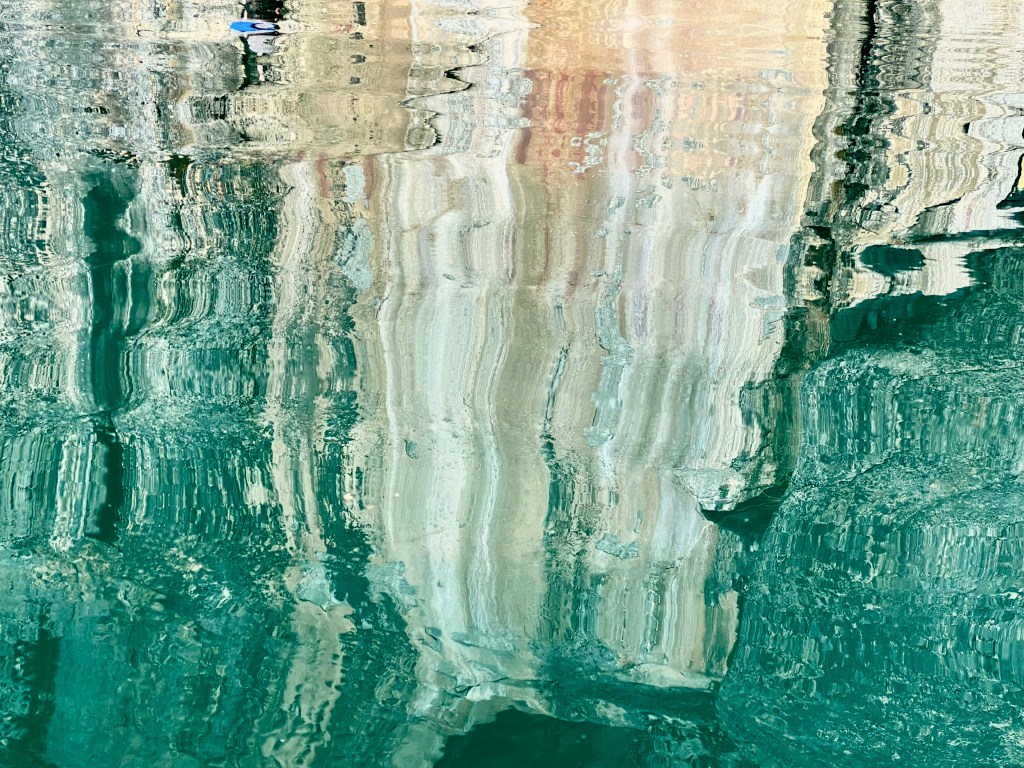
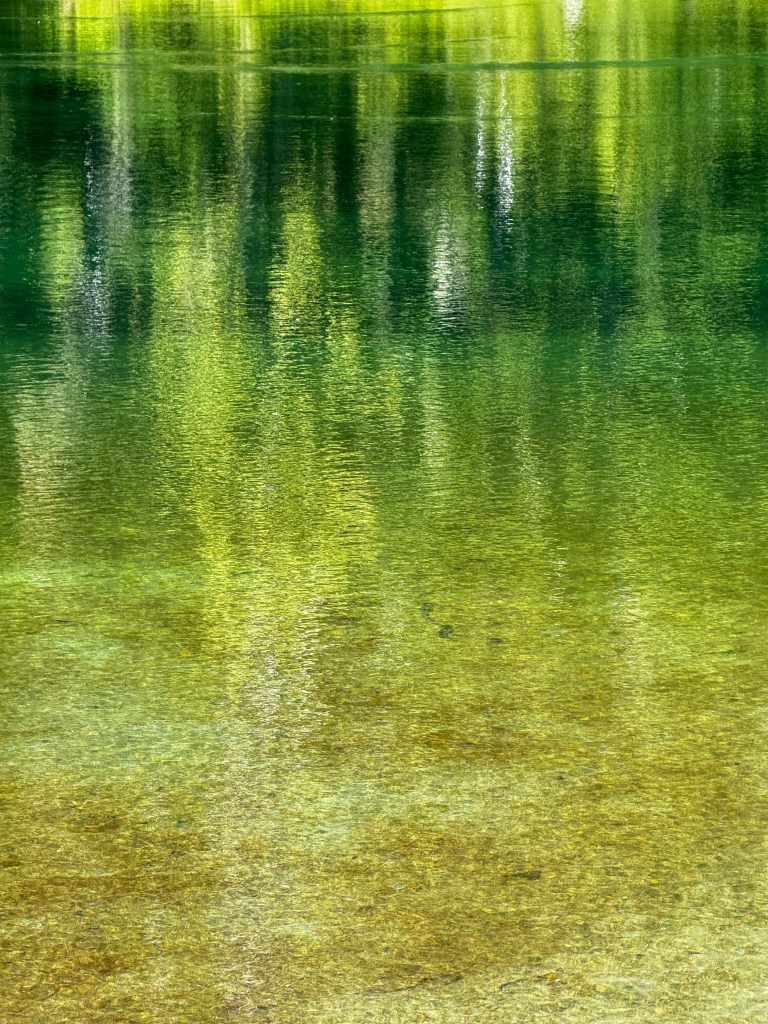
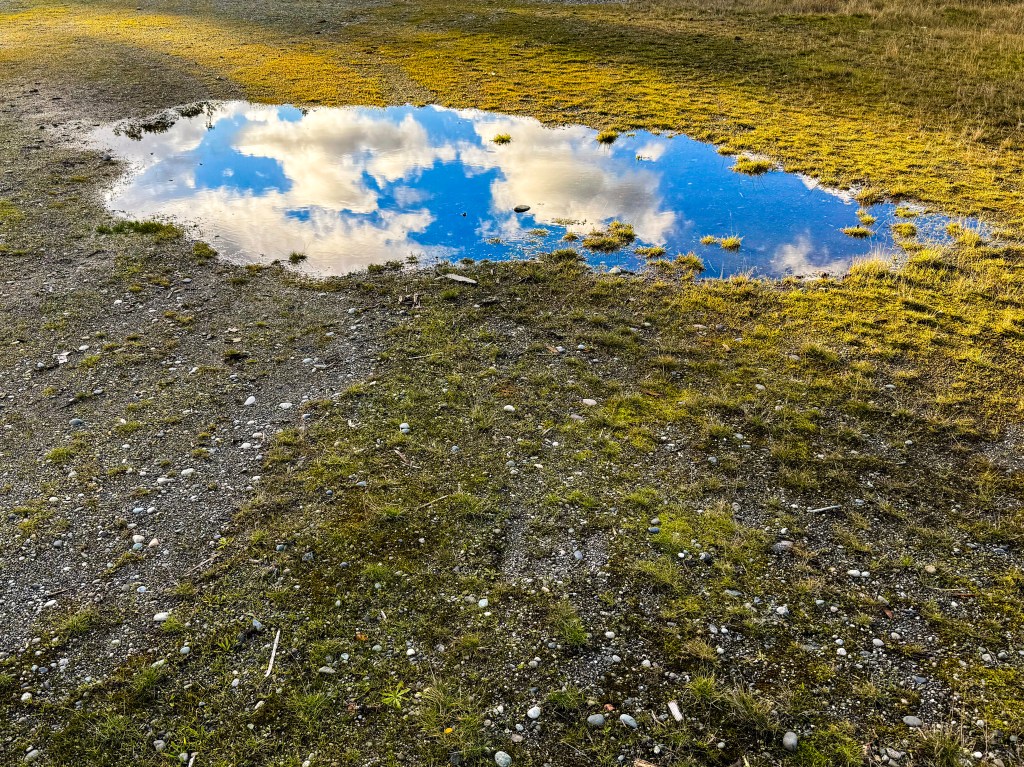
Click images below to see in slide show format with artist names and titles
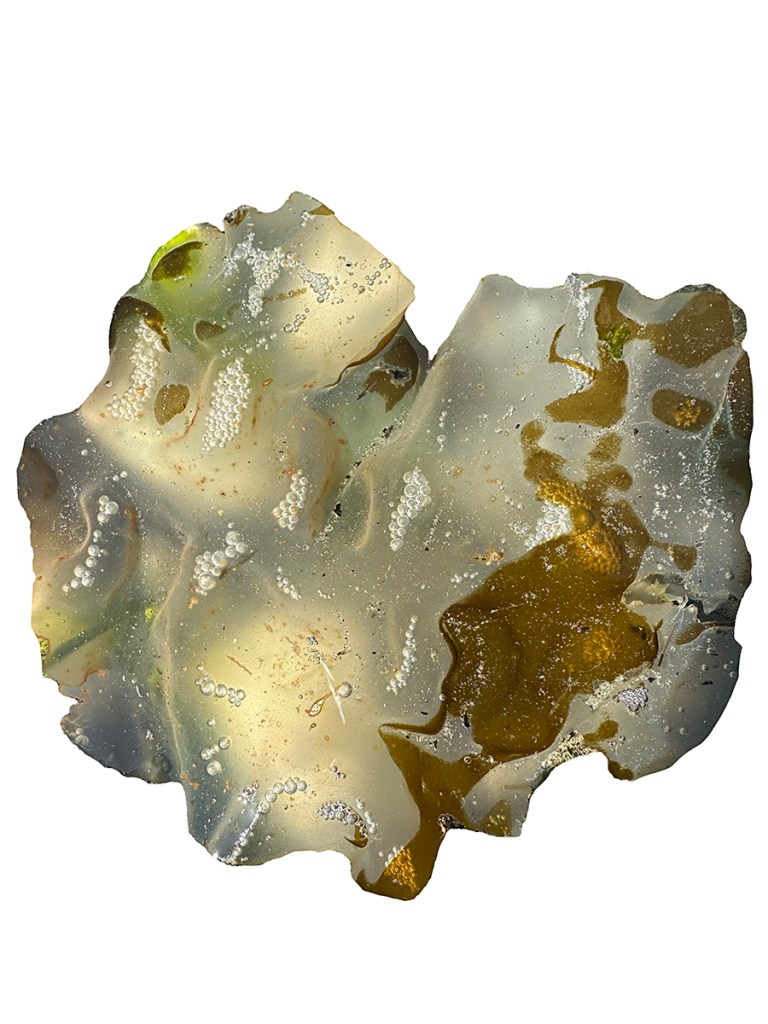
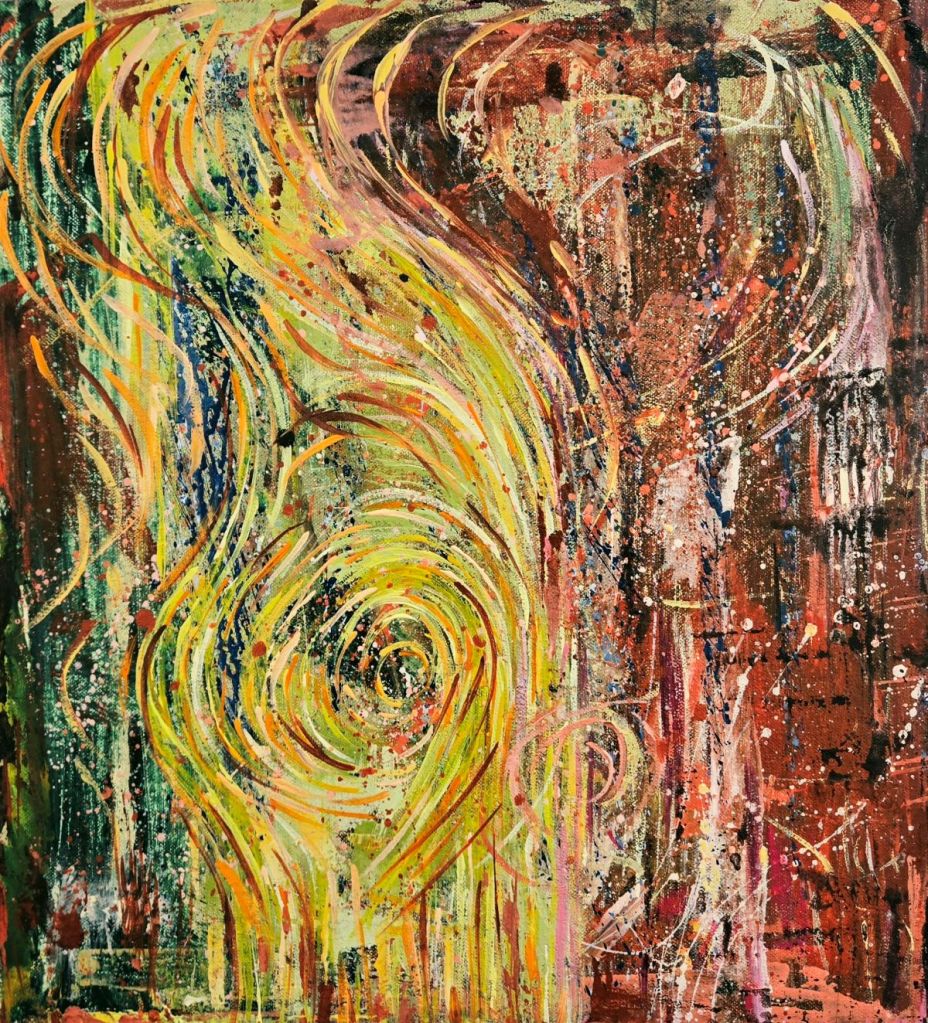
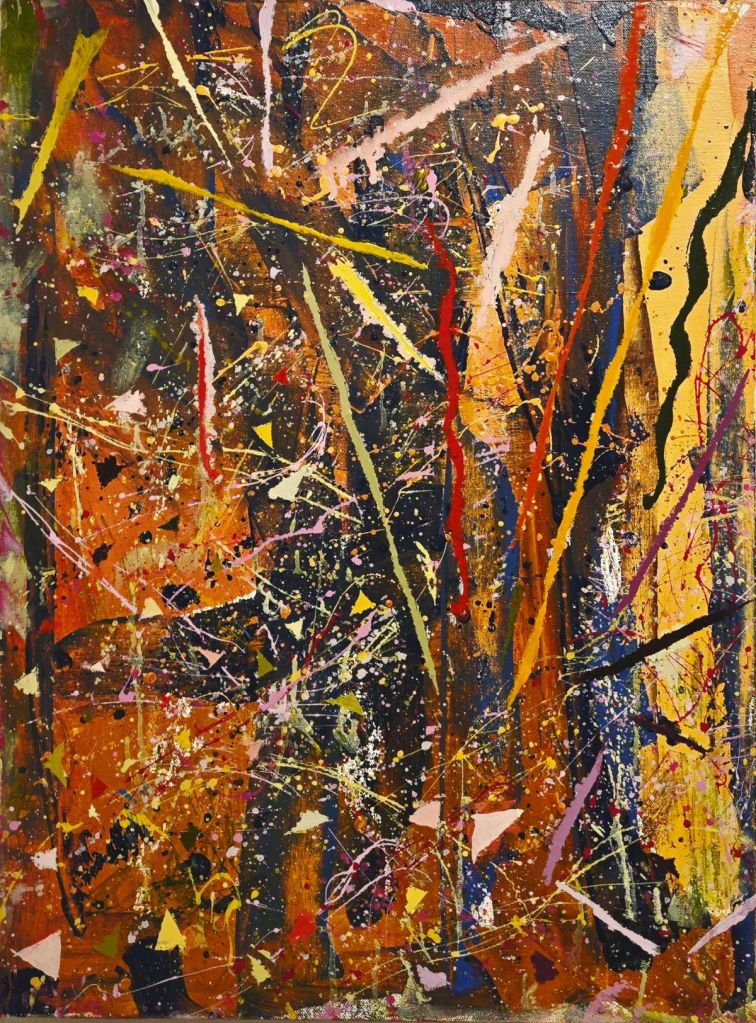
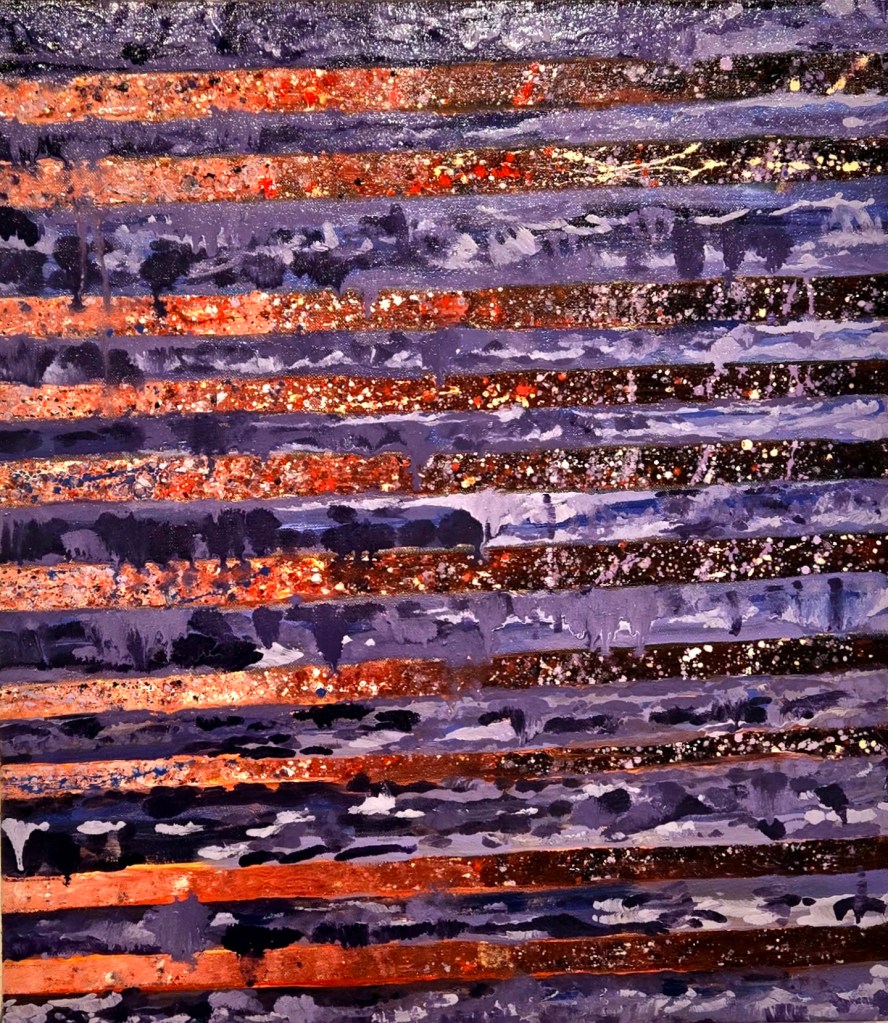
HOMAGE
A Show of Honor and Respect
Aljoya Thornton Place. 450 NE 100th St., Seattle (MAY 21 – September 19, 2026)
I get to enjoy a lot of tribute bands. My fiancé performs in several, and they re-create the music they love most. Some of it is extremely complicated; making it sound authentic is the challenge. One celebrates the music of David Byrne every time they go on stage, and another plays the ethereal, utterly original songs by The Cocteau Twins; the vocals are often made-up words by singer Elizabeth Frazer, who employed a unique way of allowing her inner songbird to shine without having to stick to the rules of vocabulary. Getting these sounds right takes practice and a great deal of study.
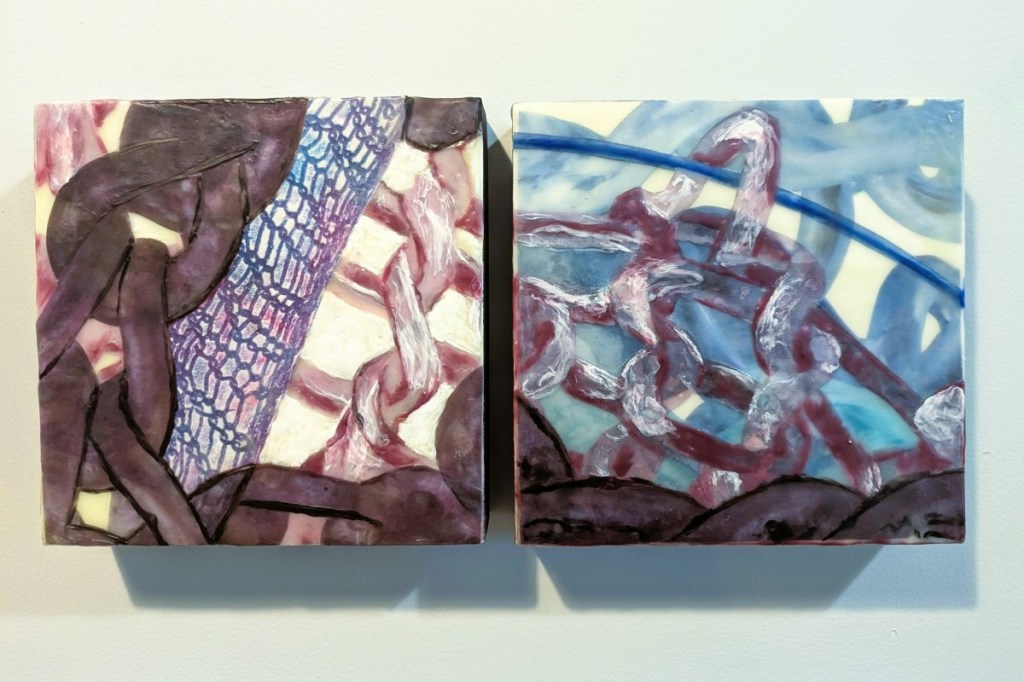
Study and practice are the case with visual art as well, only we use the word homage. It’s not a re-creation so much as a reverence in terms of style or subject matter, for example. Artwork considered homage openly and directly emphasizes the influence of another artist. Wikipedia defines it as a show or demonstration of respect . . . a term often used in the arts where one author or artist shows respect to another by allusion or imitation. It could be as simple as working on unprimed canvas with the acknowledgment of the great Hellen Frankenthaler who envisioned the technique and mastered it vibrantly. Paying homage could be allowing the genre of minimalism to influence your handling of materials, or fashioning motifs and forms one has appreciated, current or historical, in new ways. Honoring the greats of previous generations acknowledges their historic significance. My personal deference points to the late Louise Bourgeois; her impact is apparent in much of my work, be it sculpture, painting, or a piece on paper. Her work and words formed a substrate upon which I could build.
The art in this exhibit was chosen because it honors the work of another artist in some capacity, whether borrowing a particular aesthetic, palette, materials, or philosophy. Afterall, we mimic to learn. We push further to make it our own.
Enjoy the exhibit,
-Stephanie Hargrave, Artist / Curator
ARTIST TALK BY KATE PETTY JUNE 26, 3PM
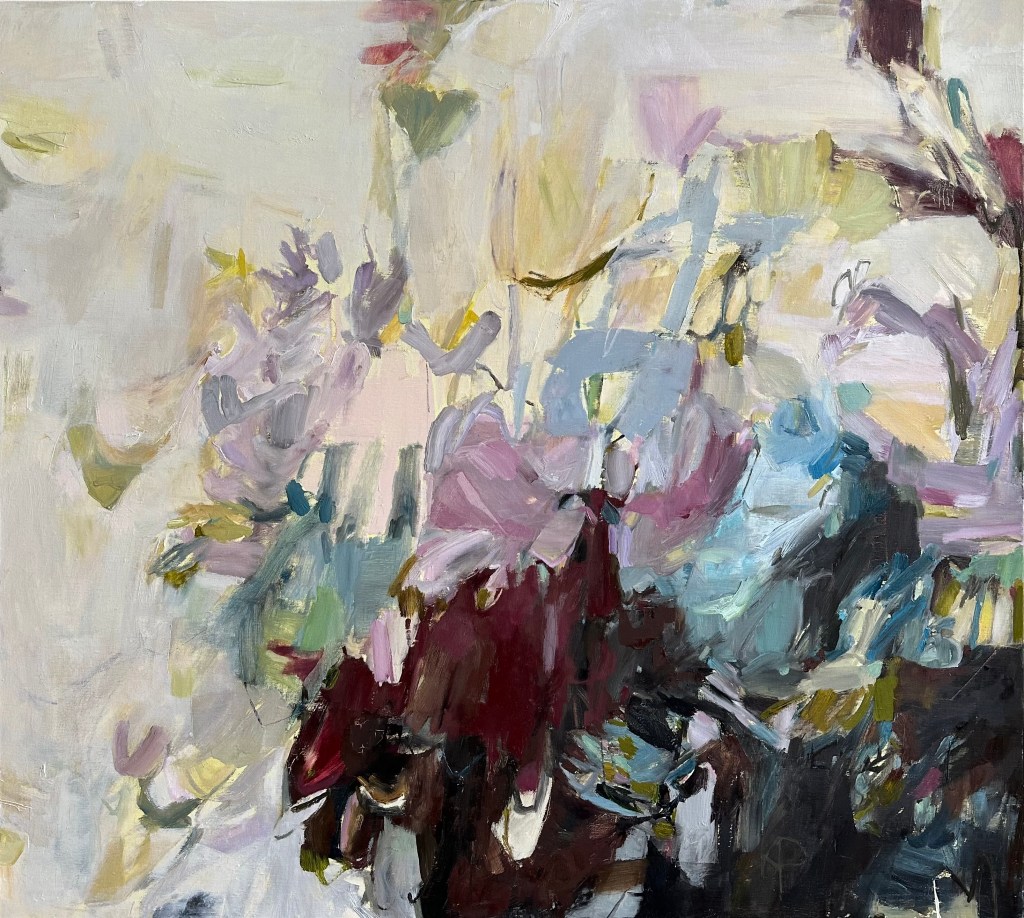
Join Seattle artist Kate Flückinger Petty for a thought-provoking talk exploring the universal experiences of change, memory, grief, beauty, and renewal. She will share the stories, creative process, and life experiences that inform her work, offering a conversation about creativity, reflection, resilience, and what it means to stay awake to the richness of life.
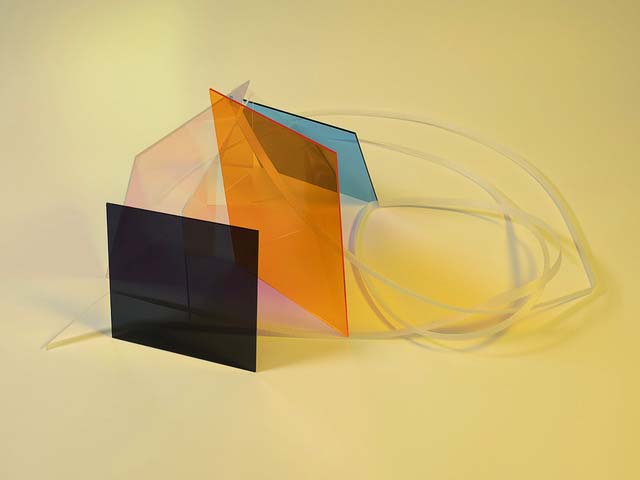
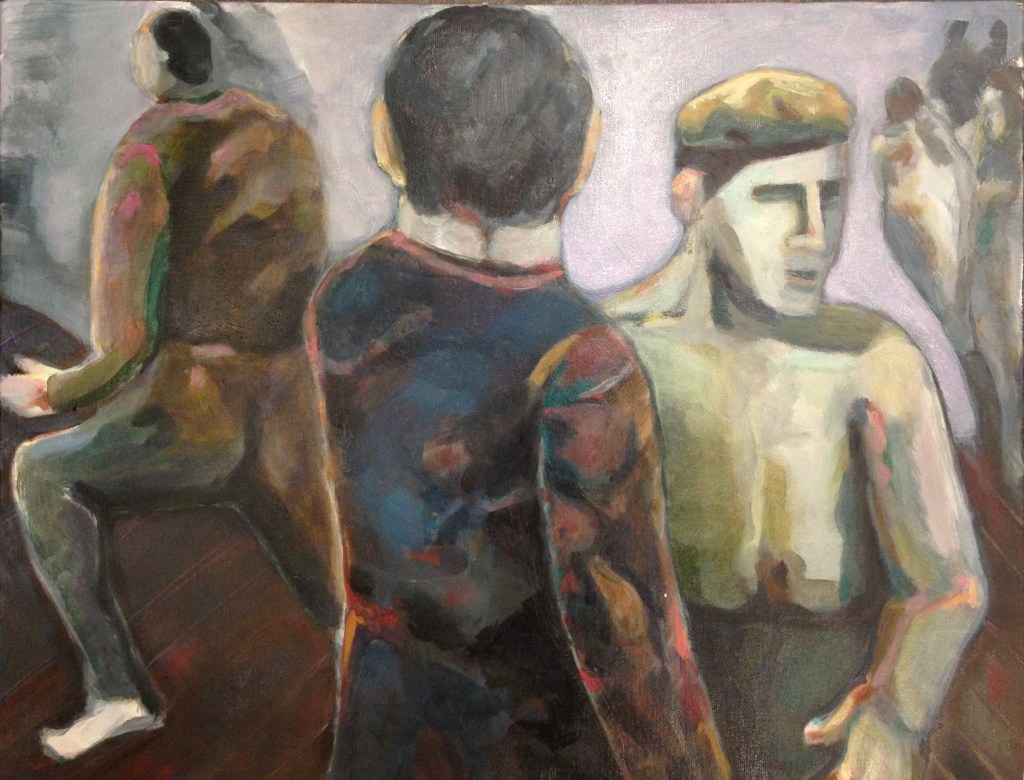
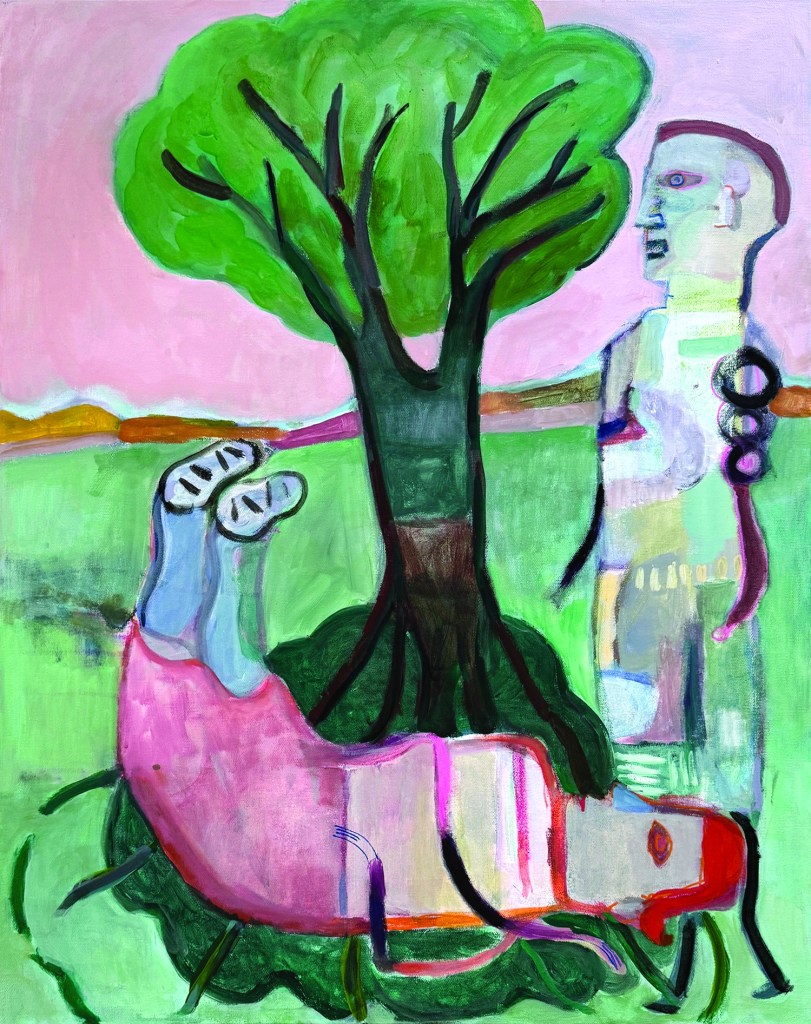
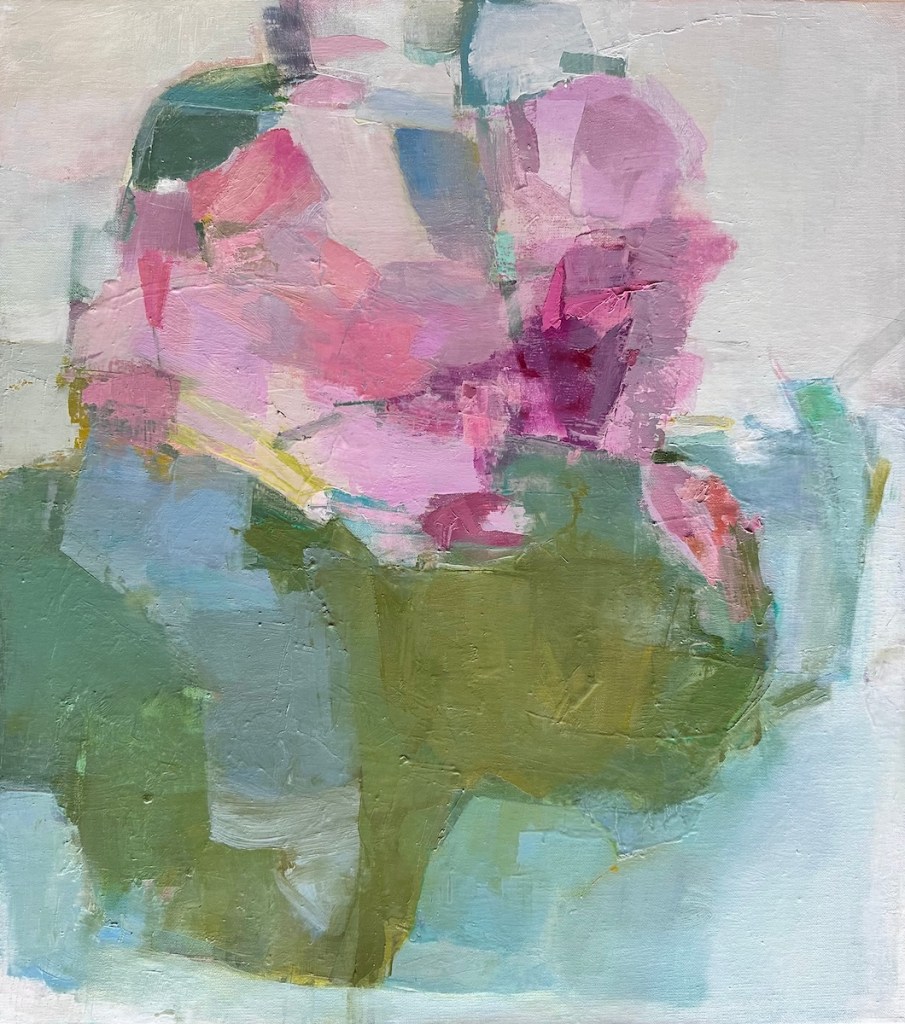
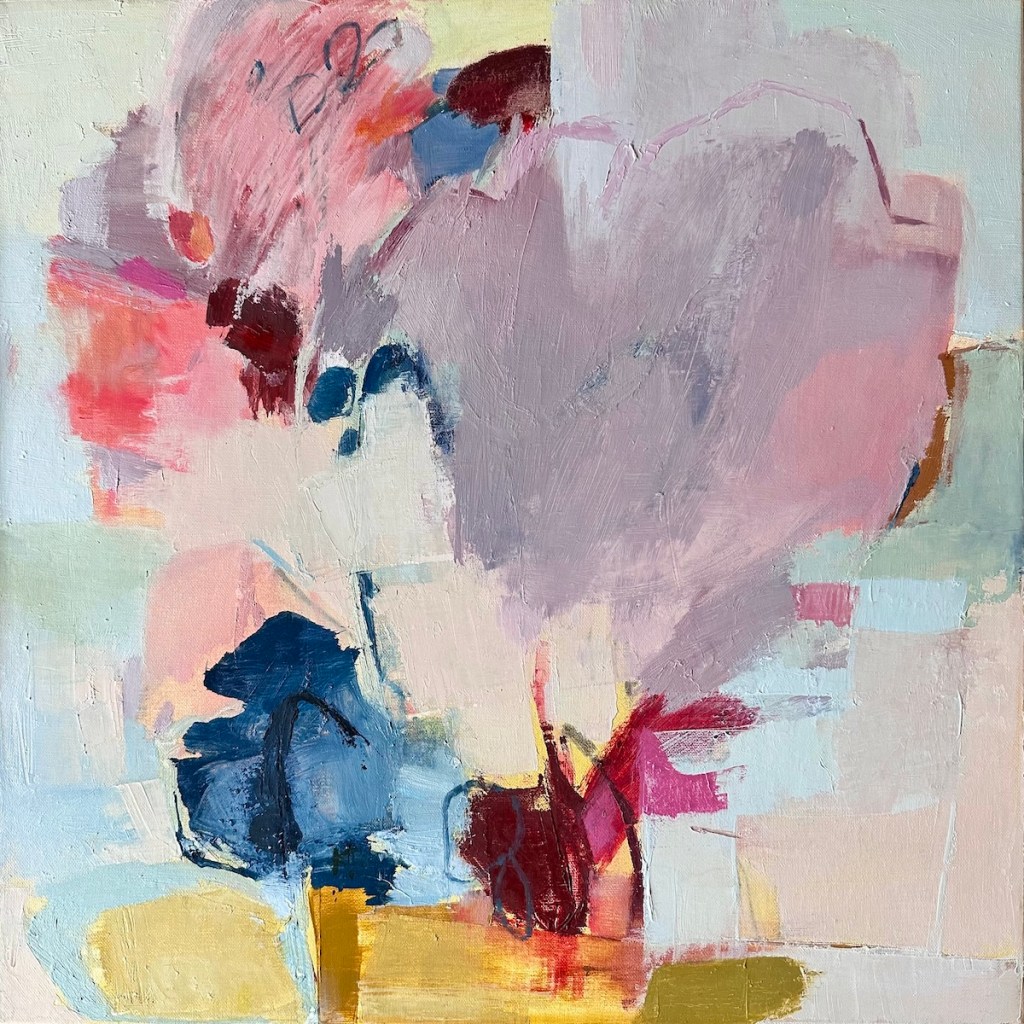
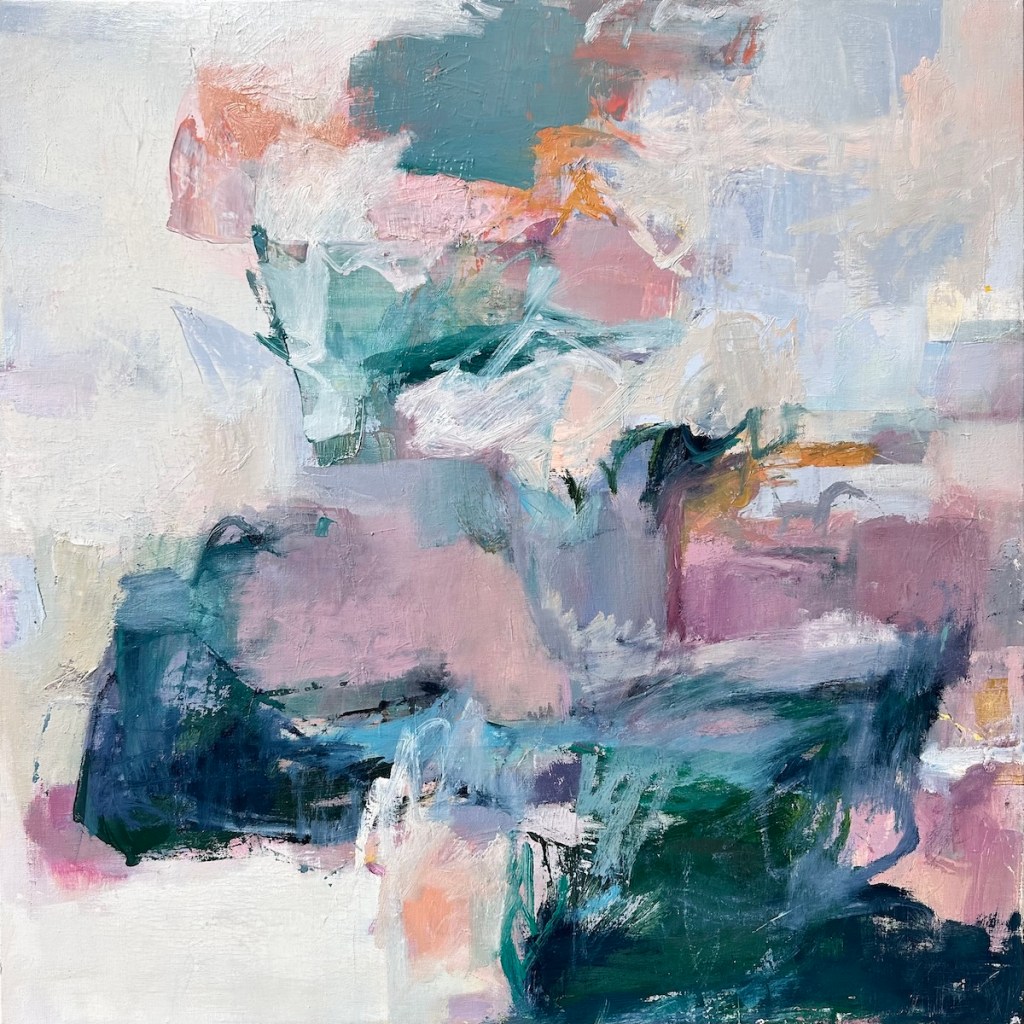
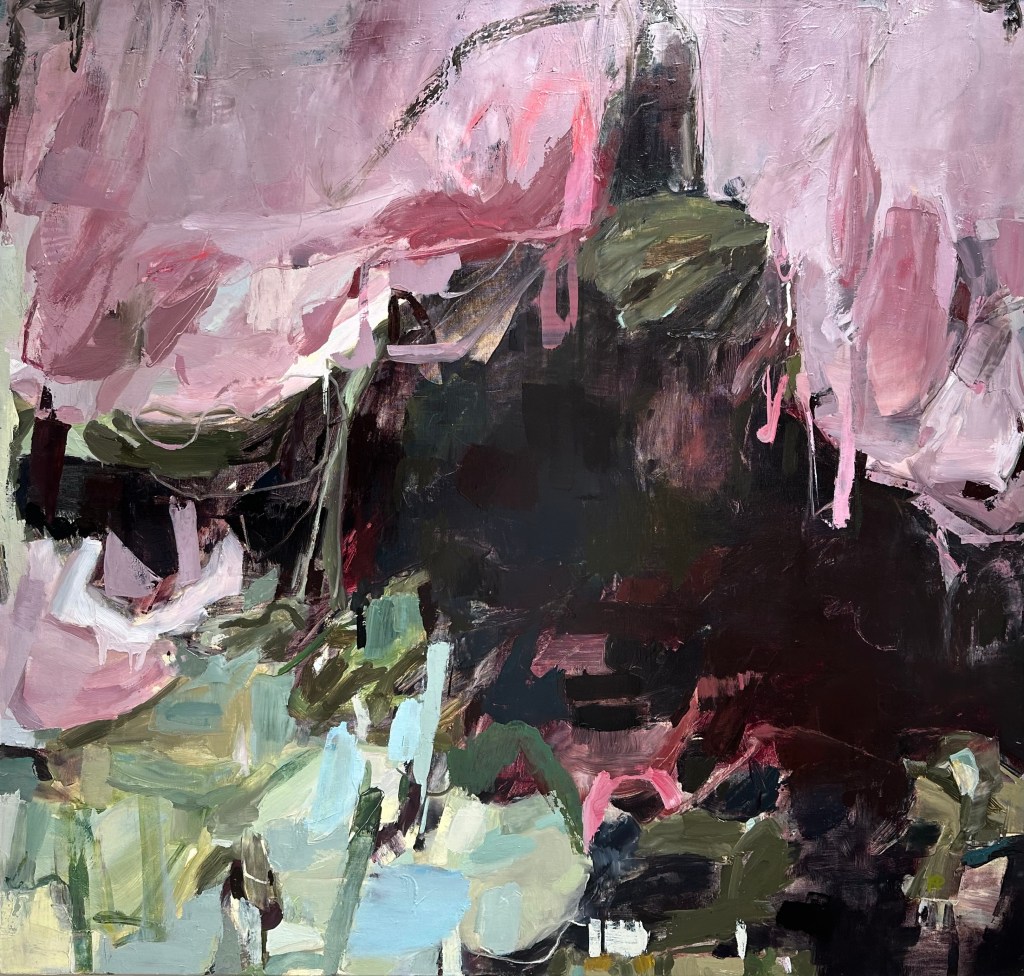
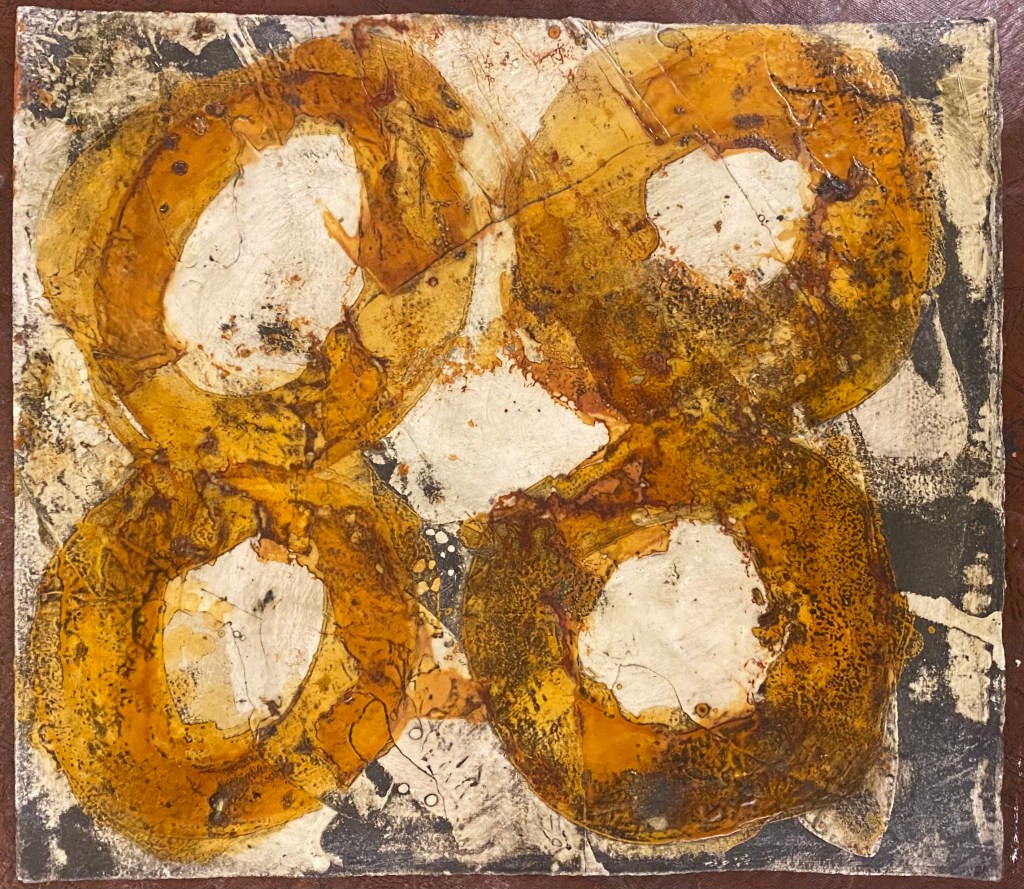
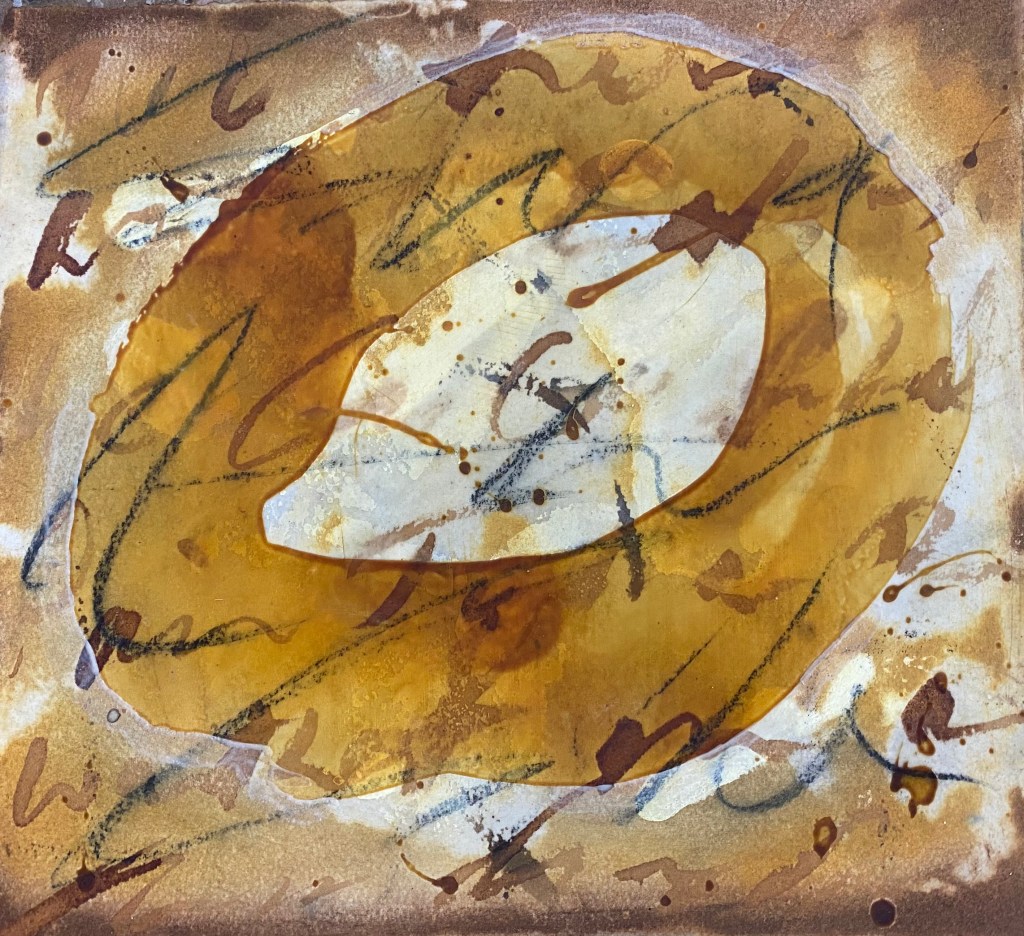
Kate Flückinger (Petty) is a process-driven expressionistic oil painter. She finds inspiration in the beauty of the natural world – and in cycles of life: organic matter and processes morphing and dissolving – in cycles of love and loss: with colors of decay commingling and reflecting emotional environments, moments, and entanglements – and in the intersection of grief and gratitude. Through abstracted forms, landscapes, flora, fauna, and figures, Kate strives to convey a kind of meaningful chaos, moxie, reverie, a quality of being, temporality, and eternality.
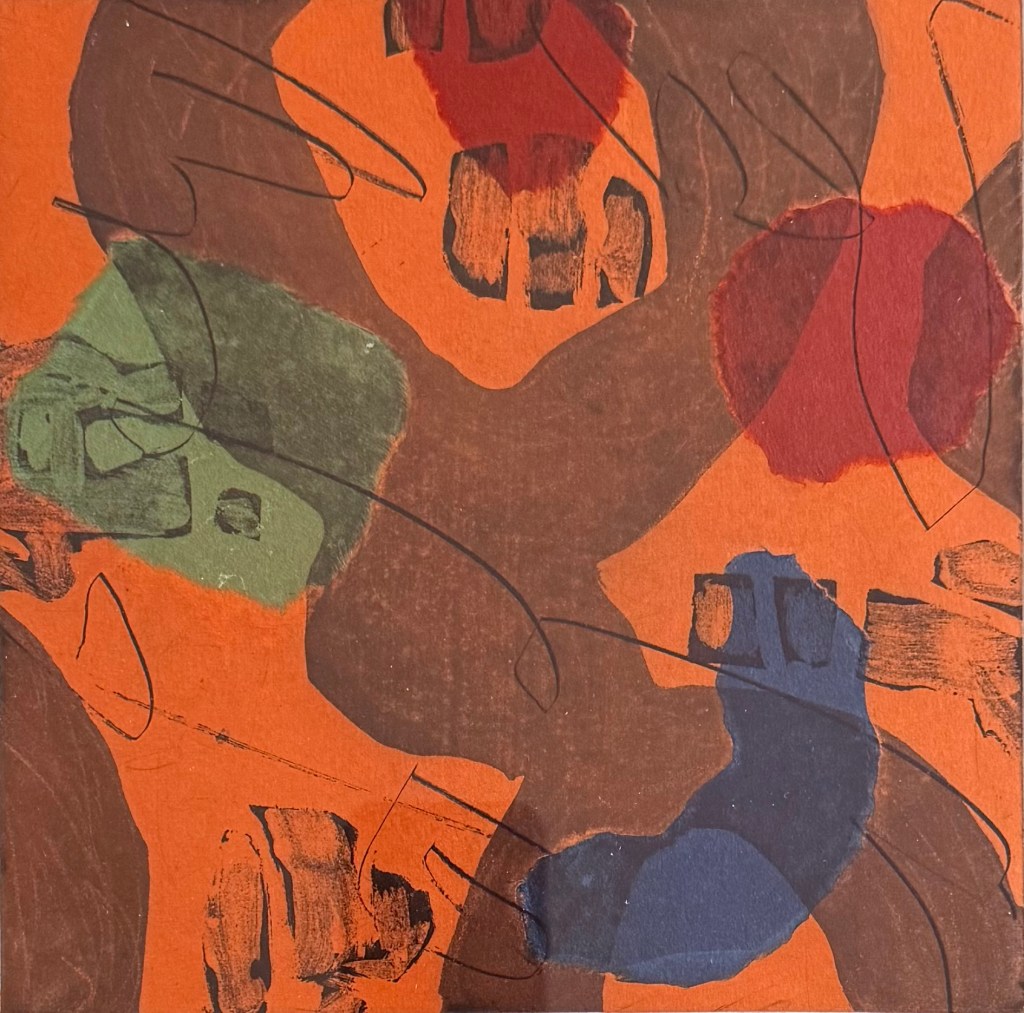
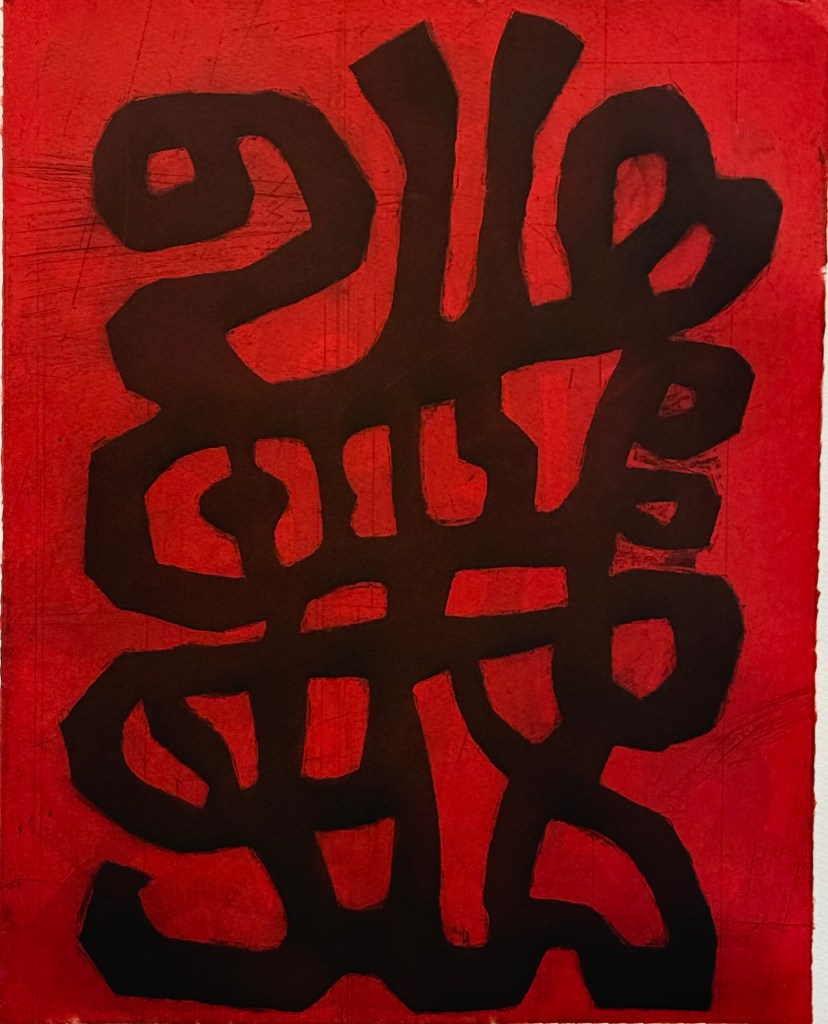
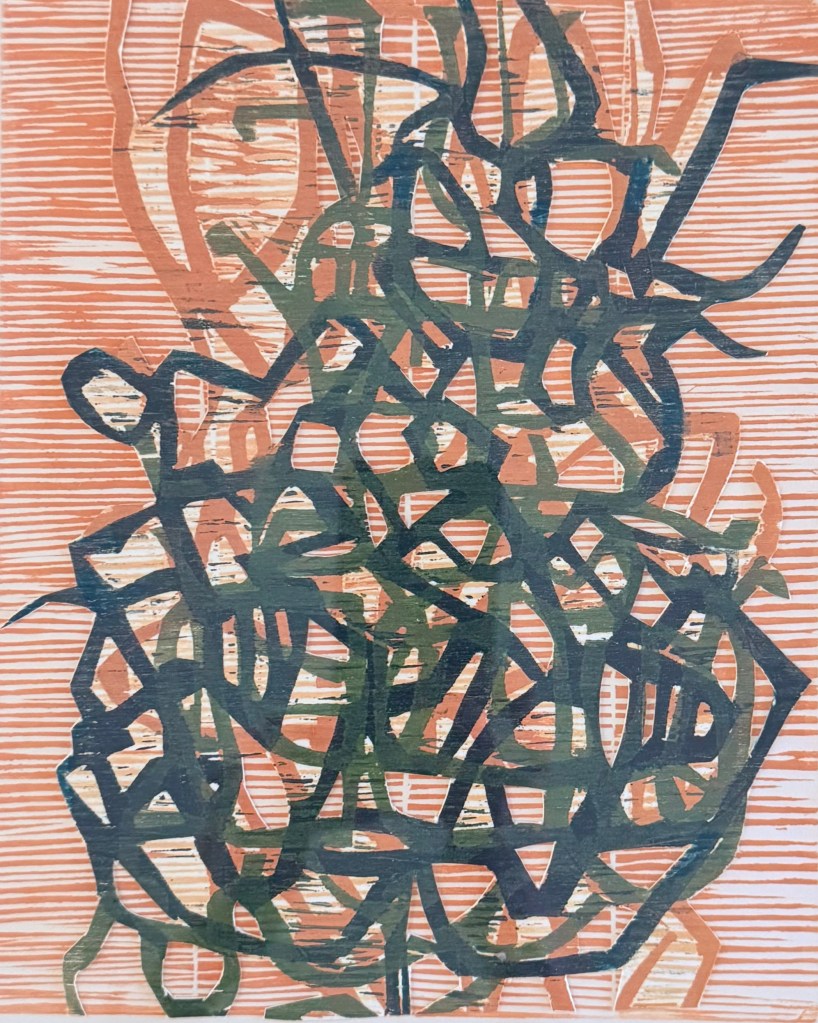
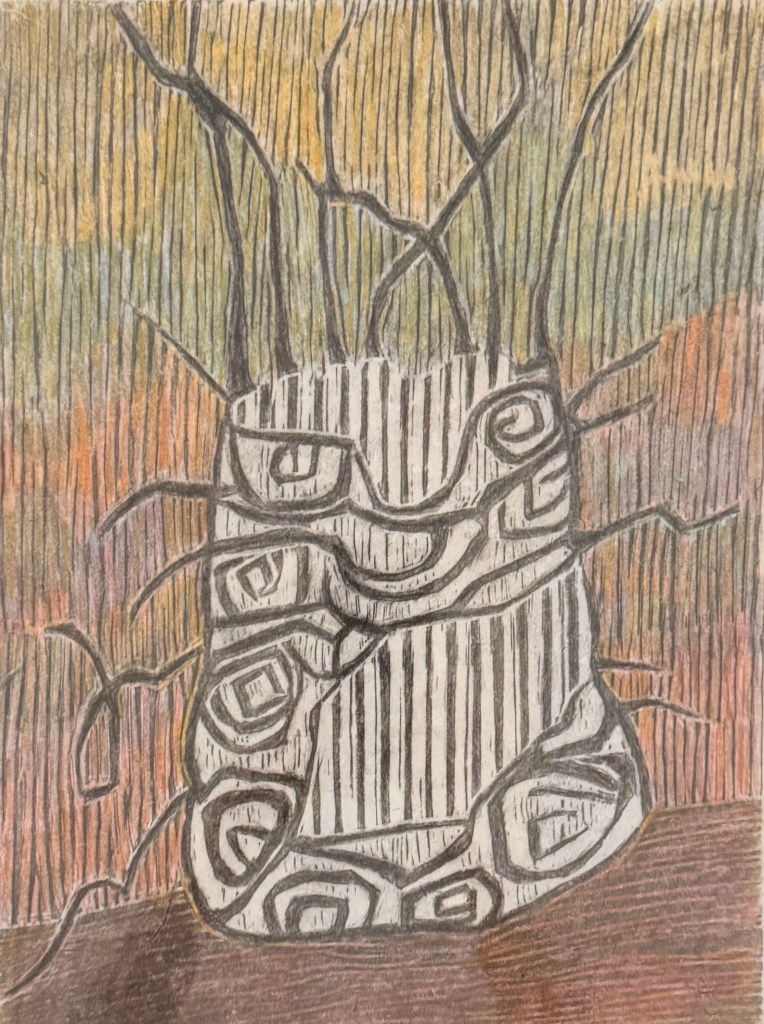
Click images below to see in slide show format with artist names and titles
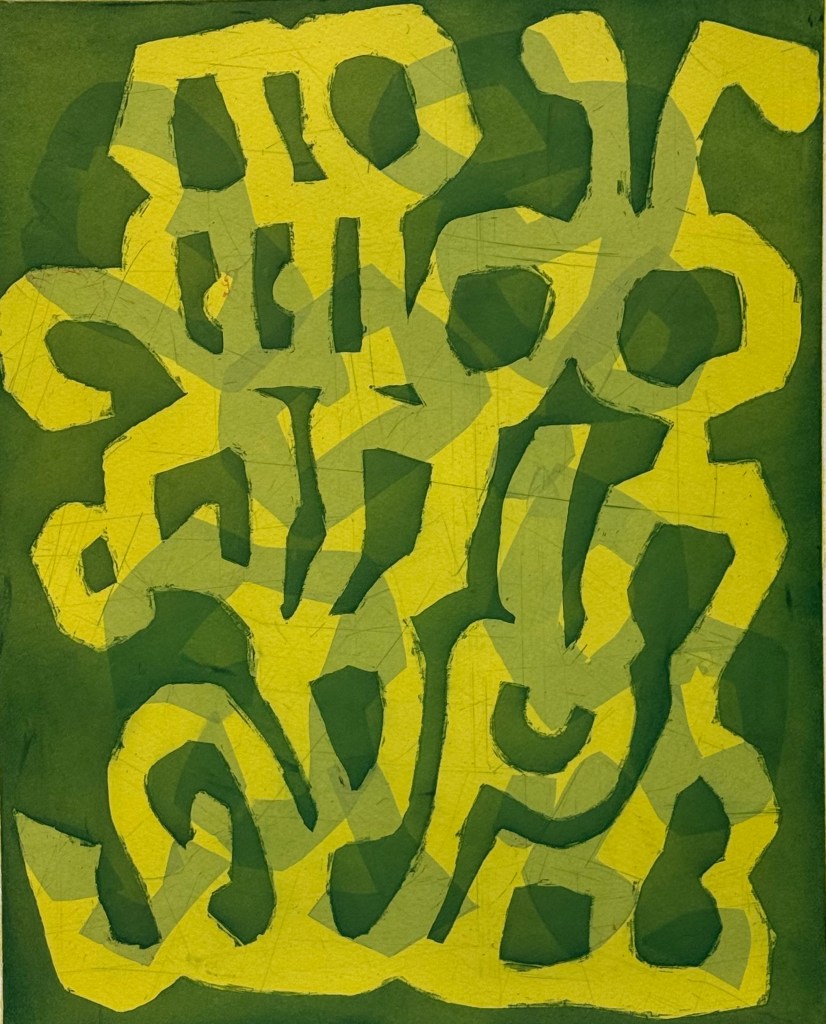
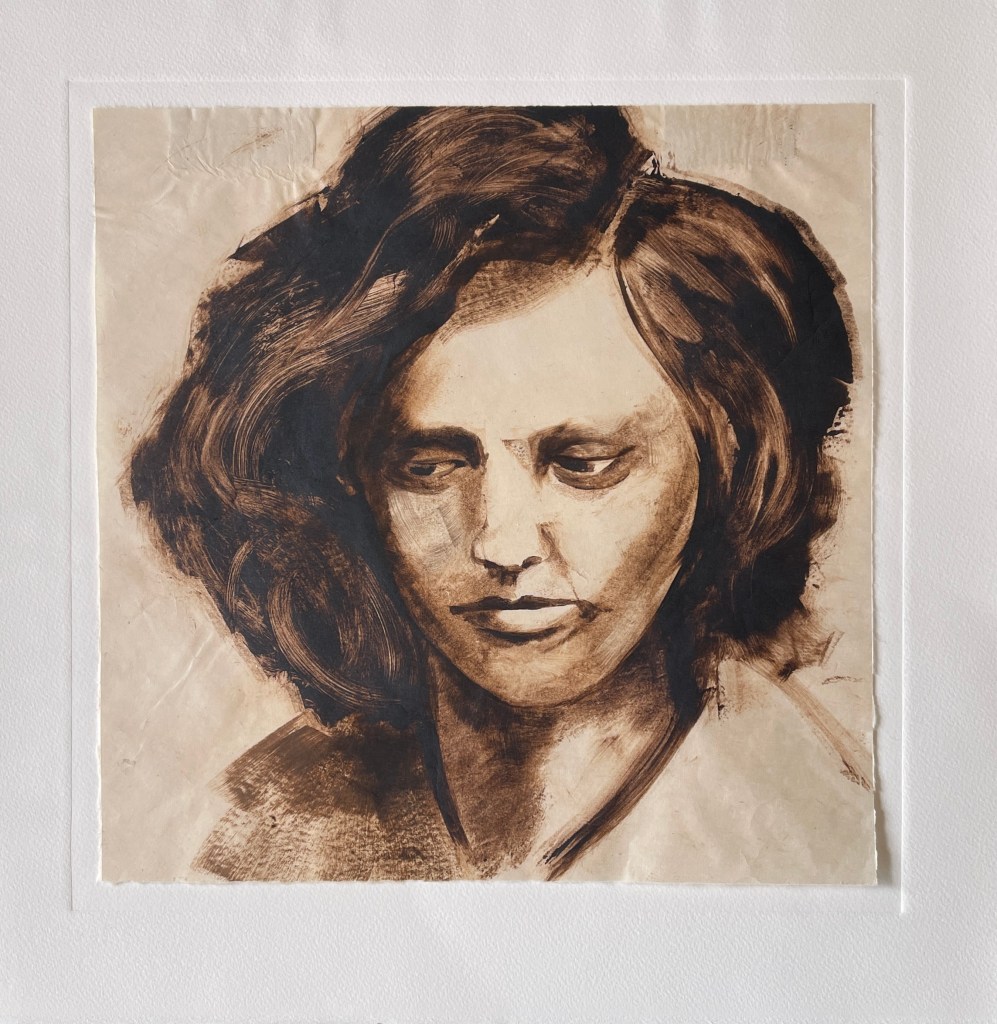
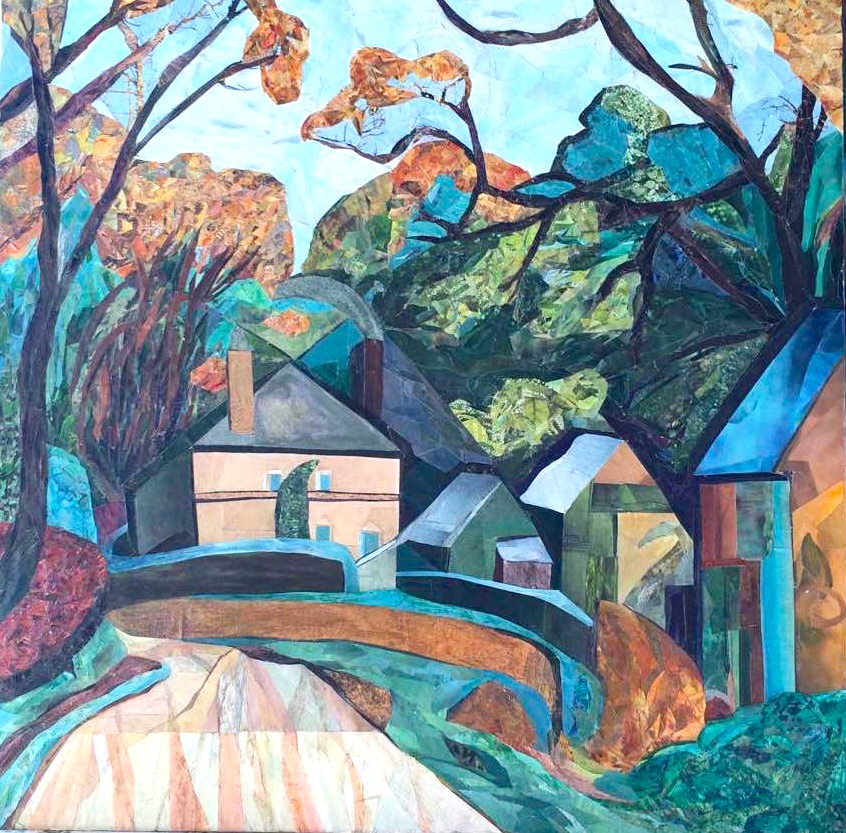
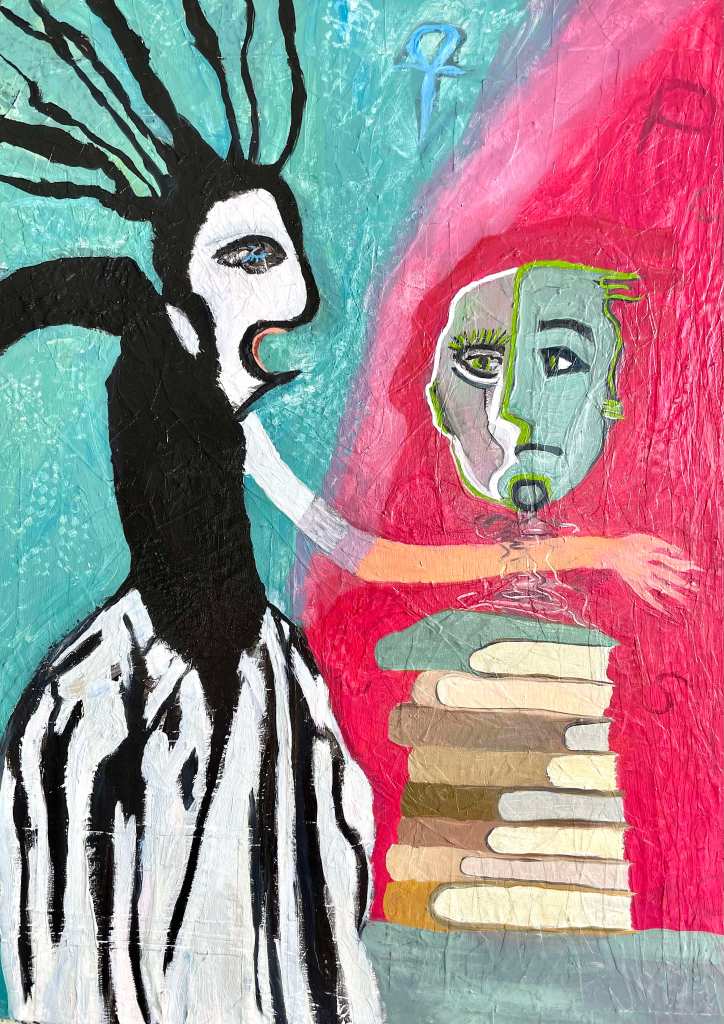
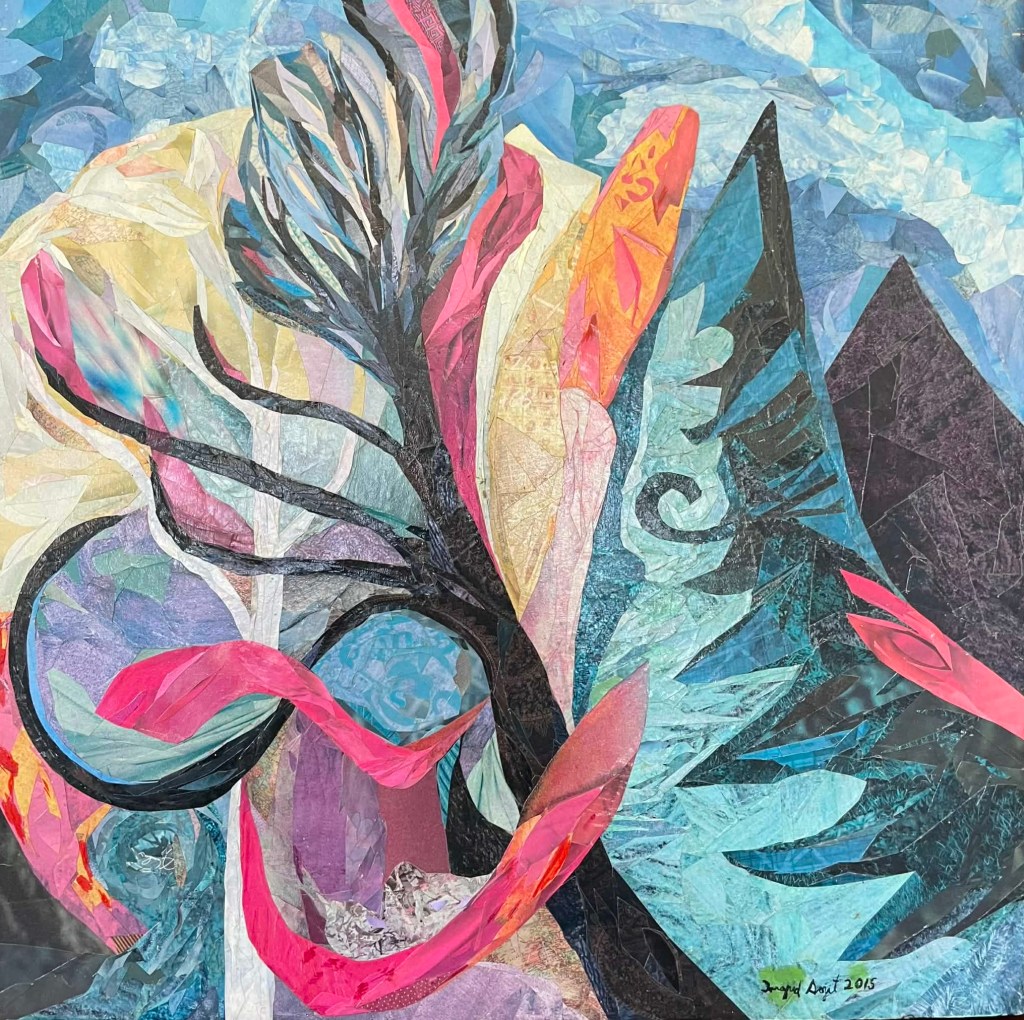
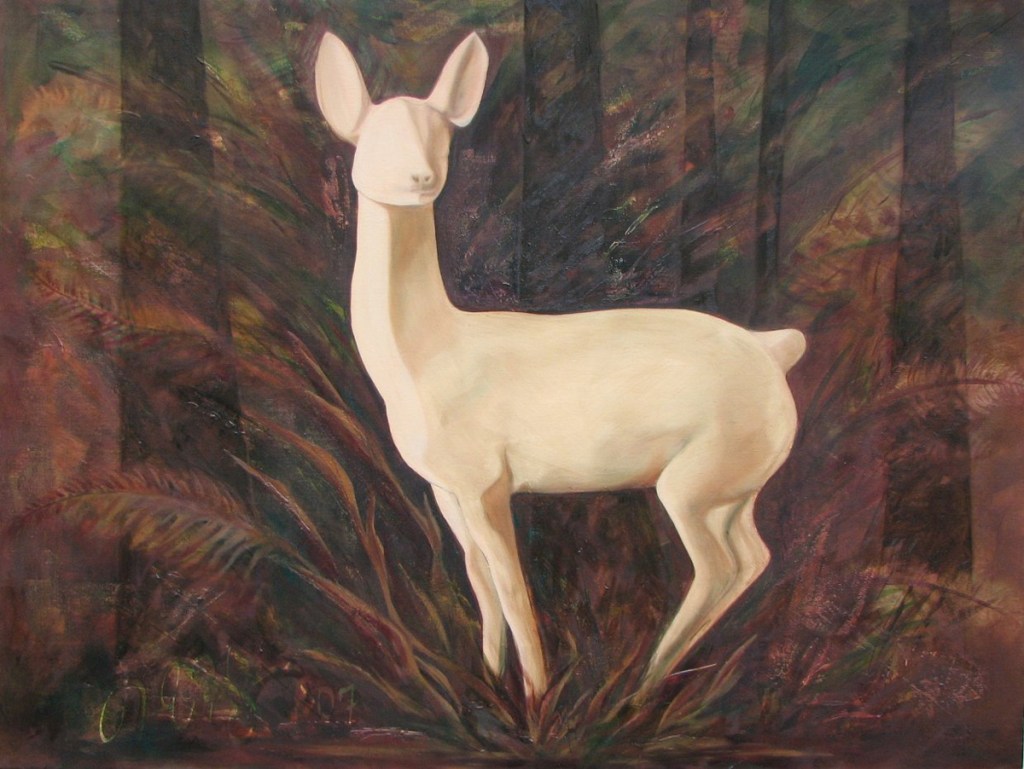
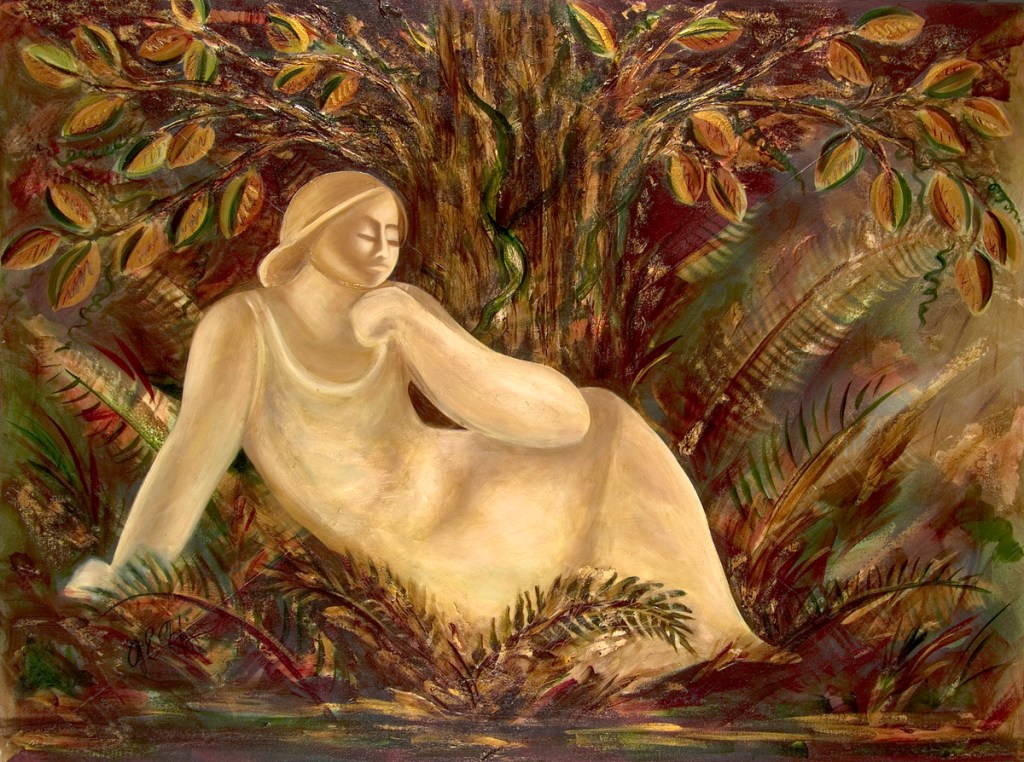
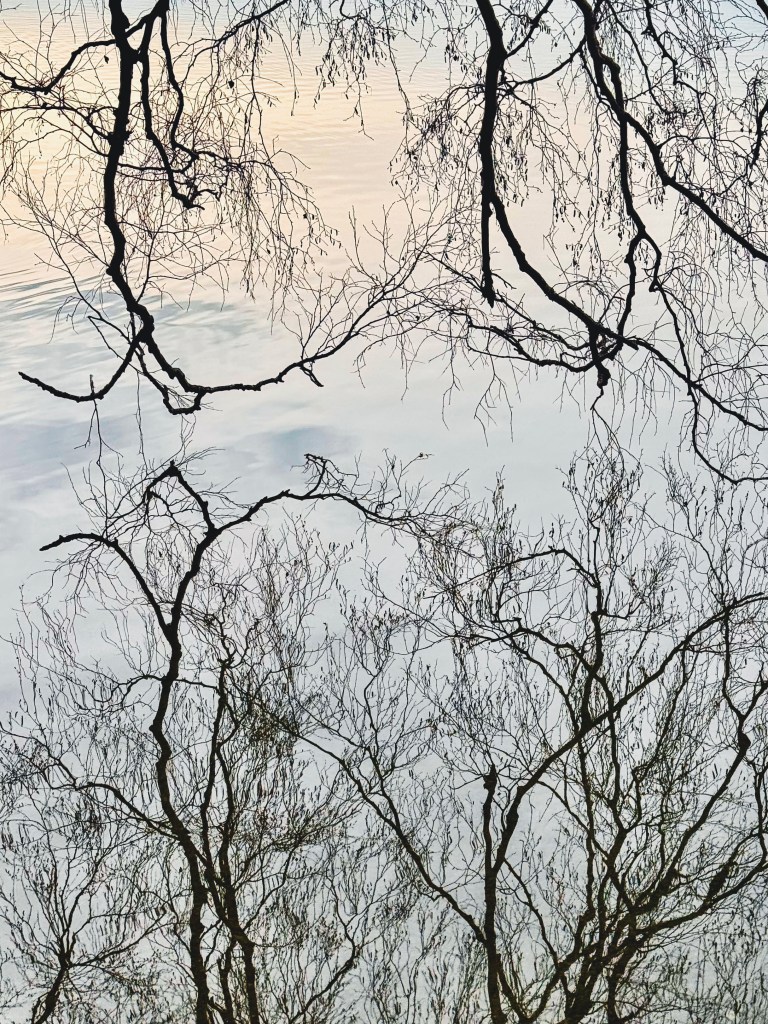
PARTICIPATING ARTISTS (CLICK NAMES FOR WEBSITES):
JULIE BIGGS
THE SUPPLE LINE
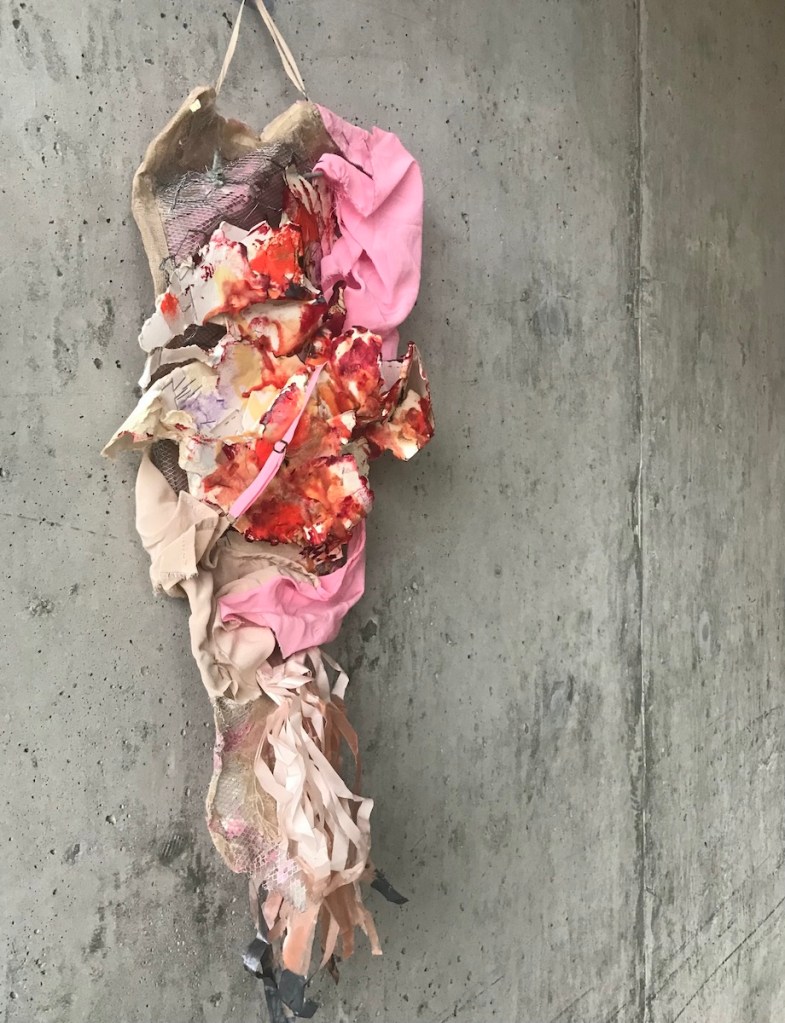
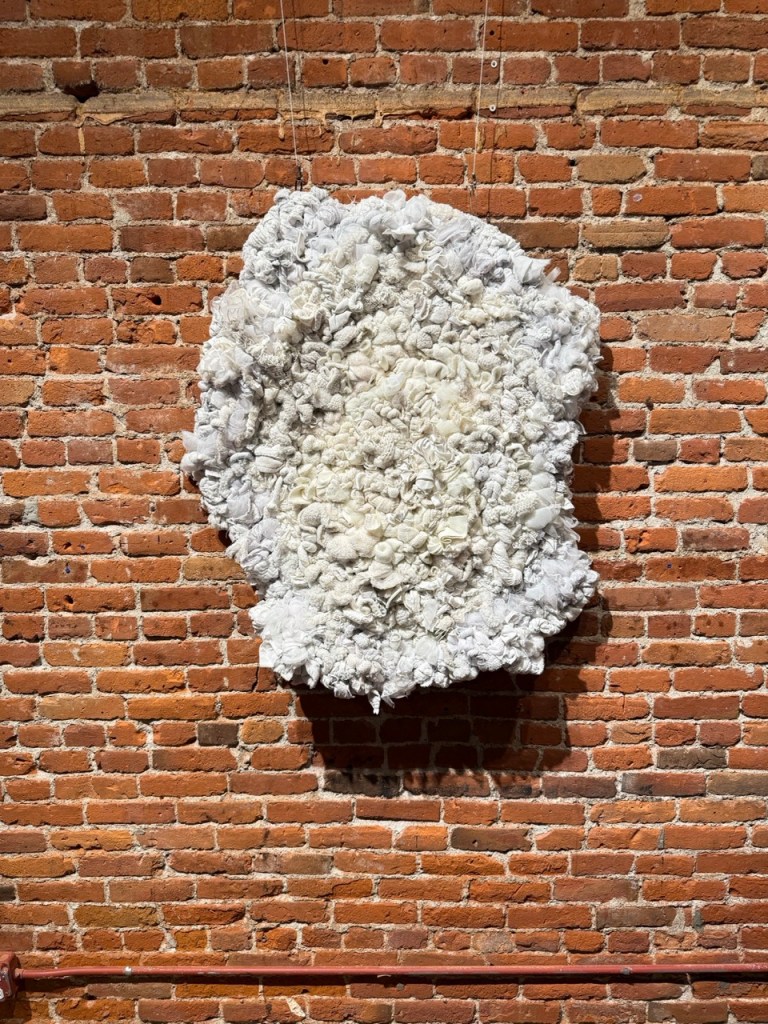
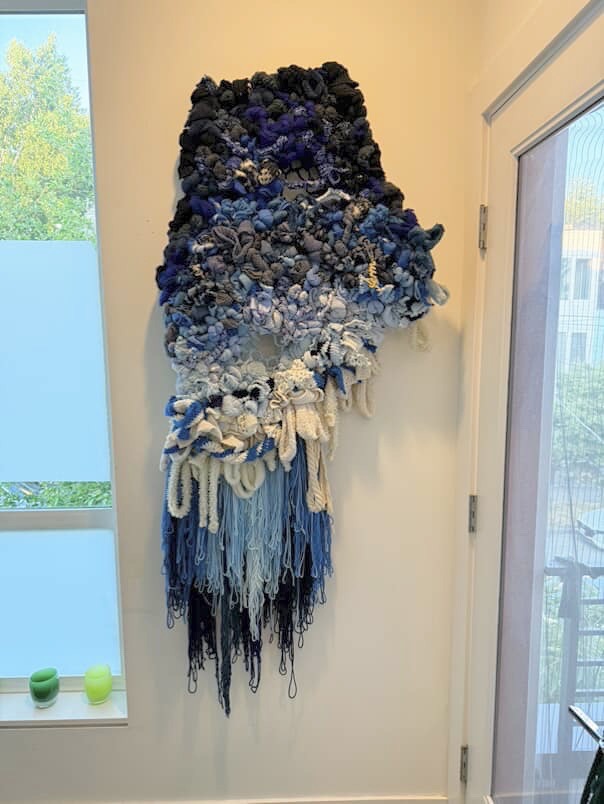
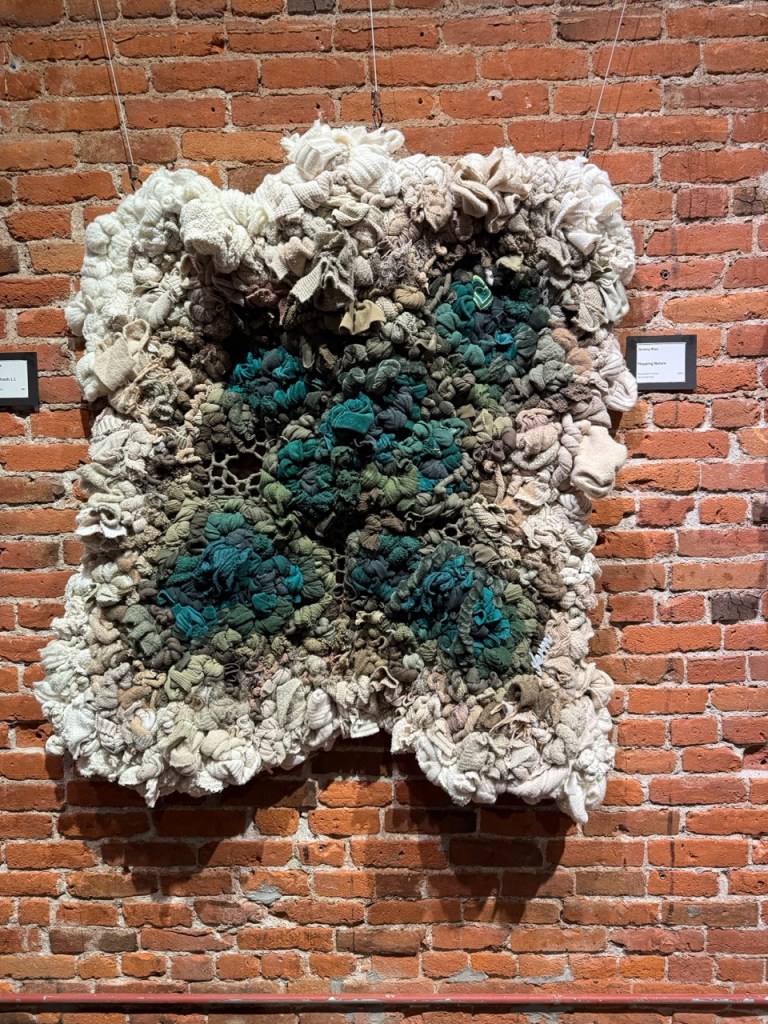
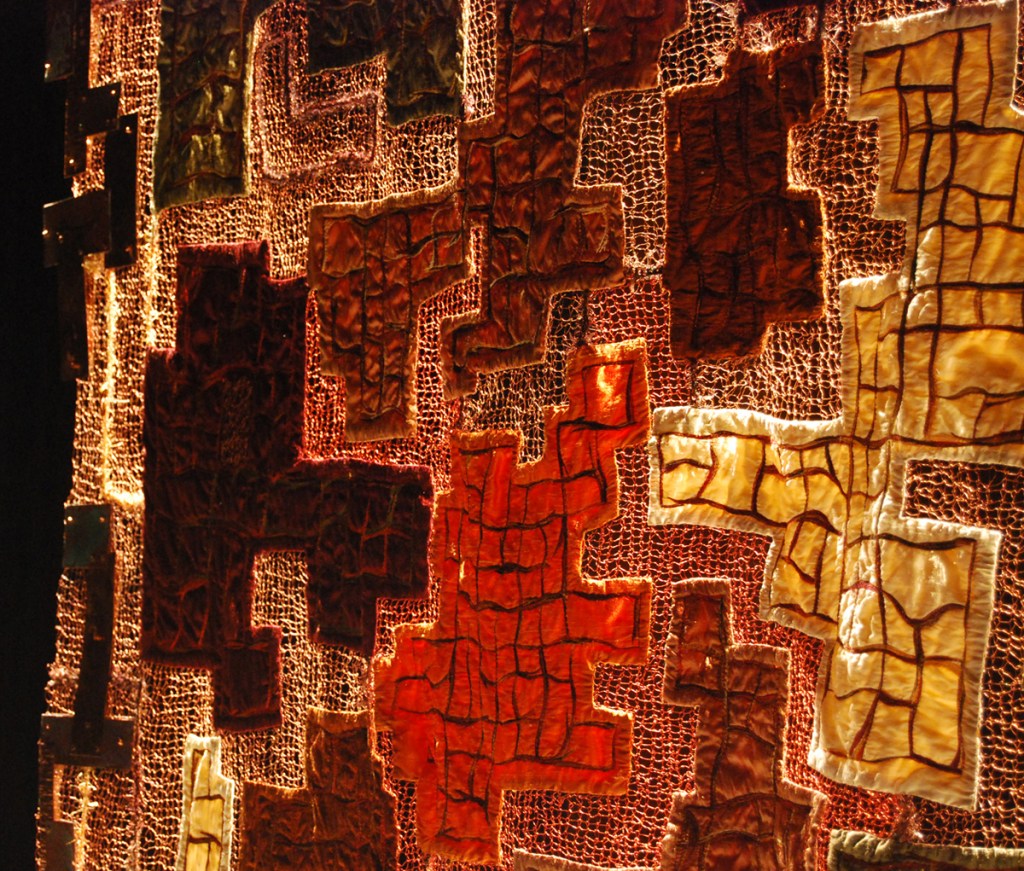
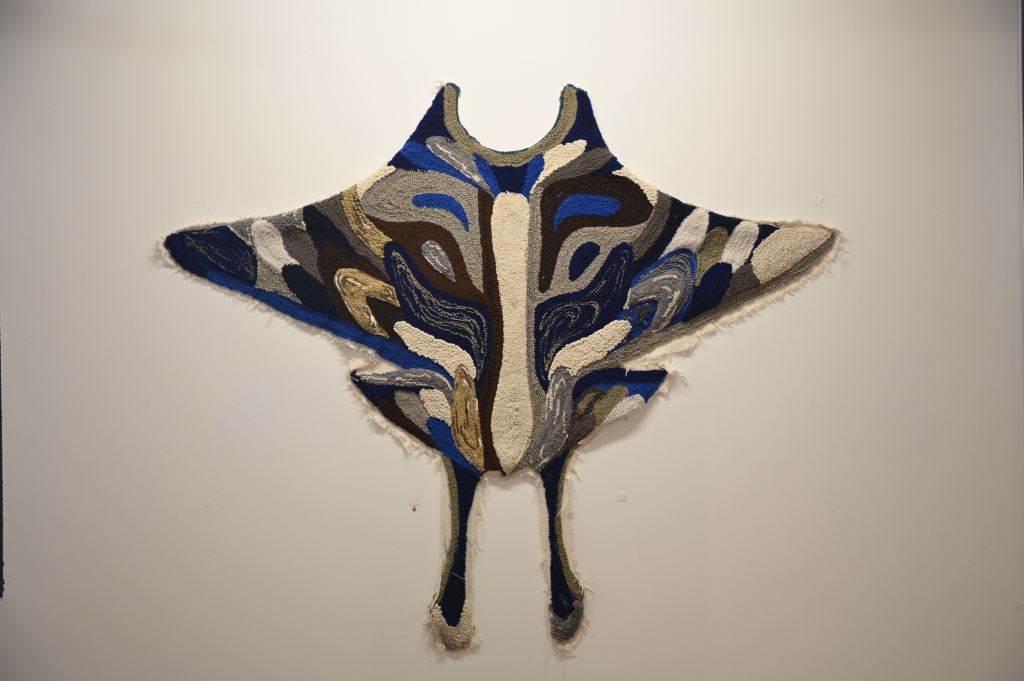
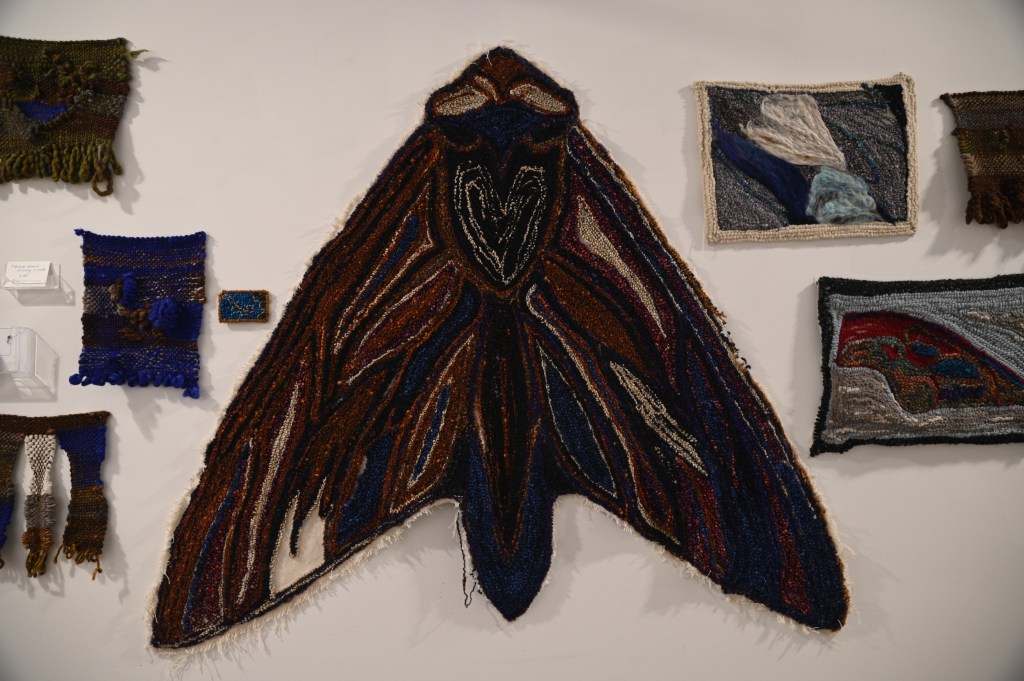
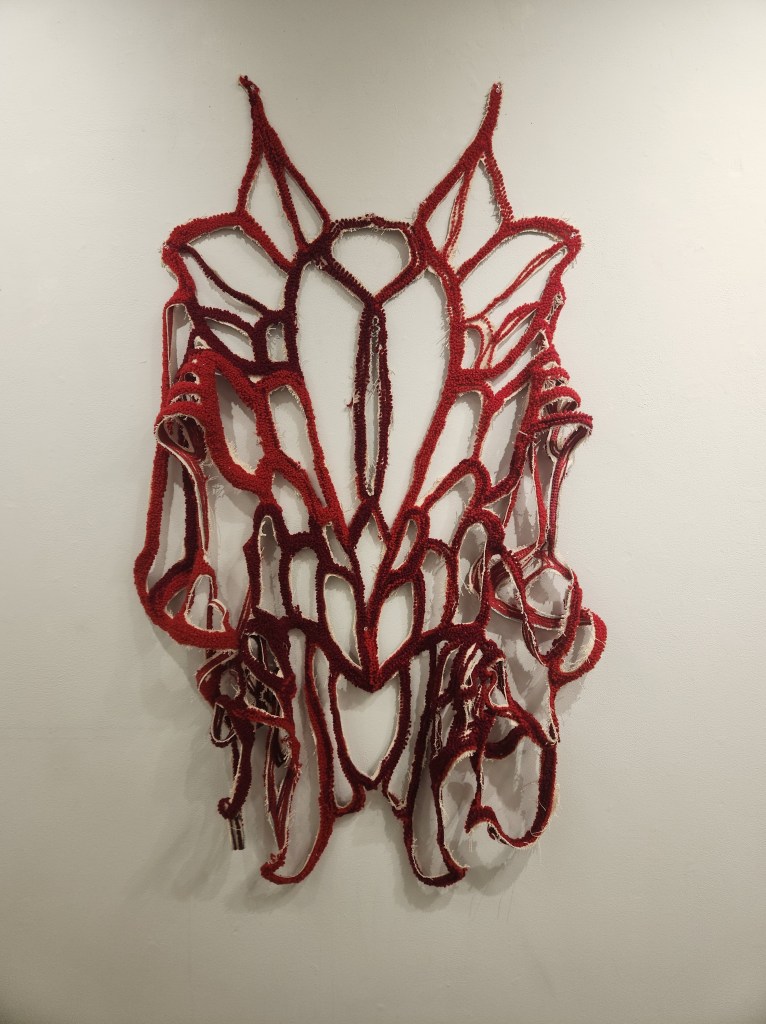
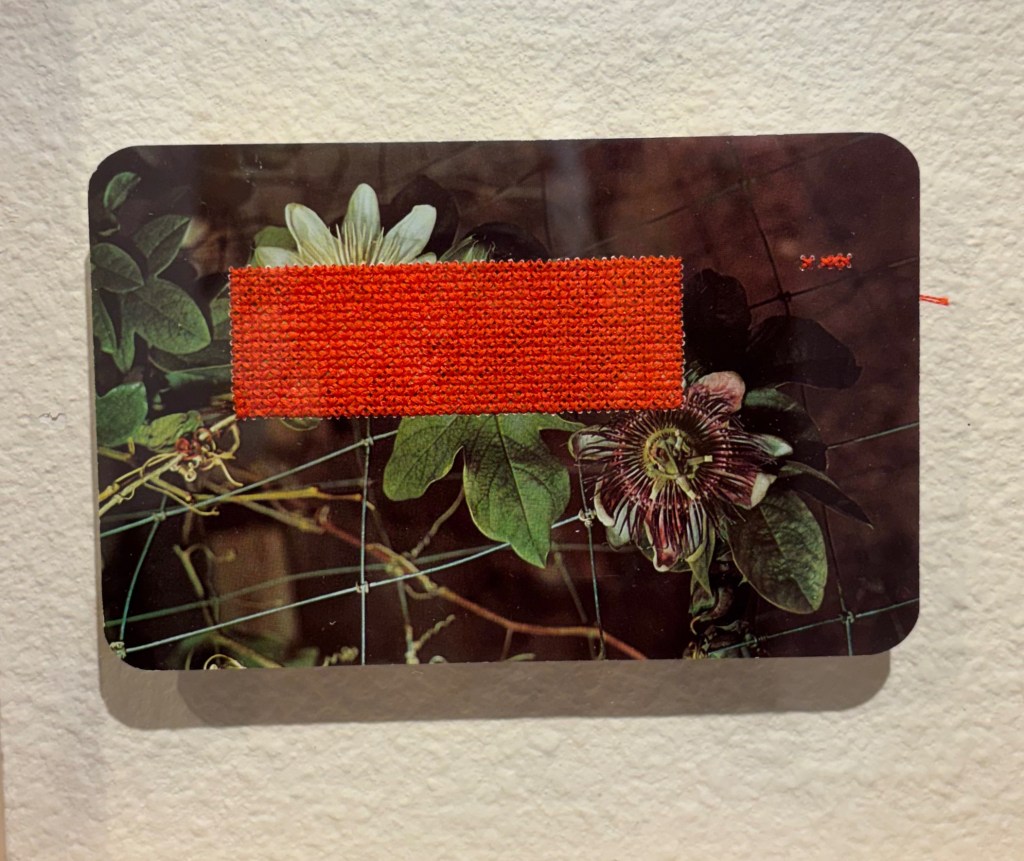
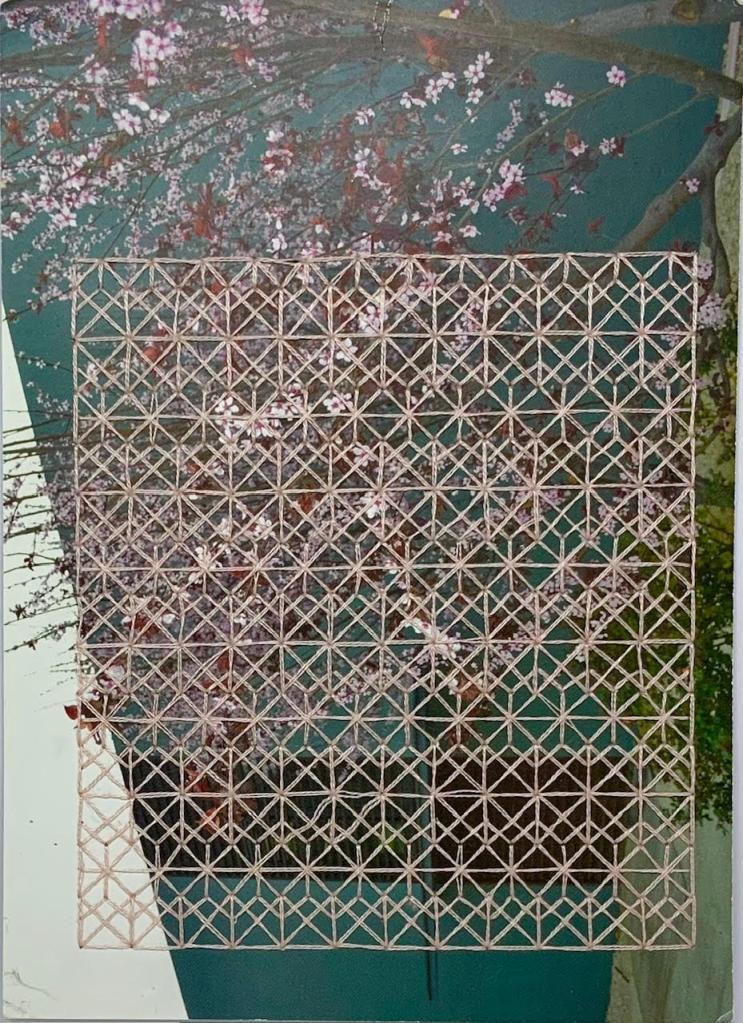
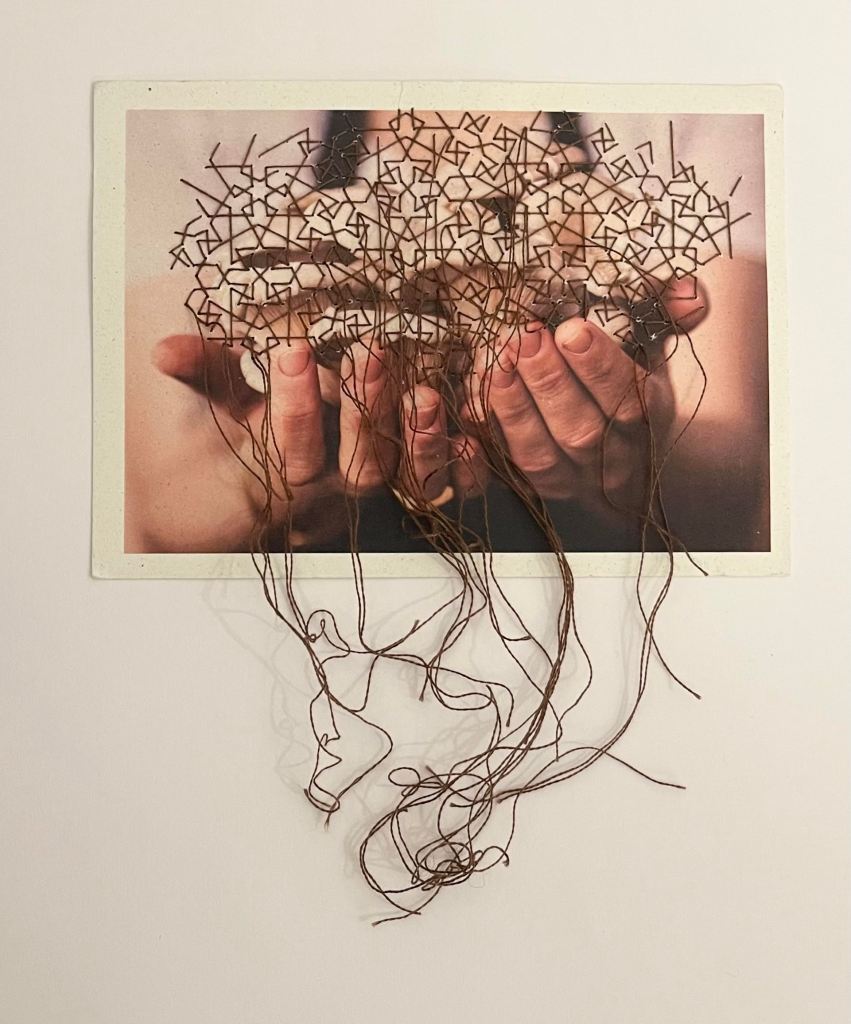
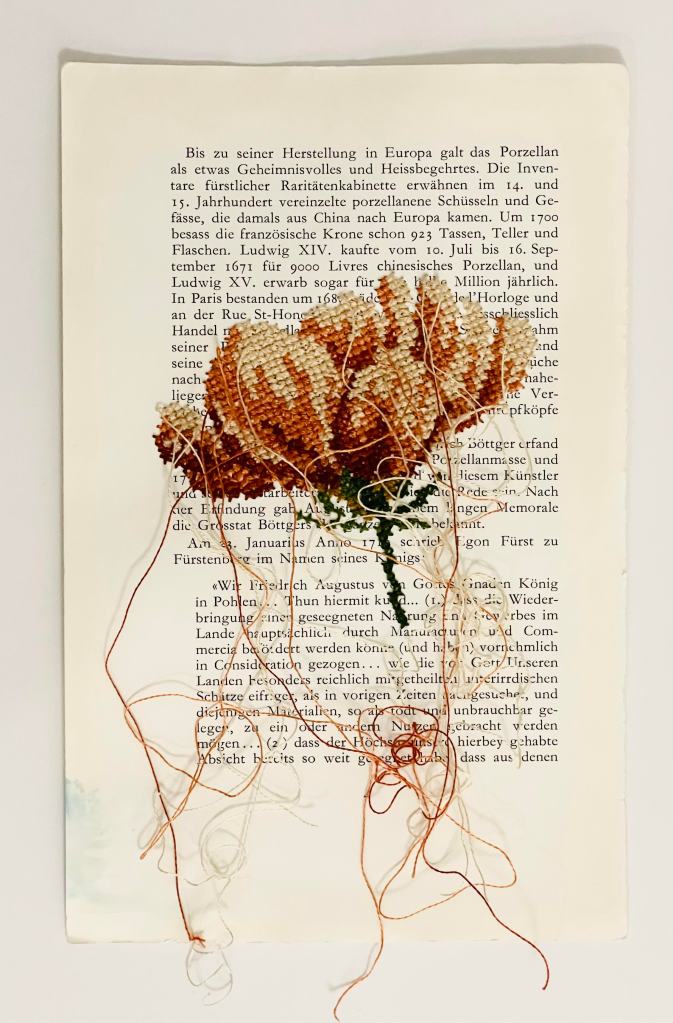
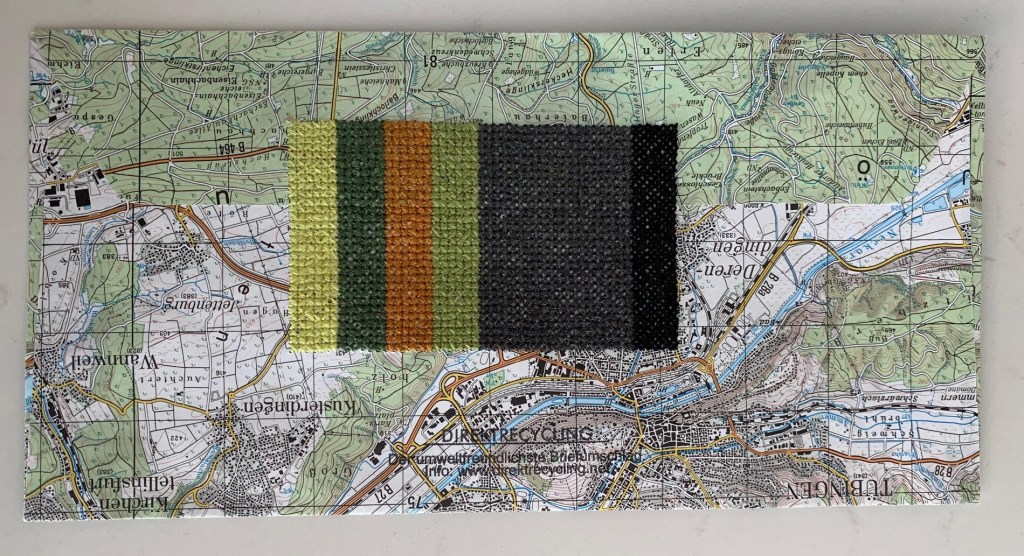
Textiles, Yarn and Thread as Universal Language
Aljoya Thornton Place. 450 NE 100th St., Seattle (January 19 – March 17, 2026)
The Lakeshore. 11448 Rainier Avenue South, Seattle (May 30 – September 12, 2026)
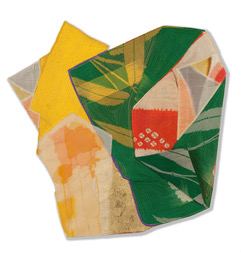
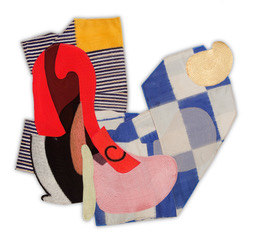
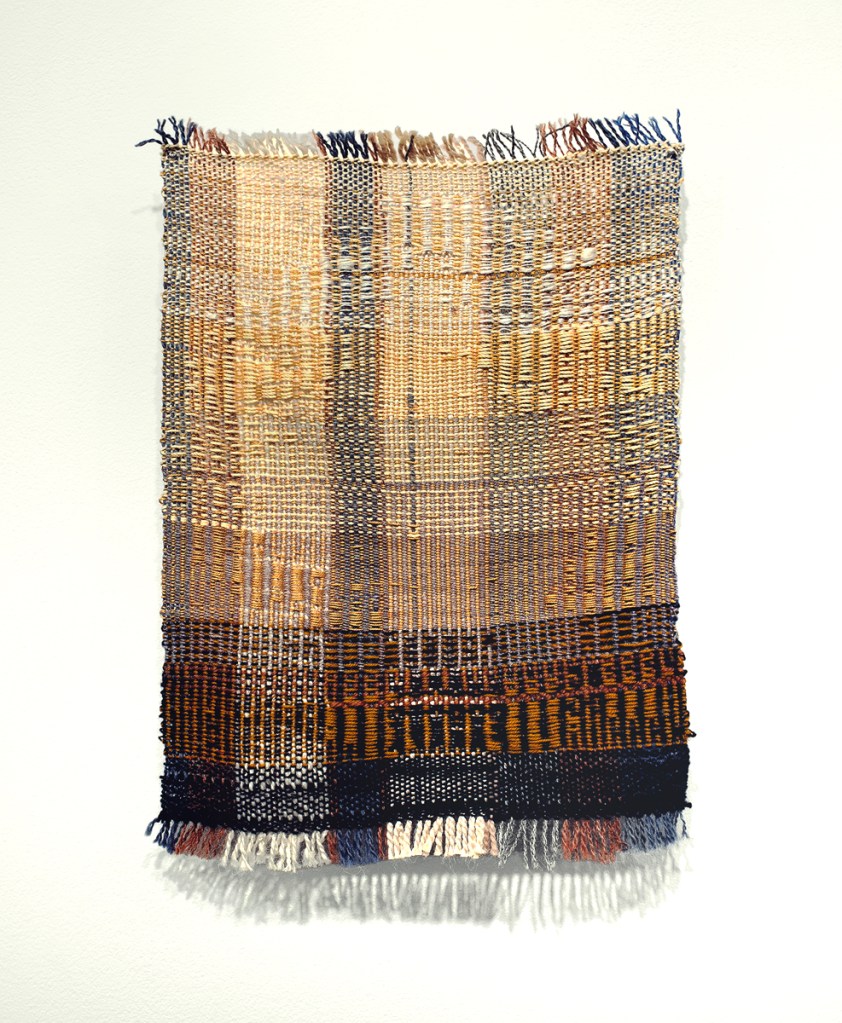
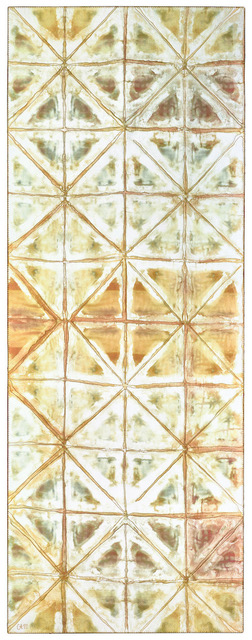
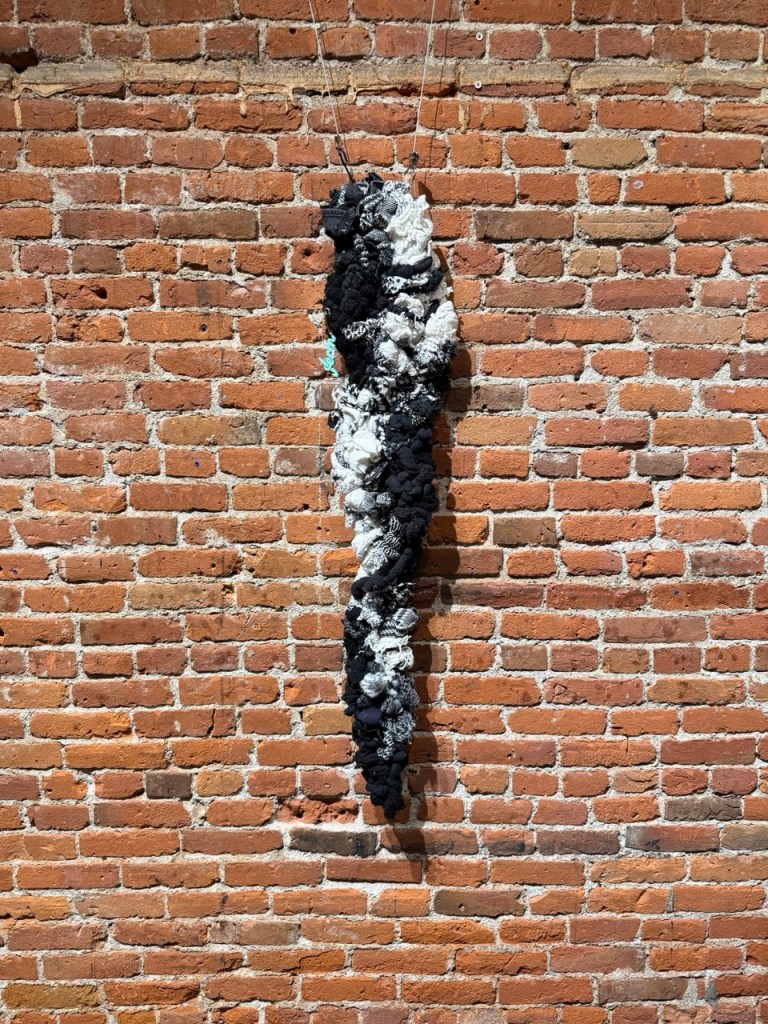
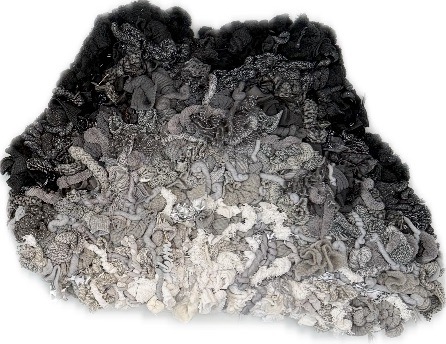
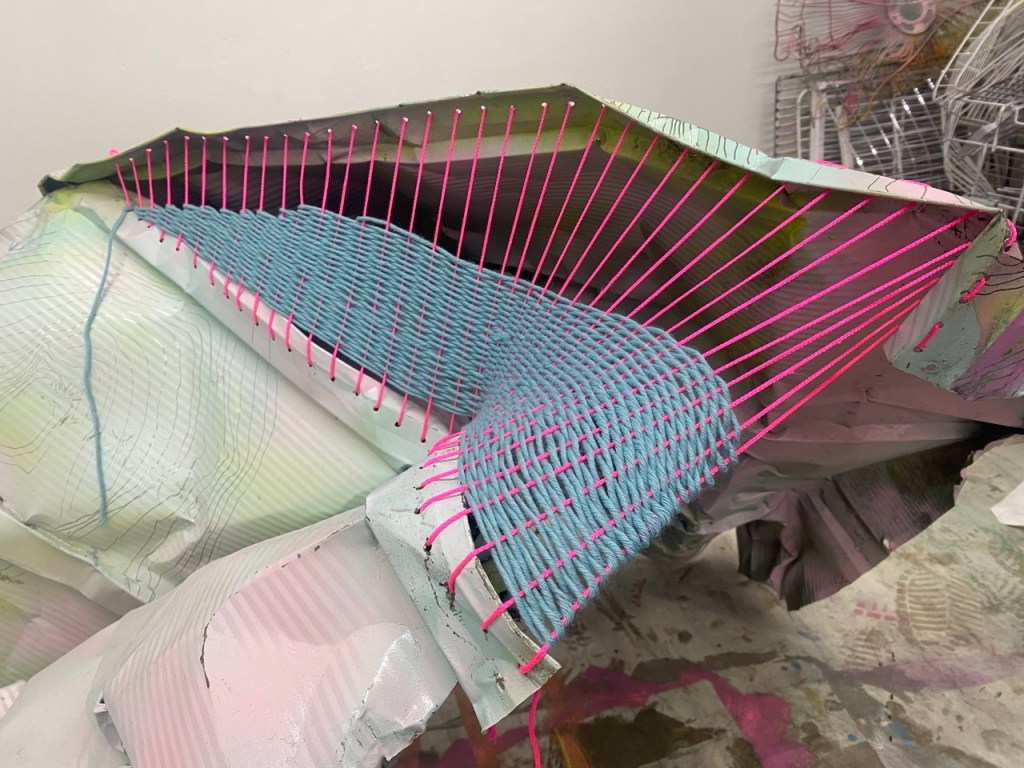
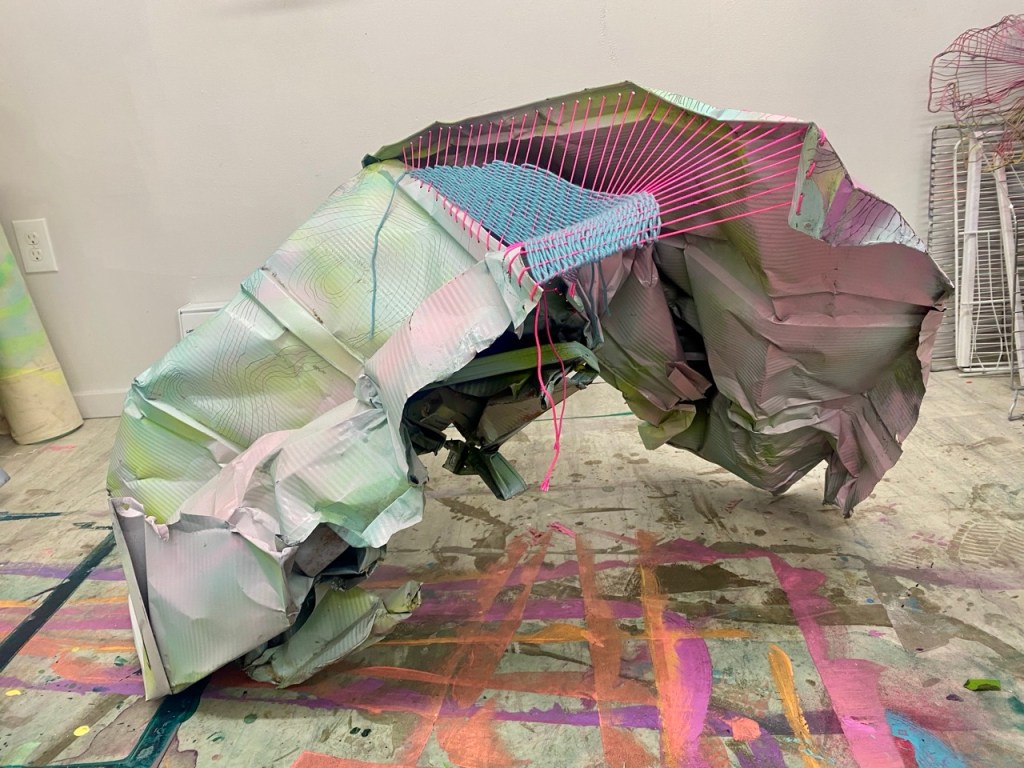
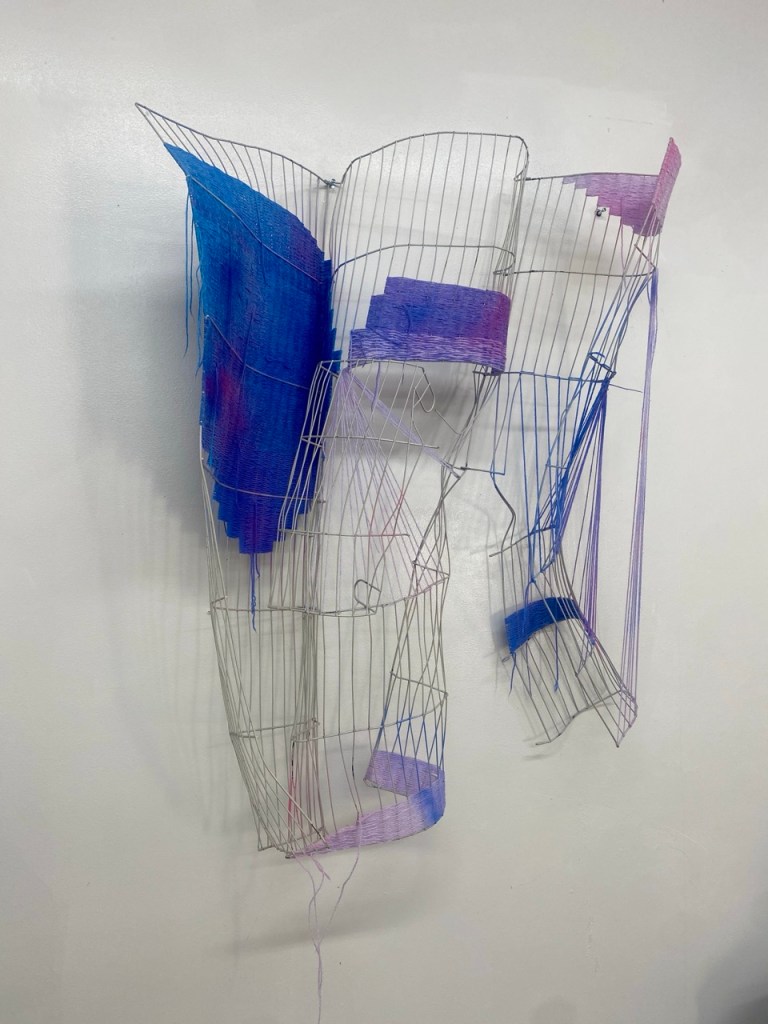
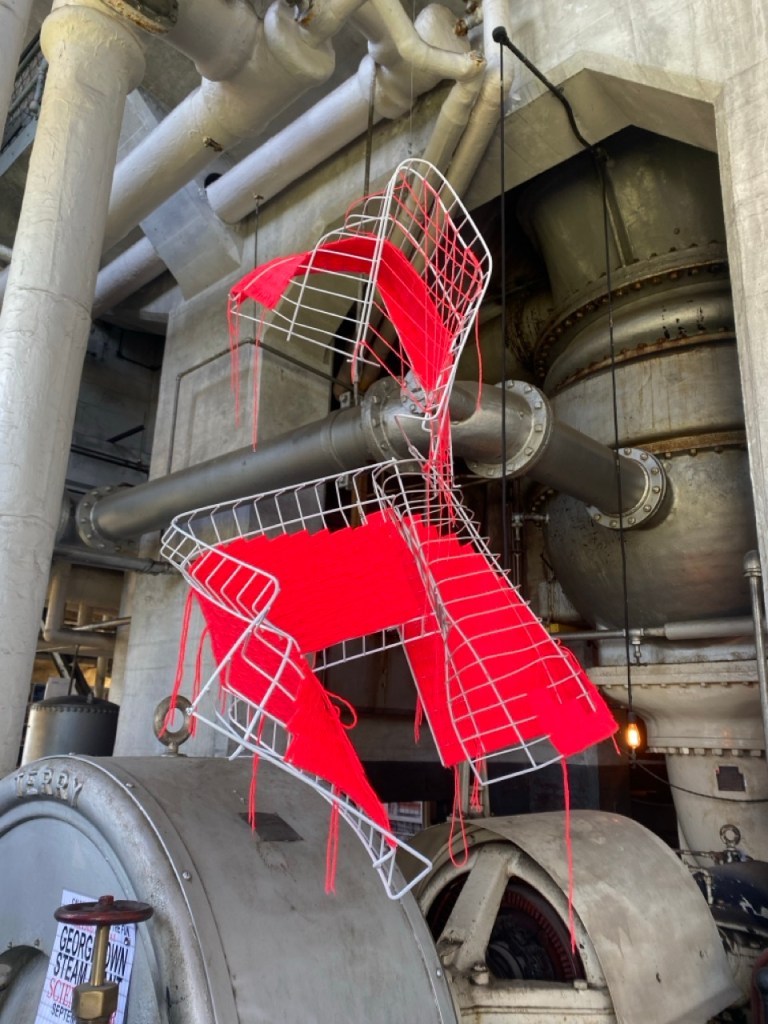
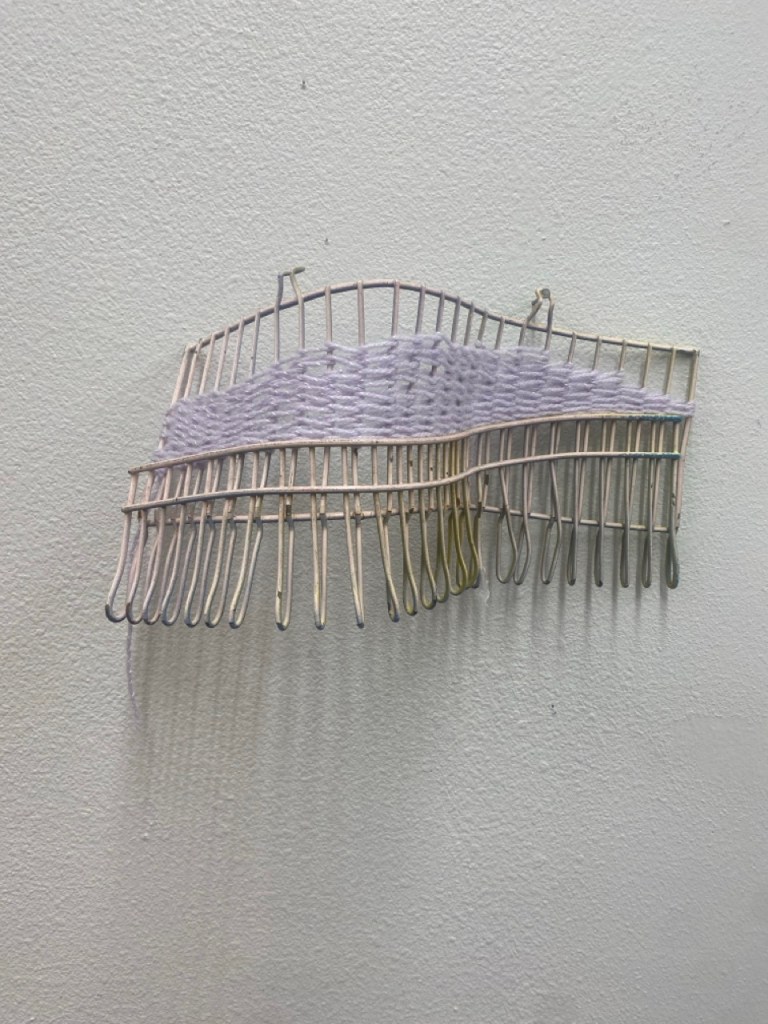
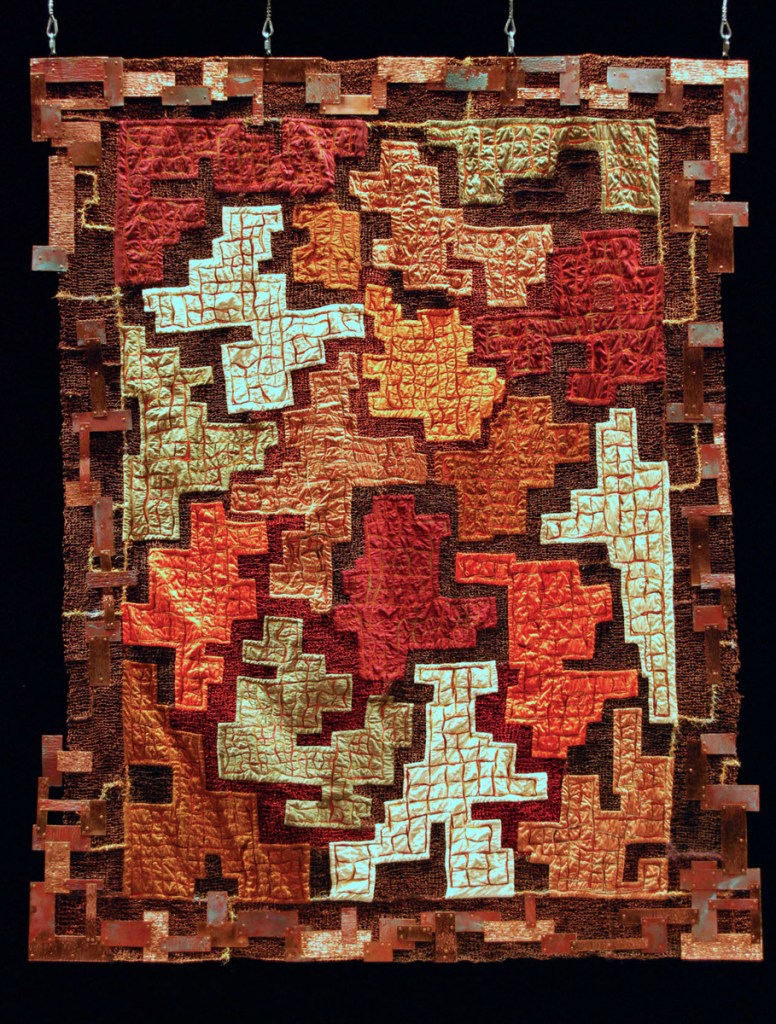
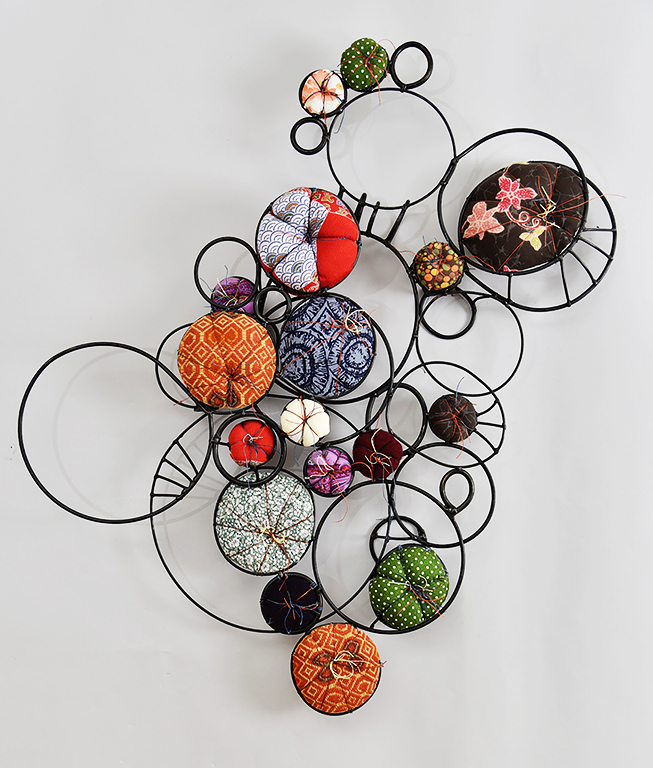
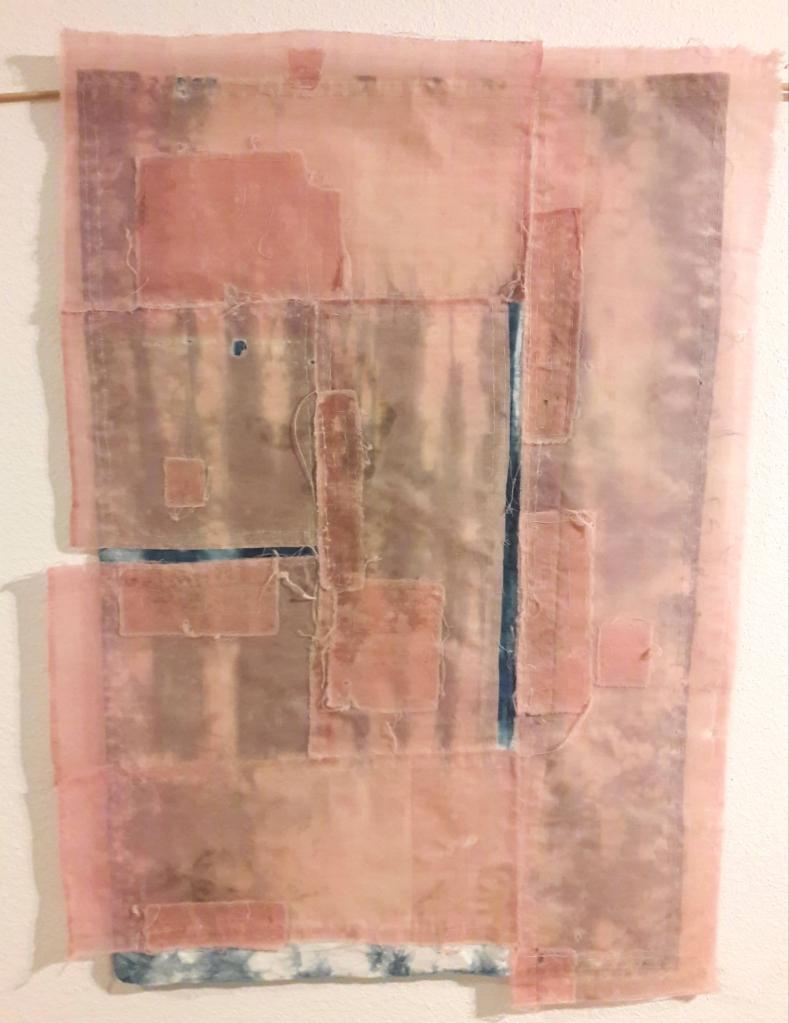
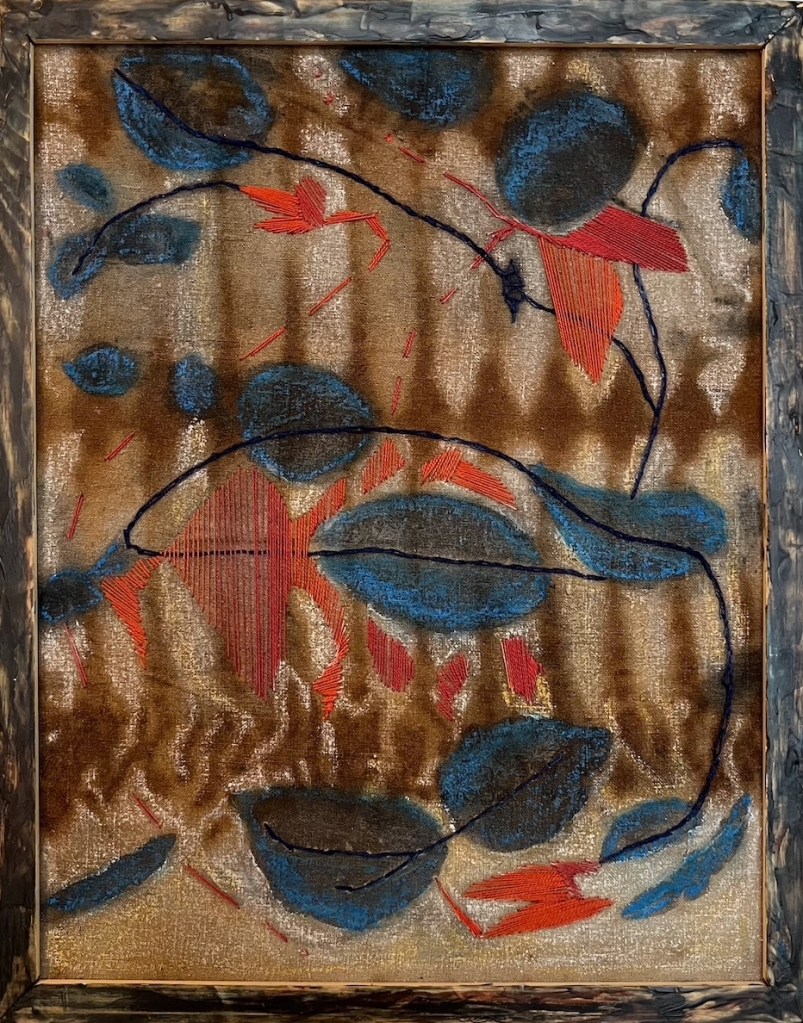
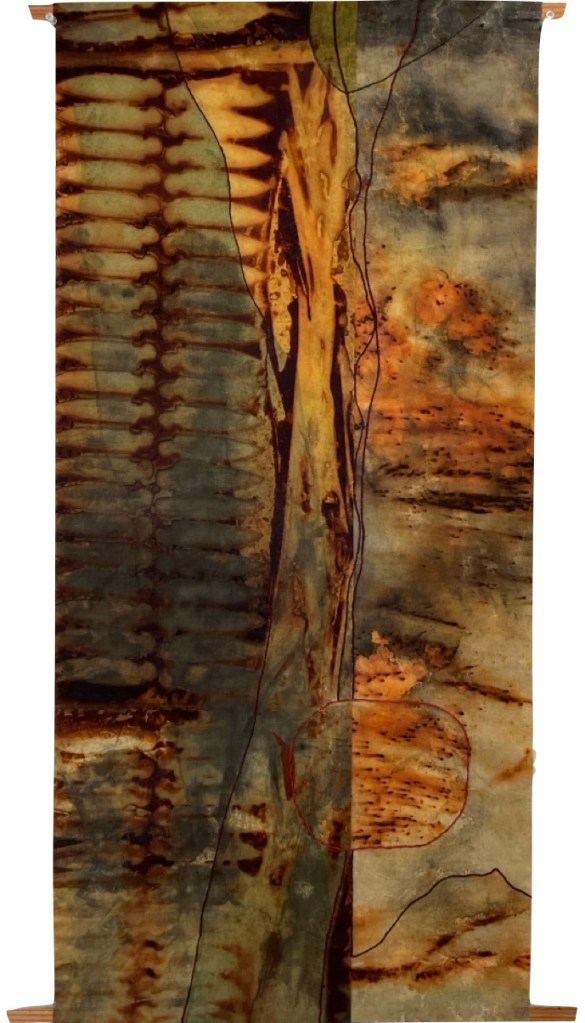
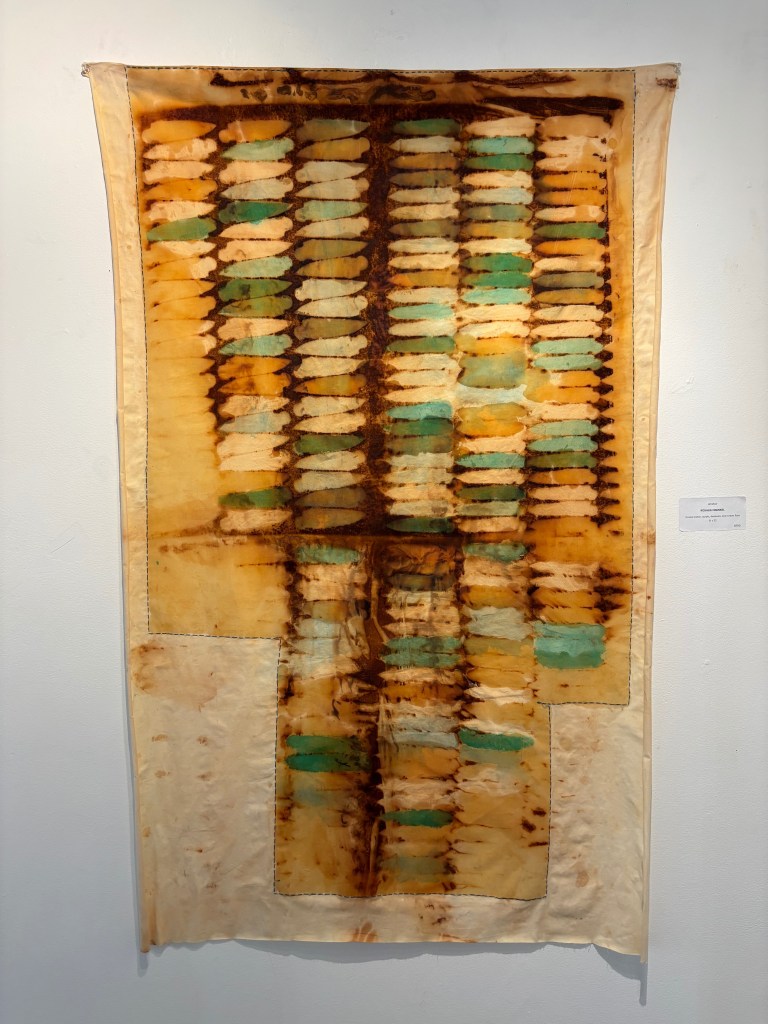
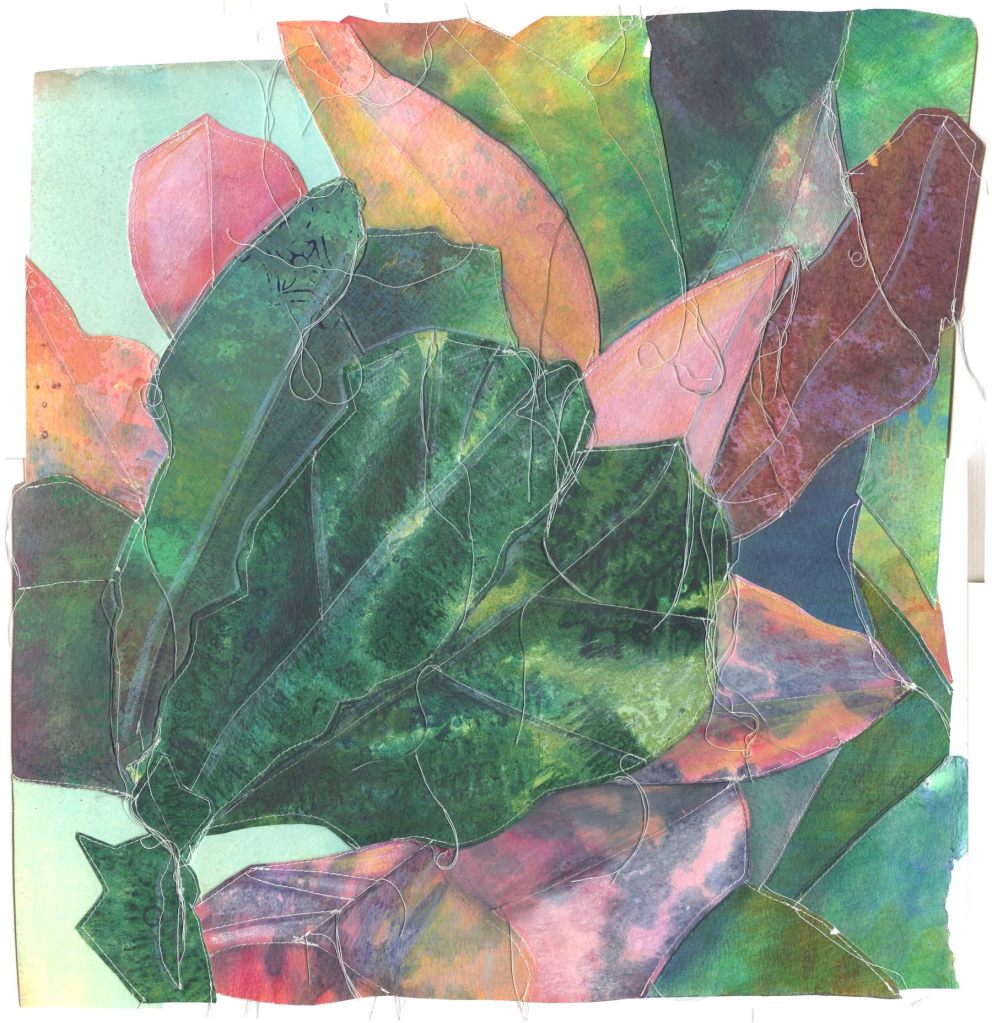
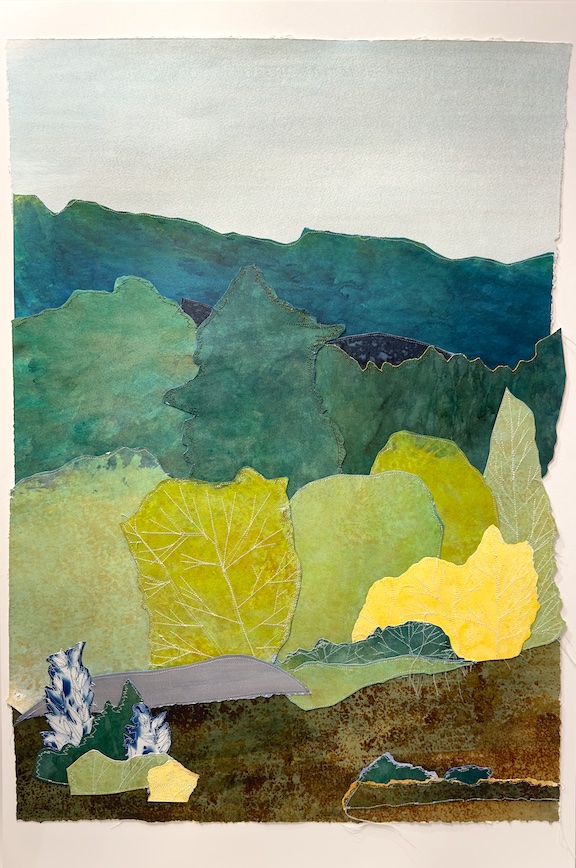
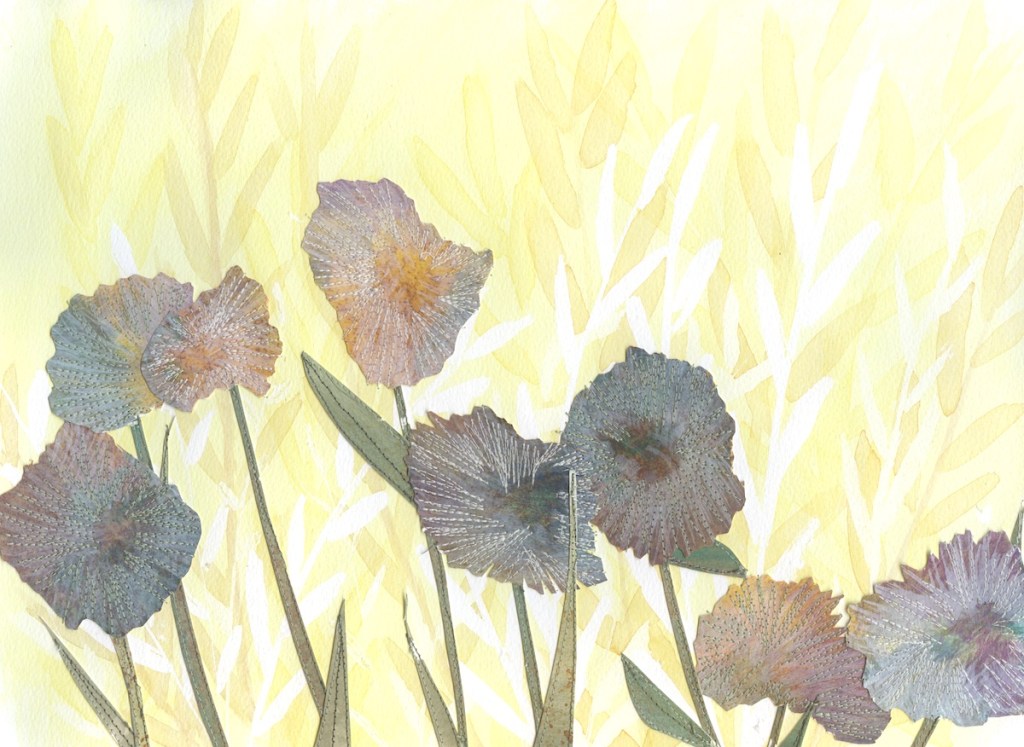
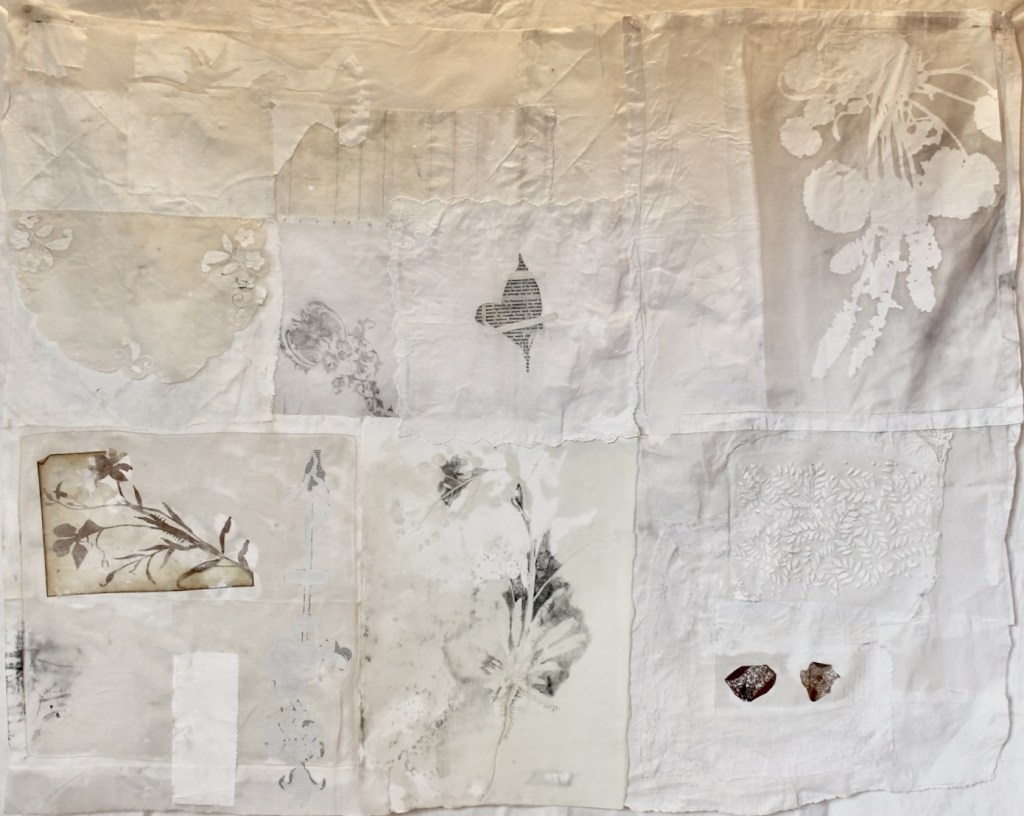
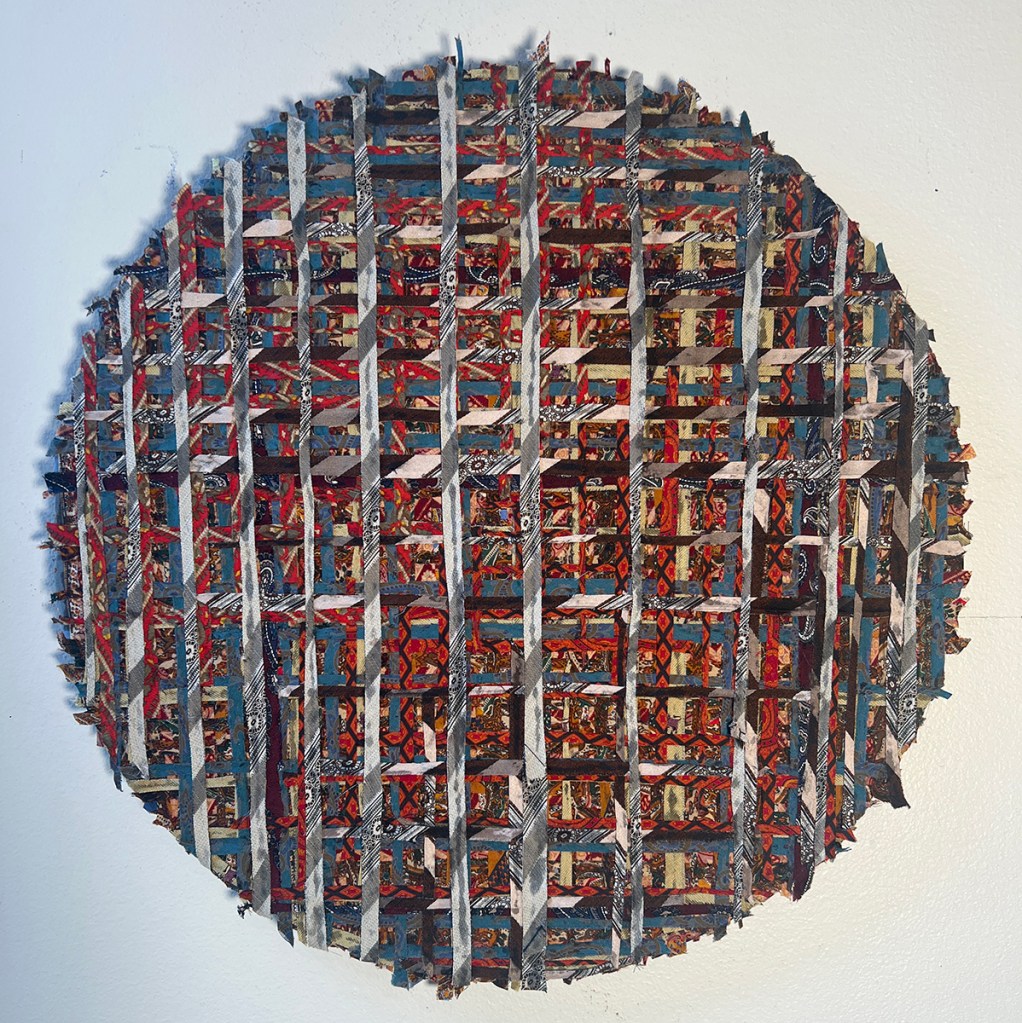
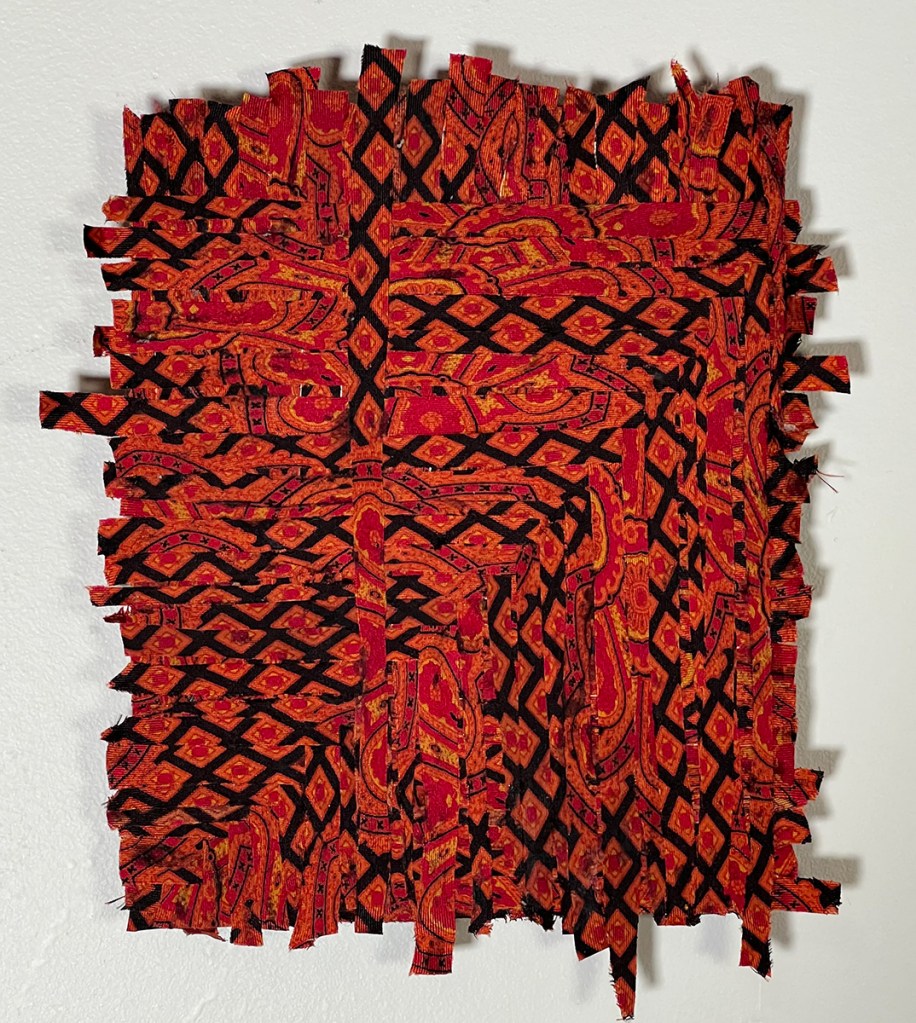
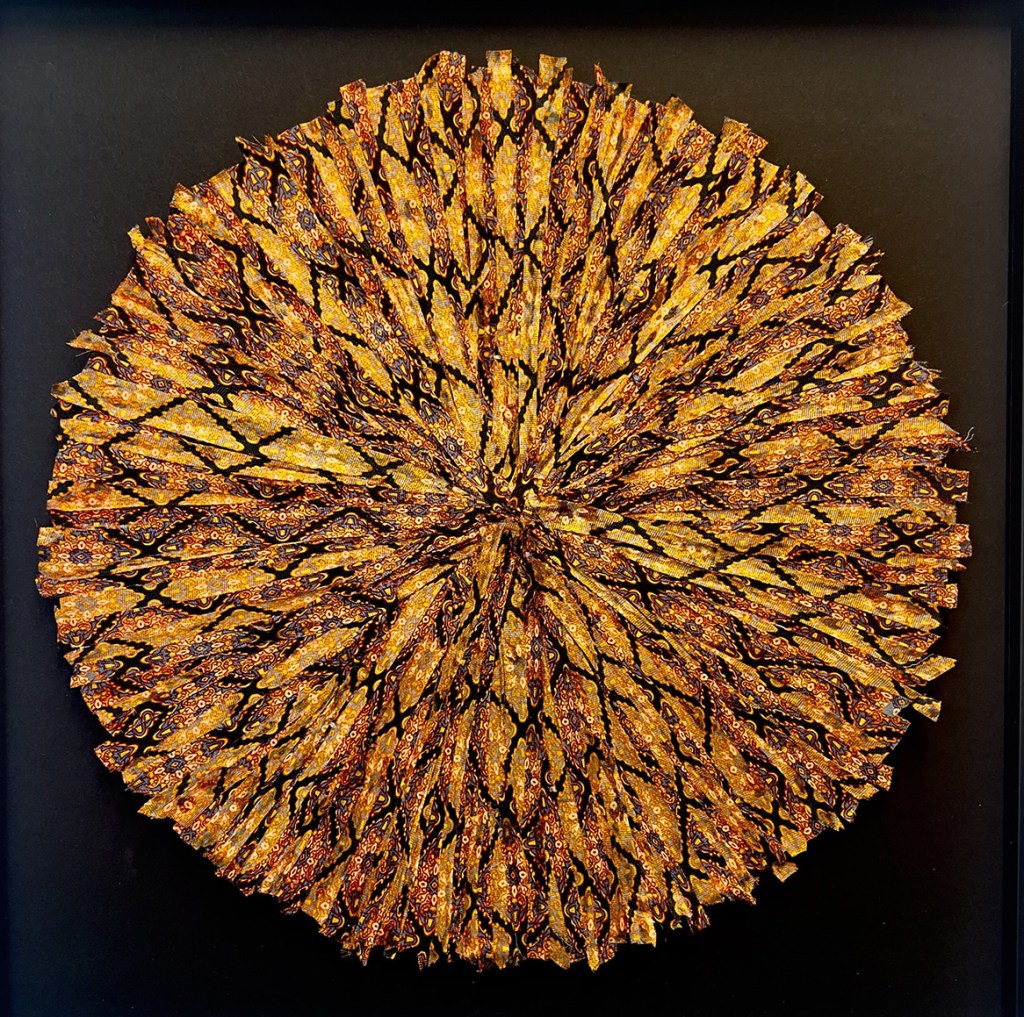
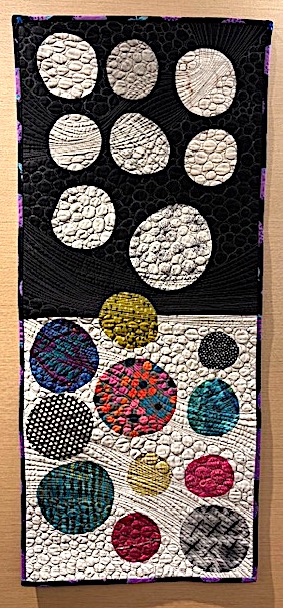
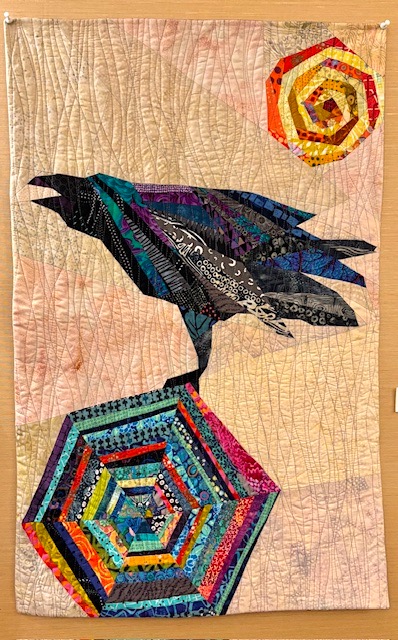
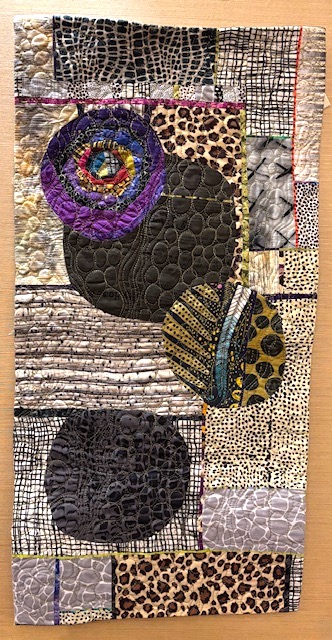
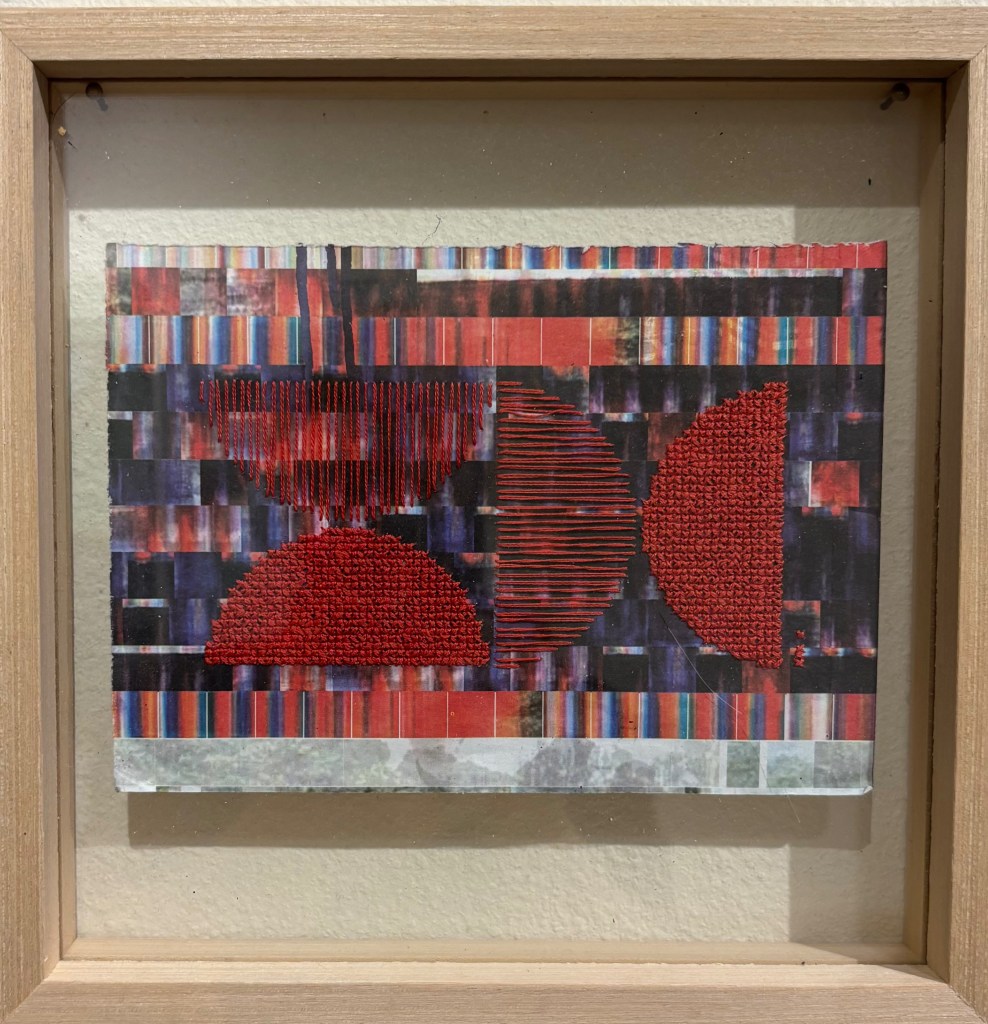
The use of thread is universal, historical, and continual. We are all touched by threads, literally and figuratively, from the moment we are born and wrapped in a blanket until we are buried in fabric or die wearing it.
Sheila Hicks is my inspiration for this exhibit. She has been working with threads and fibers her entire life, and has elevated textile-based works (along with others, many Bauhaus affiliated) to high art. Educated at Yale where she studied under Josef Albers, she met his weaving artist wife, Anni Albers, and her eyes widened, especially regarding form. Her career exploded and she has never looked back. She currently has a Solo Exhibit in Japan and has shown with countless galleries and museums. She lives in France, is 95 years of age, and continues her textile-based work as we speak.
Her aim was to find and use a material that could cross cultural, racial and geographical divisions. She found it in thread, and calls it a “universal language, channel, system . . . way.” Her threads on a loom are in tension; off the loom they become liberated which takes the plane into space and makes sculpture. Her use of color unifies the work further, and then, through form and scale, she makes work that is immense and utterly significant.
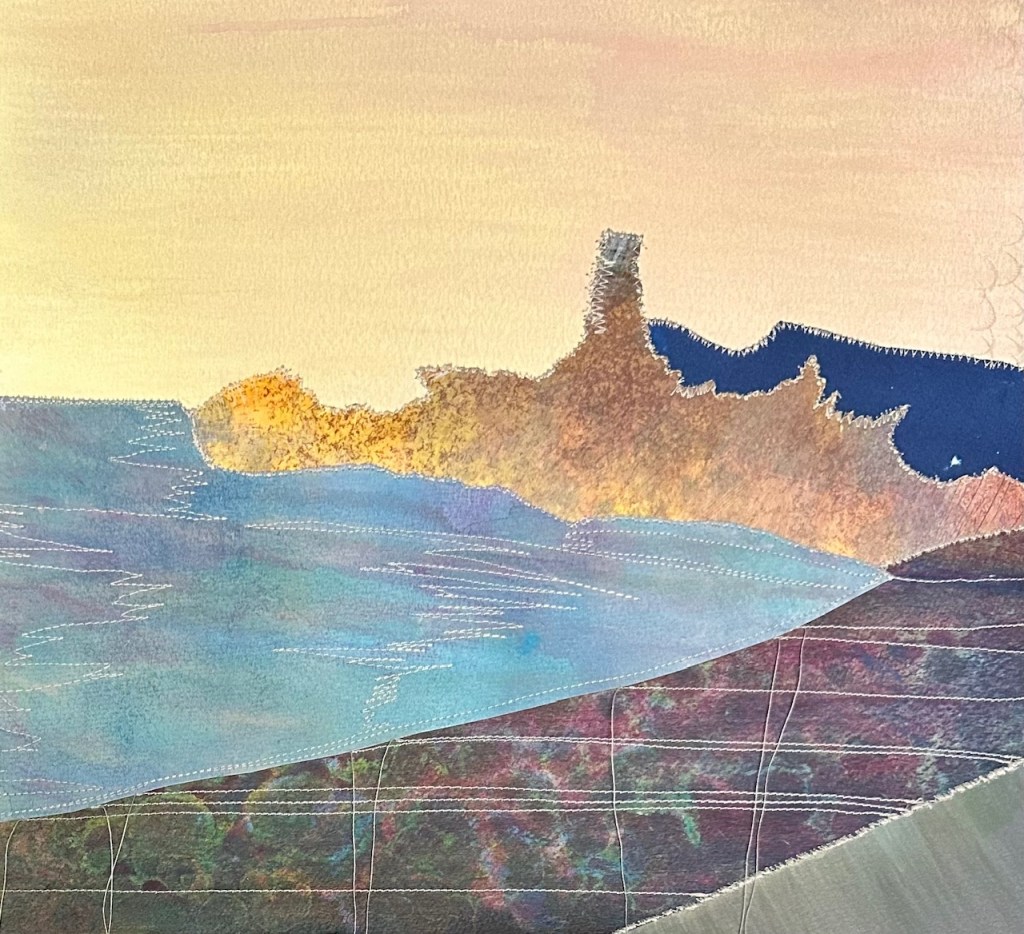
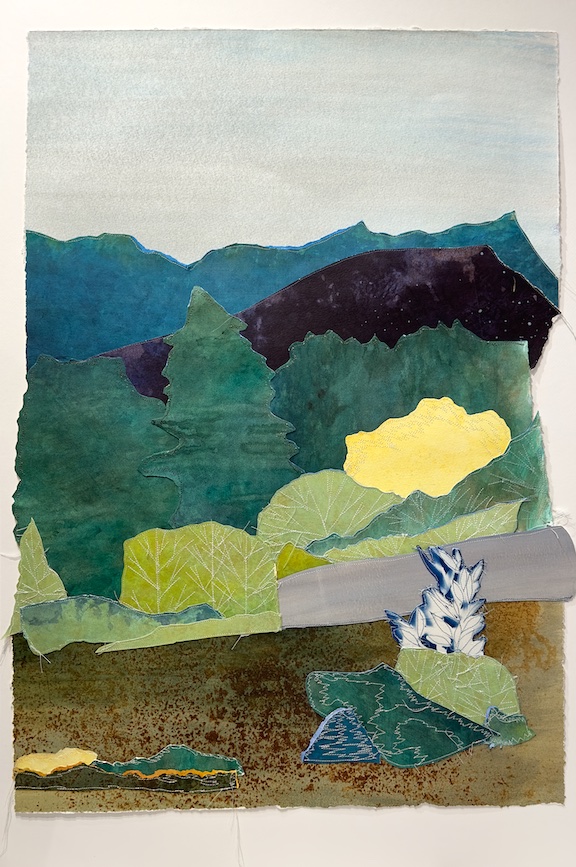
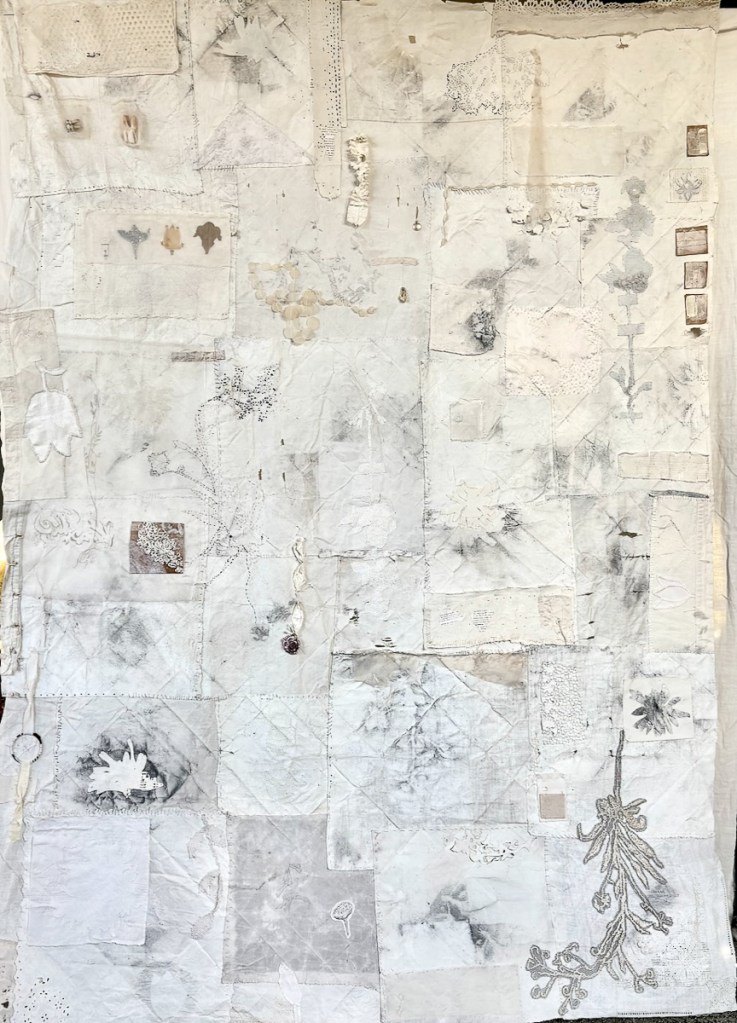
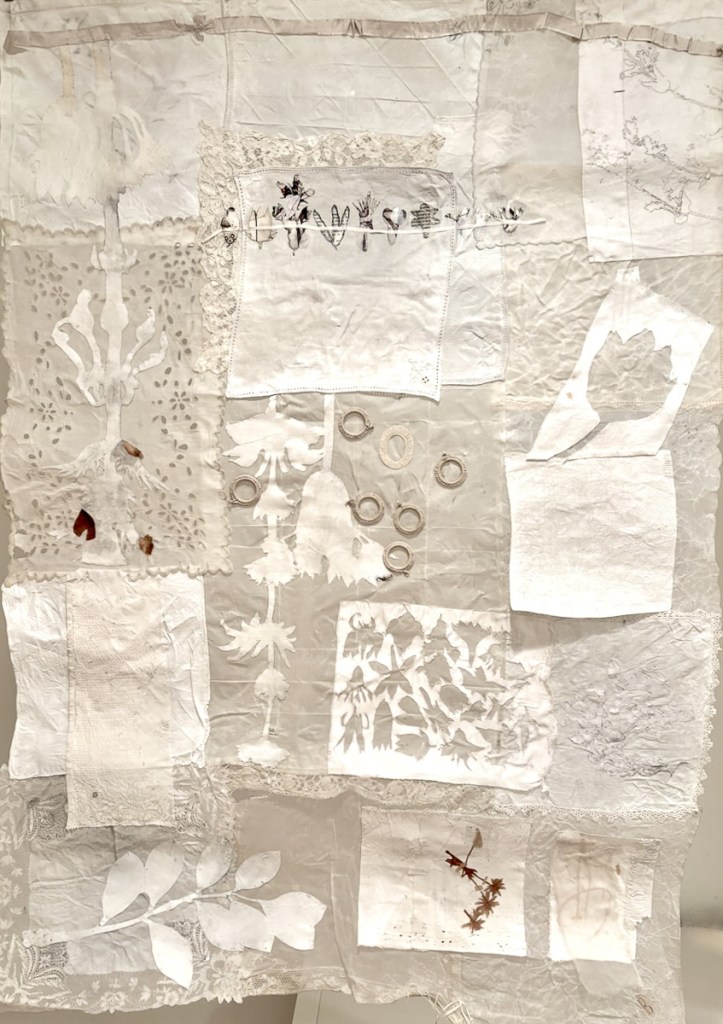
I have chosen the pieces for this show because they continue this universal language. Each of these artists uses thread, yarn, fabric and a variety of textiles in interesting and meaningful ways. Whether they are trying to or not, they are following in the footsteps of giants like Anni Albers and Sheila Hicks.
-Stephanie Hargrave, Artist / Curator
ARTIST TALK BY ALLYCE WOOD MARCH 7, 1PM
Exhibiting Aljoya Artist Allyce Wood lives and works in Seattle. Through the use of digital and handmade processes, Wood makes installations, works on paper, and textiles with a focus on digital jacquard tapestries. To her, the loom acts as a mediator between traditional and computerized technologies, offering a unique way to combine online and offline experiences into images in cotton and wool. Come learn more about her artwork, inspiration and creative process.
Click images below to see in slide show format with artist names and titles
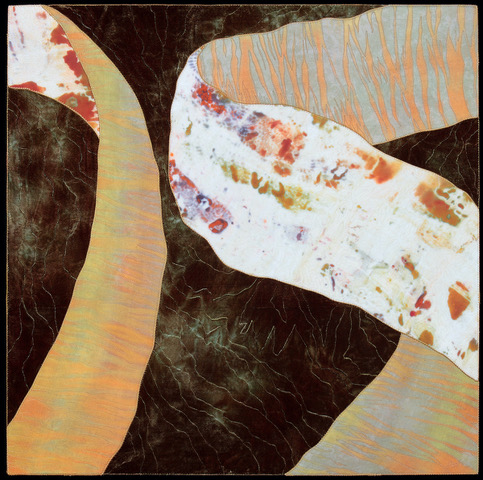
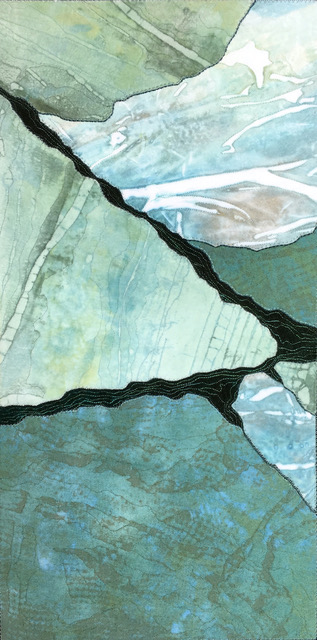
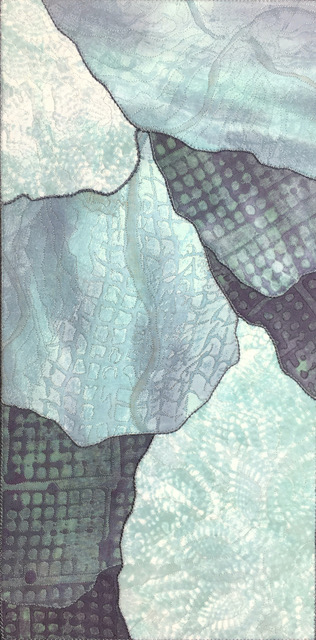
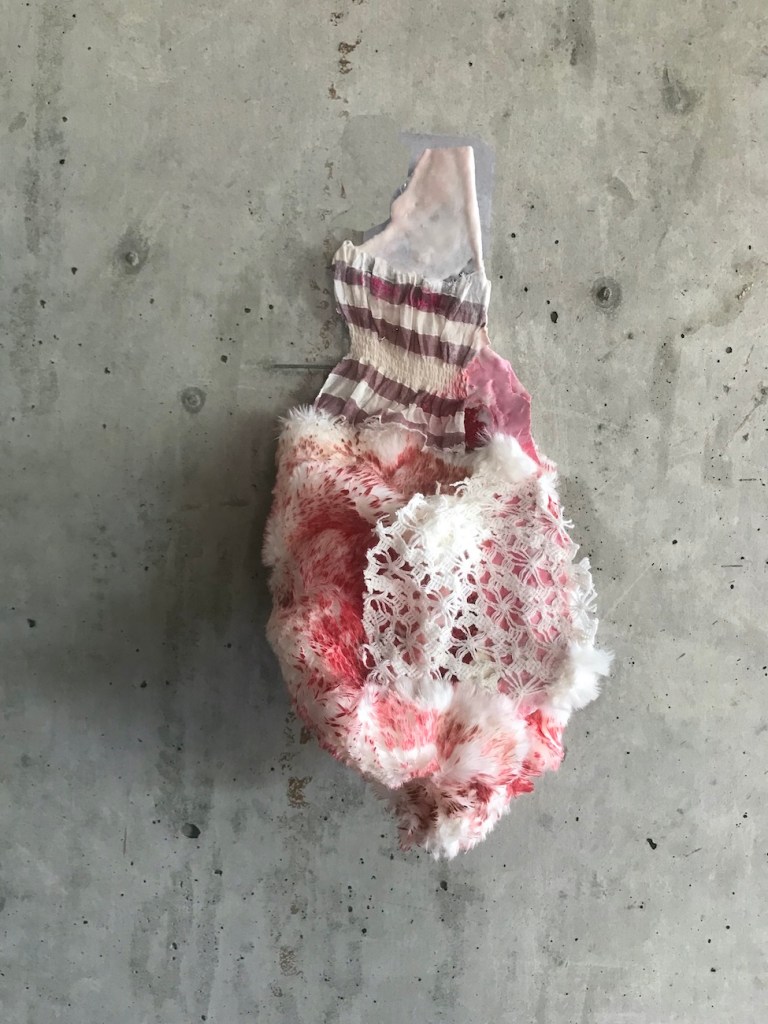
PARTICIPATING ARTISTS (CLICK NAMES FOR WEBSITES):

